
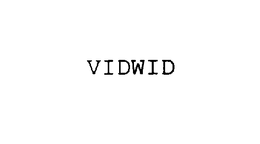
USPTO serial 75950083
VIDWID
Reviewed by CopyMark Law Group
- Filing date
- Status date
- Registration date
- —
- Examiner
- CROSS, TRACY L
- Law office
- FILE REPOSITORY (FRANCONIA)
What this means
These status codes mean the trademark application is abandoned and no longer pending. Common reasons include missing an Office Action response (600), filing without a valid basis (602), express abandonment by the applicant (604), or failure to respond to an examiner's inquiry (618). Revival may be possible in limited circumstances. If abandonment was unintentional, consult counsel about a petition to revive. Otherwise file a new application if protection is still needed.
Need help with VIDWID?
If you own this trademark, we can monitor new filings and help with USPTO deadlines. If you do not, we can file a new U.S. application.
Owner
Sherman Oaks, CA
Attorney of record
The USPTO lists this attorney as the applicant's representative for correspondence on this application.
Tiffany de Lisio
1734 P ST NW # 4WASHINGTON, DC 20036UNITED STATESGoods and services
| Class | Description | Status | First use |
|---|---|---|---|
| 009 | computer hardware, namely, devices having capacity to communicate via electronic, digital, microwave, broadband and various radio frequencies using voice, video, data, sensory, infrared, ultraviolet, laser and audio transmissions and are programmable, namely, electronic personal organizers, mobile telephones, broadband pagers, radio pagers, digital pagers, computers, portable computers, palm-sized computers, smart computers having context awareness, user awareness and location awareness capabilities; wearable computers, hands-free computers; computer chips; electronic mobile communication devices, namely, electronic personal organizers, mobile telephones, broadband pagers, radio pagers, digital pagers, computers, portable computers, palm-sized computers, smart computers having context awareness, user awareness and location awareness capabilities, sold in the form of natural and synthetic fibers, fabrics, cables and wiring, signaling pens, pins, badges, wrist bands, belts, rings and collars not made of precious metals, watches, touch screens, electronic viewing tablets, barometers, electronic sensors and electronic monitors, electronic ionizers, electronic air fresheners, electronic fans, clocks, and remote controllers; personal digital assistants, antennas, smart phones and cell phones with ear pieces, head mounted displays, monitors, video cassette players, streaming video players, monitors, DVDs, audio players, cameras, televisions, high definition televisions, radios and camcorders used for accessing and retrieving information from a global communications and computer networks; mobile computers; computer software, namely speech recognition, command and control programs, game applications, operating system programs, programs for data synchronization, monitoring, maintenance and management of communications interfaces, and publication programs for accessing and retrieving information from global computer and communications networks | ACTIVE | — |
Related trademarks
CopyMark links this record to cited §2(d) serials, the owner's other marks, Nice classes, similar mark names, and recently changed USPTO applications.
Prosecution history
| Date | Code | Event | What it means |
|---|---|---|---|
| Feb 9, 2003 | ABN2 | ABANDONMENT - FAILURE TO RESPOND OR LATE RESPONSE | The trademark application was abandoned because a required response or document was not filed by the deadline — usually a missed Office Action response. The application is dead unless a petition to revive is granted within a limited time. |
| Jun 11, 2002 | CNSI | INQUIRY AS TO SUSPENSION MAILED | — |
| Jun 22, 2001 | CNSL | LETTER OF SUSPENSION MAILED | — |
| Mar 20, 2001 | CRFA | CORRESPONDENCE RECEIVED IN LAW OFFICE | — |
| Sep 20, 2000 | CNRT | NON-FINAL ACTION MAILED | A non-final Office Action means the USPTO examining attorney has raised at least one issue with your trademark application but has not made a final decision. You usually have three months to respond with arguments, amendments, or evidence. Missing the deadline can abandon the application. |
| Sep 7, 2000 | DOCK | ASSIGNED TO EXAMINER | — |
| Aug 28, 2000 | DOCK | ASSIGNED TO EXAMINER | — |