
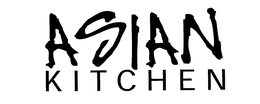
USPTO serial 76154735
ASIAN KITCHEN
Reviewed by CopyMark Law Group
- Filing date
- Status date
- Registration date
- —
- Examiner
- CARTY, GEORGIA
- Law office
- FILE REPOSITORY (FRANCONIA)
What this means
These status codes mean the trademark application is abandoned and no longer pending. Common reasons include missing an Office Action response (600), filing without a valid basis (602), express abandonment by the applicant (604), or failure to respond to an examiner's inquiry (618). Revival may be possible in limited circumstances. If abandonment was unintentional, consult counsel about a petition to revive. Otherwise file a new application if protection is still needed.
Need help with ASIAN KITCHEN?
If you own this trademark, we can monitor new filings and help with USPTO deadlines. If you do not, we can file a new U.S. application.
Owner
Attorney of record
The USPTO lists this attorney as the applicant's representative for correspondence on this application.
BRIAN BEVERLY
BRIAN BEVERLY BEESON SKINNER BEVERLY, LLPONE KAISER PLZ STE 2360OAKLAND, CA 94612UNITED STATESGoods and services
| Class | Description | Status | First use |
|---|---|---|---|
| 029 | processed meat, fish and seafood, processed vegetables, fruit and vegetable preserves and dried fruits; bamboo shoots, bean curd, coconut milk, processed ginko nuts, dried mushrooms, edible oils and fats; processed, flaked and prepared coconut; seasoned cooking oils; seasoned vegetables; cooked mushrooms; processed edible seeds; processed nuts; cooked, pickled and dried fruits and vegetables; soy-based beverages used as milk substitutes; tofu; processed bean sprouts; processed water chestnuts; soups; soup pre-packaged in serving-size cups; soup mixes, soup mixes containing noodles; packaged entrees consisting primarily of meat, fish, poultry or vegetables; dried shrimp; shrimp paste | ACTIVE | — |
| 030 | staple foods, namely, cooked, pickled and dried chili peppers; mustards, spices, sauces excluding apple and cranberry sauces, vinegar, loose teas, tea bags, biscuits, crackers, cookies; flavored noodles and tempura batter mix; oriental noodles; noodles with oriental sauce; packaged noodles; dried herbs and spices; spice powders; seasoning blends; soy sauces; dried ginger; crystallized ginger; seasoning pastes; cooking sauces, namely, barbecue, oyster, hoisin, kung pao, stir fry, lemon, fish, soybean, black bean, peanut, and chili sauces; condiments, namely, plum sauce, mustards, sweet and sour sauce, duck sauce, and salad dressings; rice and rice blends; tea; packaged entrees consisting primarily of pasta or rice; salads consisting primarily of pasta or rice | ACTIVE | — |
Related trademarks
CopyMark links this record to cited §2(d) serials, the owner's other marks, Nice classes, similar mark names, and recently changed USPTO applications.
Prosecution history
| Date | Code | Event | What it means |
|---|---|---|---|
| May 9, 2003 | ABN2 | ABANDONMENT - FAILURE TO RESPOND OR LATE RESPONSE | The trademark application was abandoned because a required response or document was not filed by the deadline — usually a missed Office Action response. The application is dead unless a petition to revive is granted within a limited time. |
| Feb 10, 2003 | TCCA | TEAS CHANGE OF CORRESPONDENCE RECEIVED | — |
| Aug 26, 2002 | CNFR | FINAL REFUSAL MAILED | A final Office Action (final refusal) means the examining attorney is maintaining at least one refusal and your options are narrower. You can file a response addressing the refusal, appeal to the Trademark Trial and Appeal Board, or let the application abandon. |
| Jun 20, 2002 | CRFA | CORRESPONDENCE RECEIVED IN LAW OFFICE | — |
| Jun 20, 2002 | PAPER RECEIVED | — | |
| Apr 26, 2002 | CRFA | CORRESPONDENCE RECEIVED IN LAW OFFICE | — |
| Apr 26, 2002 | PAPER RECEIVED | — | |
| Dec 19, 2001 | CNRT | NON-FINAL ACTION MAILED | A non-final Office Action means the USPTO examining attorney has raised at least one issue with your trademark application but has not made a final decision. You usually have three months to respond with arguments, amendments, or evidence. Missing the deadline can abandon the application. |
| Aug 20, 2001 | CRFA | CORRESPONDENCE RECEIVED IN LAW OFFICE | — |
| Mar 28, 2001 | CNRT | NON-FINAL ACTION MAILED | A non-final Office Action means the USPTO examining attorney has raised at least one issue with your trademark application but has not made a final decision. You usually have three months to respond with arguments, amendments, or evidence. Missing the deadline can abandon the application. |
| Mar 19, 2001 | DOCK | ASSIGNED TO EXAMINER | — |