
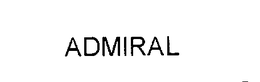
USPTO serial 76155365
ADMIRAL
Reviewed by CopyMark Law Group
- Filing date
- Status date
- Registration date
- —
- Examiner
- POWERS, ALEXANDER L
- Law office
- TMEG LAW OFFICE 105 - EXAMINING ATTORNEY ASSIGNED
What this means
These status codes mean the trademark application is abandoned and no longer pending. Common reasons include missing an Office Action response (600), filing without a valid basis (602), express abandonment by the applicant (604), or failure to respond to an examiner's inquiry (618). Revival may be possible in limited circumstances. If abandonment was unintentional, consult counsel about a petition to revive. Otherwise file a new application if protection is still needed.
Need help with ADMIRAL?
If you own this trademark, we can monitor new filings and help with USPTO deadlines. If you do not, we can file a new U.S. application.
Owner
74172 Neckarsulm, DE
Attorney of record
The USPTO lists this attorney as the applicant's representative for correspondence on this application.
Jonathan P Osha
JONATHAN P OSHA OSHA & MAY LLP1221 MCKINNEY ST STE 2800HOUSTON, TX 77010UNITED STATESGoods and services
| Class | Description | Status | First use |
|---|---|---|---|
| 029 | Cooked and preserved meat, poultry and fish; prepared seafood, namely, mollusk and crustacean; eggs; pickles; roast beef; meat extract; fish extract; imitated food products made of fishes; meat, fish, vegetables and fruit preserves; meat, fish, fruit and vegetable jellies; marinated fish, namely, rollmops, Bismarck-style herrings, pickled fillets of herring, filets of herring and parts of herrings in different sauces and gravies, namely herring in tomato sauce, herring in cream sauce, tureen of herring, pot of herring, herrings fillets in earthenware pots, namely, fillets of herring with herbs, fillets of matjes, and fillets of herring prepared like matjes; fried fish, namely, fried herrings, fried fillets of herring, and fried rollmops; cooked fish, namely herring in jelly and rollmops in jelly; crabs in jelly; strips of smoked haddock fillets in jelly; smoked fish, namely, mackerels, eel, bloaters, salmon, and trouts; slices of pollack; cutlets of pollack; caviar; German caviar; processed fillets of anchovies; paste of anchovies; stew, namely, ragout; soups; fresh instant stew made of meat, fish, vegetables, potatoes and noodles; meat salads; herring salads; poultry salads; egg salad; vegetable salads, namely, party salads essentially consisting of white cabbage, cucumber, celery, carrots, pepper, corn, herbs and mayonnaise; carrot salad; celery salad; white cabbage and red cabbage salad; potato salads; and Russian egg and meat in jelly | ACTIVE | — |
| 030 | Processed cereal; mustard; vinegar; salad dressings; spices; mayonnaise and salad mayonnaise; salad-cream in the nature of a salad dressing; mayonnaise-like products, namely, salad cream and dressing; spice sauces; tomato ketchup; spice ketchup; horseradish for food purposes, namely, vegetable horseradish, table horseradish, and horseradish in mayonnaise; meat pies; poultry pies; goose liver pies; and noodle salads | ACTIVE | — |
| 031 | Raw vegetables | ACTIVE | — |
| 032 | Fruit juices; and vegetable juices as a beverage | ACTIVE | — |
Related trademarks
CopyMark links this record to cited §2(d) serials, the owner's other marks, Nice classes, similar mark names, and recently changed USPTO applications.
- Other trademarks owned by Lidl Stiftung & Co. KG
- Other trademarks in Class 029
- Other trademarks in Class 030
- Other trademarks in Class 031
- Other trademarks in Class 032
- Similar marks named ADMIRAL
- Prosecution event MAB2 explained
- Recently changed USPTO trademarks
- Recently filed trademarks
- Browse all trademark records
Prosecution history
| Date | Code | Event | What it means |
|---|---|---|---|
| Dec 1, 2004 | MAB2 | ABANDONMENT NOTICE MAILED - FAILURE TO RESPOND | The trademark application was abandoned because a required response or document was not filed by the deadline — usually a missed Office Action response. The application is dead unless a petition to revive is granted within a limited time. |
| Dec 1, 2004 | ABN2 | ABANDONMENT - FAILURE TO RESPOND OR LATE RESPONSE | The trademark application was abandoned because a required response or document was not filed by the deadline — usually a missed Office Action response. The application is dead unless a petition to revive is granted within a limited time. |
| Jun 3, 2004 | TCCA | TEAS CHANGE OF CORRESPONDENCE RECEIVED | — |
| May 5, 2004 | CNFR | FINAL REFUSAL MAILED | A final Office Action (final refusal) means the examining attorney is maintaining at least one refusal and your options are narrower. You can file a response addressing the refusal, appeal to the Trademark Trial and Appeal Board, or let the application abandon. |
| Dec 11, 2003 | CFIT | CASE FILE IN TICRS | — |
| Apr 24, 2003 | CNSL | LETTER OF SUSPENSION MAILED | — |
| Mar 24, 2003 | CRFA | CORRESPONDENCE RECEIVED IN LAW OFFICE | — |
| Mar 24, 2003 | PAPER RECEIVED | — | |
| Sep 19, 2002 | CNSI | INQUIRY AS TO SUSPENSION MAILED | — |
| Apr 5, 2002 | TCCA | TEAS CHANGE OF CORRESPONDENCE RECEIVED | — |
| Mar 5, 2002 | CNSL | LETTER OF SUSPENSION MAILED | — |
| Oct 29, 2001 | CRFA | CORRESPONDENCE RECEIVED IN LAW OFFICE | — |
| Apr 25, 2001 | CNRT | NON-FINAL ACTION MAILED | A non-final Office Action means the USPTO examining attorney has raised at least one issue with your trademark application but has not made a final decision. You usually have three months to respond with arguments, amendments, or evidence. Missing the deadline can abandon the application. |
| Apr 3, 2001 | DOCK | ASSIGNED TO EXAMINER | — |
| Mar 19, 2001 | DOCK | ASSIGNED TO EXAMINER | — |