
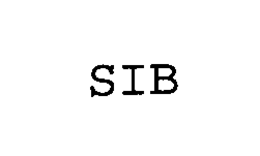
USPTO serial 76977924
SIB
Reviewed by CopyMark Law Group
- Filing date
- Status date
- Registration date
- Jun 27, 2006
- Examiner
- ALT, JILL
- Law office
- PUBLICATION AND ISSUE SECTION
What this means
Status 710 means the registration was cancelled because a required Section 8 declaration of continued use was not filed within the deadline (including any grace period). The federal registration is no longer active. Evaluate filing a new application if you still use the mark, or petition if cancellation was erroneous. Consult counsel on remaining common-law rights.
Need help with SIB?
If you own this trademark, we can monitor new filings and help with USPTO deadlines. If you do not, we can file a new U.S. application.
Owner
SAINT ETIENNE, FR
SAINT ETIENNE, FR
SAINT ETIENNE, FR
Attorney of record
The USPTO lists this attorney as the applicant's representative for correspondence on this application.
Robert B. Murray
ROBERT B MURRAY ROTHWELL, FIGG, ERNST & MANBECK PCSTE 800, 1425 K ST NWWASHINGTON, DC 20005UNITED STATESGoods and services
| Class | Description | Status | First use |
|---|---|---|---|
| 009 | Acoustic baffles, loudspeakers, equipment for the reproduction of sound and images, namely, video cassette recorders, audio cassette recorders, tape recorders; magnetophones; magnetoscopes; hi-fi systems namely, loudspeakers and loudspeaker cabinets, monaural and stereo amplifiers, tuners and stereo receivers, compact disc players, frequency distributor filters; related accessories for hi-fis, namely, loudspeakers, loudspeaker cabinets, terminal blocks, active or passive frequency distributor filters, sandwich diaphragms, composite diaphragms, synthetic diaphragms, magnetic circuits, antennas, speaker enclosures, ready-to-assemble loud speaker units and filters sold as units | SECTION 8 - CANCELLED | — |
Related trademarks
CopyMark links this record to cited §2(d) serials, the owner's other marks, Nice classes, similar mark names, and recently changed USPTO applications.
Prosecution history
| Date | Code | Event | What it means |
|---|---|---|---|
| Feb 1, 2013 | C8.. | CANCELLED SEC. 8 (6-YR) | — |
| Jun 27, 2006 | R.PR | REGISTERED-PRINCIPAL REGISTER | Your trademark is registered on the Principal Register — the strongest form of federal trademark protection. You may use the ® symbol for the covered goods and services. Maintenance filings (Section 8 and renewals) are required to keep the registration alive. |
| Apr 4, 2006 | PUBO | PUBLISHED FOR OPPOSITION | Your mark was published in the USPTO Official Gazette for a 30-day opposition window. During that period, third parties who believe they would be harmed can file an opposition. If no opposition is filed, prosecution usually continues toward registration or a Notice of Allowance. |
| Mar 15, 2006 | NPUB | NOTICE OF PUBLICATION | — |
| Feb 15, 2006 | PREV | LAW OFFICE PUBLICATION REVIEW COMPLETED | — |
| Feb 10, 2006 | ALIE | ASSIGNED TO LIE | — |
| Feb 6, 2006 | CNSA | APPROVED FOR PUB - PRINCIPAL REGISTER | — |
| Jan 27, 2006 | MNDA | NOTICE OF DIVIDED TRADEMARK APPLICATION MAILED | — |
| Jan 23, 2006 | DPCC | DIVISIONAL PROCESSING COMPLETE | — |
| Jan 23, 2006 | ACEC | AMENDMENT FROM APPLICANT ENTERED | — |
| Dec 21, 2005 | DRRR | DIVISIONAL REQUEST RECEIVED | — |
| Dec 21, 2005 | CRFA | CORRESPONDENCE RECEIVED IN LAW OFFICE | — |
| Dec 21, 2005 | PAPER RECEIVED | — | |
| Jun 21, 2005 | CNRT | NON-FINAL ACTION MAILED | A non-final Office Action means the USPTO examining attorney has raised at least one issue with your trademark application but has not made a final decision. You usually have three months to respond with arguments, amendments, or evidence. Missing the deadline can abandon the application. |
| Jun 20, 2005 | CNRT | NON-FINAL ACTION WRITTEN | A non-final Office Action means the USPTO examining attorney has raised at least one issue with your trademark application but has not made a final decision. You usually have three months to respond with arguments, amendments, or evidence. Missing the deadline can abandon the application. |
| Jun 16, 2005 | ACEC | AMENDMENT FROM APPLICANT ENTERED | — |
| May 31, 2005 | CRFA | CORRESPONDENCE RECEIVED IN LAW OFFICE | — |
| May 31, 2005 | PAPER RECEIVED | — | |
| Nov 30, 2004 | CNSI | INQUIRY AS TO SUSPENSION MAILED | — |
| Nov 29, 2004 | CNSI | SUSPENSION INQUIRY WRITTEN | — |
| Nov 17, 2004 | ACEC | AMENDMENT FROM APPLICANT ENTERED | — |
| Oct 20, 2004 | PAPER RECEIVED | — | |
| Oct 20, 2004 | EXPI | EX PARTE APPEAL-INSTITUTED | — |
| Oct 20, 2004 | JURT | JURISDICTION RESTORED TO EXAMINING ATTORNEY | — |
| Oct 14, 2004 | CNRT | NON-FINAL ACTION MAILED | A non-final Office Action means the USPTO examining attorney has raised at least one issue with your trademark application but has not made a final decision. You usually have three months to respond with arguments, amendments, or evidence. Missing the deadline can abandon the application. |
| Oct 13, 2004 | CNRT | NON-FINAL ACTION WRITTEN | A non-final Office Action means the USPTO examining attorney has raised at least one issue with your trademark application but has not made a final decision. You usually have three months to respond with arguments, amendments, or evidence. Missing the deadline can abandon the application. |
| Oct 13, 2004 | CPEA | EXAMINERS AMENDMENT AND/OR PRIORITY ACTION - COMPLETED | — |
| Oct 12, 2004 | CRFA | CORRESPONDENCE RECEIVED IN LAW OFFICE | — |
| Oct 12, 2004 | PAPER RECEIVED | — | |
| Oct 12, 2004 | PAPER RECEIVED | — | |
| Apr 9, 2004 | CNFR | FINAL REFUSAL MAILED | A final Office Action (final refusal) means the examining attorney is maintaining at least one refusal and your options are narrower. You can file a response addressing the refusal, appeal to the Trademark Trial and Appeal Board, or let the application abandon. |
| Feb 20, 2004 | CRFA | CORRESPONDENCE RECEIVED IN LAW OFFICE | — |
| Feb 20, 2004 | PAPER RECEIVED | — | |
| Aug 22, 2003 | CNRT | NON-FINAL ACTION MAILED | A non-final Office Action means the USPTO examining attorney has raised at least one issue with your trademark application but has not made a final decision. You usually have three months to respond with arguments, amendments, or evidence. Missing the deadline can abandon the application. |
| Aug 19, 2003 | DOCK | ASSIGNED TO EXAMINER | — |