
USPTO serial 77641841
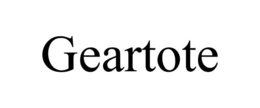
GEARTOTE
Reviewed by CopyMark Law Group
- Filing date
- Status date
- Registration date
- —
- Examiner
- YARD, JOHN S
- Law office
- TMO LAW OFFICE 115 - EXAMINING ATTORNEY ASSIGNED
What this means
These status codes mean the trademark application is abandoned and no longer pending. Common reasons include missing an Office Action response (600), filing without a valid basis (602), express abandonment by the applicant (604), or failure to respond to an examiner's inquiry (618). Revival may be possible in limited circumstances. If abandonment was unintentional, consult counsel about a petition to revive. Otherwise file a new application if protection is still needed.
Need help with GEARTOTE?
If you own this trademark, we can monitor new filings and help with USPTO deadlines. If you do not, we can file a new U.S. application.
Owner
Goods and services
| Class | Description | Status | First use |
|---|---|---|---|
| 009 | Backpacks especially adapted for holding laptops; Backpacks especially adapted for holding laptops and notebook computers; Bags and cases specially adapted for holding or carrying portable telephones and telephone equipment and accessories; Bags for cameras and photographic equipment; Bags specially adapted for protective helmets; Battery cases; Beeper carrying cases; Bivouac sacks, namely, wind and water resistant bags into which a person can fit to protect themselves from exposure to the elements; Camera cases; Carrying cases and containers for contact lenses; Carrying cases for cell phones; Carrying cases for radio pagers; Carrying cases specially adapted for pocket calculators and cellphones; Cases for children's eye glasses; Cases for contact lenses; Cases for diskettes and compact disks; Cases for electronic diaries; Cases for mobile phones; Cases for photographic apparatus; Cases for pocket calculators; Cases for spectacles and sunglasses; Cases for spectacles, for pince-nez and for contact lenses; Cases for telephones; CD cases; Compact disc cases; Computer carrying cases; Contact lens cases; DVD cases; Eye glass cases; Eyeglass cases; Eyewear cases; Laptop carrying cases; Messenger bags especially adapted for holding laptops; Plastic and cardboard cases for storing record albums; Plastic case used as a security device for protecting and securing DVDs and other magnetic and electronic media from theft; Portable photography equipment, namely, reflectors, tripods, light stands and supports and bags specially adapted for these goods; Protective carrying cases for portable music players, namely, MP3 players; Protective carrying cases specially adapted for global positioning system (GPS) apparatus; Protective carrying cases specially adapted for personal digital assistants (PDA); Protective carrying cases specially adapted for video game consoles for use with an external display screen or monitor; Protective covers and cases for cell phones, laptops and portable media players; Protective sleeves for laptop computers; Rolling cases especially adapted for holding laptops and notebook computers; Shield cases for magnetic disks; Spectacle cases; Spectacles, frames and cases; Vibrating alarm incorporated into plastic medication cases sold empty as a reminder to take medication; Wheeled backpacks especially adapted for holding laptops; Wheeled messenger bags especially adapted for holding laptops | ACTIVE | — |
Related trademarks
CopyMark links this record to cited §2(d) serials, the owner's other marks, Nice classes, similar mark names, and recently changed USPTO applications.
Prosecution history
| Date | Code | Event | What it means |
|---|---|---|---|
| Oct 21, 2009 | MAB2 | ABANDONMENT NOTICE MAILED - FAILURE TO RESPOND | The trademark application was abandoned because a required response or document was not filed by the deadline — usually a missed Office Action response. The application is dead unless a petition to revive is granted within a limited time. |
| Oct 21, 2009 | ABN2 | ABANDONMENT - FAILURE TO RESPOND OR LATE RESPONSE | The trademark application was abandoned because a required response or document was not filed by the deadline — usually a missed Office Action response. The application is dead unless a petition to revive is granted within a limited time. |
| Mar 24, 2009 | GNRN | NOTIFICATION OF NON-FINAL ACTION E-MAILED | A non-final Office Action means the USPTO examining attorney has raised at least one issue with your trademark application but has not made a final decision. You usually have three months to respond with arguments, amendments, or evidence. Missing the deadline can abandon the application. |
| Mar 24, 2009 | GNRT | NON-FINAL ACTION E-MAILED | A non-final Office Action means the USPTO examining attorney has raised at least one issue with your trademark application but has not made a final decision. You usually have three months to respond with arguments, amendments, or evidence. Missing the deadline can abandon the application. |
| Mar 24, 2009 | CNRT | NON-FINAL ACTION WRITTEN | A non-final Office Action means the USPTO examining attorney has raised at least one issue with your trademark application but has not made a final decision. You usually have three months to respond with arguments, amendments, or evidence. Missing the deadline can abandon the application. |
| Mar 19, 2009 | DOCK | ASSIGNED TO EXAMINER | — |
| Jan 6, 2009 | MPMK | NOTICE OF PSEUDO MARK MAILED | — |
| Jan 5, 2009 | NWAP | NEW APPLICATION ENTERED | — |