
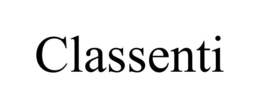
USPTO serial 77666606
CLASSENTI
Reviewed by CopyMark Law Group
- Filing date
- Status date
- Registration date
- Nov 22, 2011
- Examiner
- KEATING, MICHAEL P
- Law office
- PUBLICATION AND ISSUE SECTION
What this means
Status 710 means the registration was cancelled because a required Section 8 declaration of continued use was not filed within the deadline (including any grace period). The federal registration is no longer active. Evaluate filing a new application if you still use the mark, or petition if cancellation was erroneous. Consult counsel on remaining common-law rights.
Need help with CLASSENTI?
If you own this trademark, we can monitor new filings and help with USPTO deadlines. If you do not, we can file a new U.S. application.
Owner
Enfield, GB
Enfield, GB
Enfield, GB
Enfield, GB
Enfield, GB
Enfield, GB
Goods and services
| Class | Description | Status | First use |
|---|---|---|---|
| 015 | Accordions; Acoustic basses; Acoustic guitars; Bagpipes; Bamboo vertical pipes (hichiriki); Bamboo vertical pipes (shoh); Banjos; Bass guitars; Bassoon; Bassoons; Bongo drums; Bows for musical instruments; Brass instruments; Brass instruments, namely, trumpet, trombone, horn, euphonium, tuba, bass, sousaphone, cornet; Bugles; Capos; Carillons; Carrying cases for musical instruments; Cases for musical instruments; Castanets; Catgut for musical instruments; Cellos; Chin rests for violins; Clarinets; Concertinas; Conductor's batons; Conga drums; Cornets; Cymbal sticks; Cymbals; Double basses; Drum keys for tuning drums; Drumheads; Drums; Drumsticks; Dulcimers; Electric and electronic musical instruments; Electric bass guitars; Electric basses; Electric carillons; Electric guitars; Electronic effects pedals for use with musical instruments; Electronic musical instruments; Electronic musical keyboards; English horns; Flutes; Foot pedals for use in connection with musical instruments.; French horns; Glockenspiels; Gongs; Guitar picks; Guitar playing assistance devices, namely, a sliding clamp-like structure positioned onto the guitar neck to form and sound guitar chords and notes; Guitar skins for electric guitars; Guitar straps; Guitar strings; Guitars; Handbells; Harmonicas; Harmoniums; Harps; Harpsichords; Horns; Horsehair for use in making violin bows; Japanese bamboo clarinets (shakuhachi); Japanese drums (taiko); Japanese flutes (yokobue); Japanese hand drums (tsuzumi); Japanese lutes; Japanese picks; Japanese plectrums; Japanese traditional musical instruments; Kazoos; Kettledrums; Keyboard instruments; Keyboard instruments, namely,digital piano, musical keyboard, stage piano, portable piano, pocket piano, roll up piano, digital keyboard, baby grand keyboard, and keyboard instrument accessories, namely, stands, cases, carrying bags and storage bags; Lyres; Mandolines; Mandolins; Marimbas; Mouthpieces for musical instruments; Music boxes; Music pitch pipes; Music synthesizer sold as a unit with instructional manual; Music synthesizers; Musical boxes; Musical Christmas ornaments; Musical instrument accessories, namely, stands, cases, carrying bags and storage bags; Musical instrument stands; Musical instrument strings; Musical instruments; Musical instruments, namely, bass guitars; Musical instruments, namely, gongs; Musical instruments, namely, lutes; Musical instruments, namely, musical chimes; Musical instruments, namely, pedal steel guitars; Musical instruments, namely, rattles; Musical instruments, namely, rhythm machines; Musical instruments, namely, spoons; Musical instruments, namely, steel drums; Musical instruments, namely, string basses; Musical instruments, namely, piano, guitar, violin, trumpet, drums, flute, saxophone, clarinet, cello; Musical keyboard carrying cases; Musical rhythm sets; Oboes; Ocarinas; Organs; Oriental fiddles; Oriental harps; Percussion instruments; Percussion instruments, namely, drums, glockenspiel, vibraphone, bells, chimes; Perforated music rolls for use in player pianos; Pianos; Piccolos; Picks for stringed instruments; Player pianos; Plectrums; Plugs for converting open hole flutes to closed hole flutes; Recorders; Reeds for use in woodwind mouthpieces; Rosin for stringed musical instruments; Saxophones; Sheet music stands; Shofars; Shoulder rests for violins; Skins for drums; Slings used to support violins and/or violas while playing; Snare wires for use with snare drums; Sound effect pedals for musical instruments; Stands for musical instruments; String instruments; String instruments, namely, violin, viola, cello, bass, harp, piano, mandolin, ukulele, banjo, electric guitar, acoustic guitar, classical guitar, spanish guitar, flamenco guitar, bass guitar; Strings for japanese style stringed instruments; Strings for musical instruments; Strings for western musical instruments; Tambourines; Three-stringed japanese guitars (shamisen); Timpani; Triangles; Trombones; Trumpets; Tuners for musical instruments; Tuning apparatus for musical instruments; Tuning forks; Turning apparatus for sheet music; Ukuleles; Valves for musical instruments; Violas; Violin bow hold teaching devices; Violin chin rests; Violins; Western style musical instruments; Wind instruments; Wind instruments, namely, trumpet, horn, trombone, cornet, bass; Woodwind instruments; Woodwind instruments, namely, flute, clarinet, saxophone, oboe, whistles,; Xylophones; Zithers | SECTION 8 - CANCELLED | Dec 1, 2006 |
Related trademarks
CopyMark links this record to cited §2(d) serials, the owner's other marks, Nice classes, similar mark names, and recently changed USPTO applications.
- Other trademarks owned by Nazemi, Hejran
- Other trademarks owned by Nazemi, Hejran
- Other trademarks owned by Nazemi, Hejran
- Other trademarks owned by Stogden, Graham
- Other trademarks owned by Stogden, Graham
- Other trademarks owned by Stogden, Graham
- Other trademarks in Class 015
- Similar marks named CLASSENTI
- Recently changed USPTO trademarks
- Recently filed trademarks
- Browse all trademark records
Prosecution history
| Date | Code | Event | What it means |
|---|---|---|---|
| Jun 29, 2018 | C8.. | CANCELLED SEC. 8 (6-YR) | — |
| Nov 22, 2016 | REM1 | COURTESY REMINDER - SEC. 8 (6-YR) E-MAILED | — |
| Nov 22, 2011 | R.PR | REGISTERED-PRINCIPAL REGISTER | Your trademark is registered on the Principal Register — the strongest form of federal trademark protection. You may use the ® symbol for the covered goods and services. Maintenance filings (Section 8 and renewals) are required to keep the registration alive. |
| Sep 6, 2011 | NPUB | OFFICIAL GAZETTE PUBLICATION CONFIRMATION E-MAILED | — |
| Sep 6, 2011 | PUBO | PUBLISHED FOR OPPOSITION | Your mark was published in the USPTO Official Gazette for a 30-day opposition window. During that period, third parties who believe they would be harmed can file an opposition. If no opposition is filed, prosecution usually continues toward registration or a Notice of Allowance. |
| Jul 29, 2011 | PREV | LAW OFFICE PUBLICATION REVIEW COMPLETED | — |
| Jul 28, 2011 | CNSA | APPROVED FOR PUB - PRINCIPAL REGISTER | — |
| Jul 27, 2011 | TEME | TEAS/EMAIL CORRESPONDENCE ENTERED | — |
| Jul 26, 2011 | CRFA | CORRESPONDENCE RECEIVED IN LAW OFFICE | — |
| Jul 26, 2011 | TROA | TEAS RESPONSE TO OFFICE ACTION RECEIVED | This event means the applicant filed a response to a USPTO Office Action — typically arguments, amendments, or evidence addressing the examiner's objections. The USPTO will review the response and either allow the mark to proceed or issue another action. |
| Jul 26, 2011 | PETG | PETITION TO REVIVE-GRANTED | — |
| Jul 26, 2011 | PROA | TEAS PETITION TO REVIVE RECEIVED | — |
| Jun 24, 2011 | MAB2 | ABANDONMENT NOTICE MAILED - FAILURE TO RESPOND | The trademark application was abandoned because a required response or document was not filed by the deadline — usually a missed Office Action response. The application is dead unless a petition to revive is granted within a limited time. |
| Jun 23, 2011 | ABN2 | ABANDONMENT - FAILURE TO RESPOND OR LATE RESPONSE | The trademark application was abandoned because a required response or document was not filed by the deadline — usually a missed Office Action response. The application is dead unless a petition to revive is granted within a limited time. |
| Nov 16, 2010 | GNFN | NOTIFICATION OF FINAL REFUSAL EMAILED | — |
| Nov 16, 2010 | GNFR | FINAL REFUSAL E-MAILED | A final Office Action (final refusal) means the examining attorney is maintaining at least one refusal and your options are narrower. You can file a response addressing the refusal, appeal to the Trademark Trial and Appeal Board, or let the application abandon. |
| Nov 16, 2010 | CNFR | FINAL REFUSAL WRITTEN | A final Office Action (final refusal) means the examining attorney is maintaining at least one refusal and your options are narrower. You can file a response addressing the refusal, appeal to the Trademark Trial and Appeal Board, or let the application abandon. |
| Nov 1, 2010 | TEME | TEAS/EMAIL CORRESPONDENCE ENTERED | — |
| Nov 1, 2010 | CRFA | CORRESPONDENCE RECEIVED IN LAW OFFICE | — |
| Nov 1, 2010 | TROA | TEAS RESPONSE TO OFFICE ACTION RECEIVED | This event means the applicant filed a response to a USPTO Office Action — typically arguments, amendments, or evidence addressing the examiner's objections. The USPTO will review the response and either allow the mark to proceed or issue another action. |
| May 12, 2010 | GNRN | NOTIFICATION OF NON-FINAL ACTION E-MAILED | A non-final Office Action means the USPTO examining attorney has raised at least one issue with your trademark application but has not made a final decision. You usually have three months to respond with arguments, amendments, or evidence. Missing the deadline can abandon the application. |
| May 12, 2010 | GNRT | NON-FINAL ACTION E-MAILED | A non-final Office Action means the USPTO examining attorney has raised at least one issue with your trademark application but has not made a final decision. You usually have three months to respond with arguments, amendments, or evidence. Missing the deadline can abandon the application. |
| May 12, 2010 | CNRT | NON-FINAL ACTION WRITTEN | A non-final Office Action means the USPTO examining attorney has raised at least one issue with your trademark application but has not made a final decision. You usually have three months to respond with arguments, amendments, or evidence. Missing the deadline can abandon the application. |
| May 11, 2010 | TEME | TEAS/EMAIL CORRESPONDENCE ENTERED | — |
| May 11, 2010 | CRFA | CORRESPONDENCE RECEIVED IN LAW OFFICE | — |
| May 11, 2010 | TROA | TEAS RESPONSE TO OFFICE ACTION RECEIVED | This event means the applicant filed a response to a USPTO Office Action — typically arguments, amendments, or evidence addressing the examiner's objections. The USPTO will review the response and either allow the mark to proceed or issue another action. |
| May 11, 2010 | PETG | PETITION TO REVIVE-GRANTED | — |
| May 11, 2010 | PROA | TEAS PETITION TO REVIVE RECEIVED | — |
| Apr 22, 2010 | MAB2 | ABANDONMENT NOTICE MAILED - FAILURE TO RESPOND | The trademark application was abandoned because a required response or document was not filed by the deadline — usually a missed Office Action response. The application is dead unless a petition to revive is granted within a limited time. |
| Apr 22, 2010 | ABN2 | ABANDONMENT - FAILURE TO RESPOND OR LATE RESPONSE | The trademark application was abandoned because a required response or document was not filed by the deadline — usually a missed Office Action response. The application is dead unless a petition to revive is granted within a limited time. |
| Jun 3, 2009 | GAUN | NOTIFICATION OF NOTICE OF UNRESPONSIVE AMENDMENT - E-MAILED | — |
| Jun 3, 2009 | GAUD | NOTICE OF UNRESPONSIVE AMENDMENT - E-MAILED | — |
| Jun 3, 2009 | NAUD | REPORT UNRESPONSIVE AMENDMENT - COMPLETED | — |
| Jun 3, 2009 | UNPR | UNRESPONSIVE/DUPLICATE PAPER RECEIVED | — |
| Jun 3, 2009 | CRFA | CORRESPONDENCE RECEIVED IN LAW OFFICE | — |
| Jun 3, 2009 | ALIE | ASSIGNED TO LIE | — |
| Jun 2, 2009 | UNPR | UNRESPONSIVE/DUPLICATE PAPER RECEIVED | — |
| Apr 28, 2009 | GNRN | NOTIFICATION OF NON-FINAL ACTION E-MAILED | A non-final Office Action means the USPTO examining attorney has raised at least one issue with your trademark application but has not made a final decision. You usually have three months to respond with arguments, amendments, or evidence. Missing the deadline can abandon the application. |
| Apr 28, 2009 | GNRT | NON-FINAL ACTION E-MAILED | A non-final Office Action means the USPTO examining attorney has raised at least one issue with your trademark application but has not made a final decision. You usually have three months to respond with arguments, amendments, or evidence. Missing the deadline can abandon the application. |
| Apr 28, 2009 | CNRT | NON-FINAL ACTION WRITTEN | A non-final Office Action means the USPTO examining attorney has raised at least one issue with your trademark application but has not made a final decision. You usually have three months to respond with arguments, amendments, or evidence. Missing the deadline can abandon the application. |
| Apr 28, 2009 | DOCK | ASSIGNED TO EXAMINER | — |
| Feb 12, 2009 | NWOS | NEW APPLICATION OFFICE SUPPLIED DATA ENTERED | — |
| Feb 12, 2009 | NWAP | NEW APPLICATION ENTERED | — |