
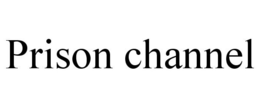
USPTO serial 85167473
PRISON CHANNEL
Reviewed by CopyMark Law Group
Reg. 4119761Status 710
- Filing date
- Status date
- Registration date
- Mar 27, 2012
- Examiner
- BELLO, ZACK
- Law office
- TMO LAW OFFICE 111
What this means
Status 710 means the registration was cancelled because a required Section 8 declaration of continued use was not filed within the deadline (including any grace period). The federal registration is no longer active. Evaluate filing a new application if you still use the mark, or petition if cancellation was erroneous. Consult counsel on remaining common-law rights.
Need help with PRISON CHANNEL?
If you own this trademark, we can monitor new filings and help with USPTO deadlines. If you do not, we can file a new U.S. application.
Current trademark owner
Monitor this mark, or talk with CopyMark about this registration.
Not the owner?
File a new U.S. trademark application, or speak with our attorneys.
Owner
Goods and services
| Class | Description | Status | First use |
|---|---|---|---|
| 041 | Entertainment in the nature of on-going television programs in the field of prison | SECTION 8 - CANCELLED | May 15, 2010 |
Related trademarks
CopyMark links this record to cited §2(d) serials, the owner's other marks, Nice classes, similar mark names, and recently changed USPTO applications.
Prosecution history
| Date | Code | Event | What it means |
|---|---|---|---|
| Oct 7, 2022 | CAEX | CANCELLED SEC. 8 (10-YR)/EXPIRED SECTION 9 | — |
| Mar 27, 2021 | REM2 | COURTESY REMINDER - SEC. 8 (10-YR)/SEC. 9 E-MAILED | — |
| Dec 6, 2017 | NAS8 | NOTICE OF ACCEPTANCE OF SEC. 8 - E-MAILED | — |
| Dec 6, 2017 | 8.OK | REGISTERED - SEC. 8 (6-YR) ACCEPTED | The USPTO accepted your Section 8 declaration showing the mark is still in use in commerce (or excusable nonuse). This satisfies the six-year maintenance requirement and keeps the registration active until the next renewal deadline. |
| Dec 5, 2017 | APRE | CASE ASSIGNED TO POST REGISTRATION PARALEGAL | — |
| Nov 9, 2017 | ES8R | TEAS SECTION 8 RECEIVED | — |
| Nov 9, 2017 | TCCA | TEAS CHANGE OF CORRESPONDENCE RECEIVED | — |
| Mar 27, 2017 | REM1 | COURTESY REMINDER - SEC. 8 (6-YR) E-MAILED | — |
| Mar 27, 2012 | R.SR | REGISTERED-SUPPLEMENTAL REGISTER | Your mark is registered on the Supplemental Register, which is available for marks that are not yet distinctive enough for the Principal Register but can still identify a source. Protection is more limited than Principal Register registration but can later support a Principal Register application. |
| Feb 21, 2012 | PREV | LAW OFFICE PUBLICATION REVIEW COMPLETED | — |
| Feb 15, 2012 | CNTA | APPROVED FOR REGISTRATION SUPPLEMENTAL REGISTER | — |
| Feb 15, 2012 | DMCC | DATA MODIFICATION COMPLETED | — |
| Feb 14, 2012 | TEME | TEAS/EMAIL CORRESPONDENCE ENTERED | — |
| Feb 14, 2012 | CRFA | CORRESPONDENCE RECEIVED IN LAW OFFICE | — |
| Feb 14, 2012 | TROA | TEAS RESPONSE TO OFFICE ACTION RECEIVED | This event means the applicant filed a response to a USPTO Office Action — typically arguments, amendments, or evidence addressing the examiner's objections. The USPTO will review the response and either allow the mark to proceed or issue another action. |
| Feb 6, 2012 | GNRN | NOTIFICATION OF NON-FINAL ACTION E-MAILED | A non-final Office Action means the USPTO examining attorney has raised at least one issue with your trademark application but has not made a final decision. You usually have three months to respond with arguments, amendments, or evidence. Missing the deadline can abandon the application. |
| Feb 6, 2012 | GNRT | NON-FINAL ACTION E-MAILED | A non-final Office Action means the USPTO examining attorney has raised at least one issue with your trademark application but has not made a final decision. You usually have three months to respond with arguments, amendments, or evidence. Missing the deadline can abandon the application. |
| Feb 6, 2012 | CNRT | NON-FINAL ACTION WRITTEN | A non-final Office Action means the USPTO examining attorney has raised at least one issue with your trademark application but has not made a final decision. You usually have three months to respond with arguments, amendments, or evidence. Missing the deadline can abandon the application. |
| Jan 16, 2012 | TEME | TEAS/EMAIL CORRESPONDENCE ENTERED | — |
| Jan 14, 2012 | CRFA | CORRESPONDENCE RECEIVED IN LAW OFFICE | — |
| Jan 14, 2012 | TROA | TEAS RESPONSE TO OFFICE ACTION RECEIVED | This event means the applicant filed a response to a USPTO Office Action — typically arguments, amendments, or evidence addressing the examiner's objections. The USPTO will review the response and either allow the mark to proceed or issue another action. |
| Dec 20, 2011 | GNRN | NOTIFICATION OF NON-FINAL ACTION E-MAILED | A non-final Office Action means the USPTO examining attorney has raised at least one issue with your trademark application but has not made a final decision. You usually have three months to respond with arguments, amendments, or evidence. Missing the deadline can abandon the application. |
| Dec 20, 2011 | GNRT | NON-FINAL ACTION E-MAILED | A non-final Office Action means the USPTO examining attorney has raised at least one issue with your trademark application but has not made a final decision. You usually have three months to respond with arguments, amendments, or evidence. Missing the deadline can abandon the application. |
| Dec 20, 2011 | CNRT | NON-FINAL ACTION WRITTEN | A non-final Office Action means the USPTO examining attorney has raised at least one issue with your trademark application but has not made a final decision. You usually have three months to respond with arguments, amendments, or evidence. Missing the deadline can abandon the application. |
| Dec 7, 2011 | TEME | TEAS/EMAIL CORRESPONDENCE ENTERED | — |
| Dec 7, 2011 | CRFA | CORRESPONDENCE RECEIVED IN LAW OFFICE | — |
| Dec 5, 2011 | ALIE | ASSIGNED TO LIE | — |
| Nov 15, 2011 | TROA | TEAS RESPONSE TO OFFICE ACTION RECEIVED | This event means the applicant filed a response to a USPTO Office Action — typically arguments, amendments, or evidence addressing the examiner's objections. The USPTO will review the response and either allow the mark to proceed or issue another action. |
| Nov 15, 2011 | PETG | PETITION TO REVIVE-GRANTED | — |
| Nov 15, 2011 | PROA | TEAS PETITION TO REVIVE RECEIVED | — |
| Nov 15, 2011 | TCCA | TEAS CHANGE OF CORRESPONDENCE RECEIVED | — |
| Sep 20, 2011 | MAB2 | ABANDONMENT NOTICE MAILED - FAILURE TO RESPOND | The trademark application was abandoned because a required response or document was not filed by the deadline — usually a missed Office Action response. The application is dead unless a petition to revive is granted within a limited time. |
| Sep 20, 2011 | ABN2 | ABANDONMENT - FAILURE TO RESPOND OR LATE RESPONSE | The trademark application was abandoned because a required response or document was not filed by the deadline — usually a missed Office Action response. The application is dead unless a petition to revive is granted within a limited time. |
| May 3, 2011 | AAUA | NOTICE OF ACCEPTANCE OF AMENDMENT TO ALLEGE USE E-MAILED | — |
| May 1, 2011 | IUAA | USE AMENDMENT ACCEPTED | — |
| Apr 28, 2011 | AUPC | AMENDMENT TO USE PROCESSING COMPLETE | — |
| Apr 28, 2011 | IUAF | USE AMENDMENT FILED | — |
| Apr 27, 2011 | EAAU | TEAS AMENDMENT OF USE RECEIVED | — |
| Feb 15, 2011 | GNRN | NOTIFICATION OF NON-FINAL ACTION E-MAILED | A non-final Office Action means the USPTO examining attorney has raised at least one issue with your trademark application but has not made a final decision. You usually have three months to respond with arguments, amendments, or evidence. Missing the deadline can abandon the application. |
| Feb 15, 2011 | GNRT | NON-FINAL ACTION E-MAILED | A non-final Office Action means the USPTO examining attorney has raised at least one issue with your trademark application but has not made a final decision. You usually have three months to respond with arguments, amendments, or evidence. Missing the deadline can abandon the application. |
| Feb 15, 2011 | CNRT | NON-FINAL ACTION WRITTEN | A non-final Office Action means the USPTO examining attorney has raised at least one issue with your trademark application but has not made a final decision. You usually have three months to respond with arguments, amendments, or evidence. Missing the deadline can abandon the application. |
| Feb 10, 2011 | DOCK | ASSIGNED TO EXAMINER | — |
| Nov 5, 2010 | NWOS | NEW APPLICATION OFFICE SUPPLIED DATA ENTERED | — |
| Nov 5, 2010 | NWAP | NEW APPLICATION ENTERED | — |