
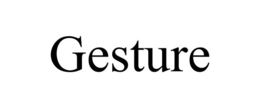
USPTO serial 85392037
GESTURE
Reviewed by CopyMark Law Group
- Filing date
- Status date
- Registration date
- —
- Examiner
- SAITO, KIM
- Law office
- TMEG LAW OFFICE 102 - EXAMINING ATTORNEY ASSIGNED
What this means
These status codes mean the trademark application is abandoned and no longer pending. Common reasons include missing an Office Action response (600), filing without a valid basis (602), express abandonment by the applicant (604), or failure to respond to an examiner's inquiry (618). Revival may be possible in limited circumstances. If abandonment was unintentional, consult counsel about a petition to revive. Otherwise file a new application if protection is still needed.
Need help with GESTURE?
If you own this trademark, we can monitor new filings and help with USPTO deadlines. If you do not, we can file a new U.S. application.
Owner
Seoul 150-721, KR
Attorney of record
The USPTO lists this attorney as the applicant's representative for correspondence on this application.
Robert J. Kenney
ROBERT J. KENNEY BIRCH, STEWART, KOLASCH & BIRCH, LLPPO BOX 747FALLS CHURCH, VA 22040-0747UNITED STATESGoods and services
| Class | Description | Status | First use |
|---|---|---|---|
| 009 | Telephone sets; Wireless Telephone sets; Portable communications apparatus, namely, Telephone Handsets, Walkie-Talkies, Satellite Telephones and Personal digital assistants (PDA); Mobile phones; MPEG audio layer-3 (MP3) players; Television receivers; Television remote controllers; Encoded electronic chip cards for improvement of television image quality; Blank Universal Serial Bus (USB) drives; Digital Media Broadcasting (DMB) players; Headsets for mobile phones; Portable Chargers for mobile phone batteries and digital camera batteries; Electronic Photo Albums; Digital Picture Frames for displaying digital pictures, video clips and music; Monitors for computer; Lap Top computers; Computers; Digital Versatile Disc (DVD) players; Portable hard disk drives; Apparatus for recording, transmission or reproduction of sound or images for use in telecommunications; Apparatus for recording, transmission or reproduction of sound or images; Electric audio and visual apparatus and instruments, namely, audio and video cassette recorders, audio recorders, video tape recorders, audio-video receivers; Personal Stereos; Computer software for mobile phone, namely, for mobile phone operating systems, sending and receiving information, to provide web-based access to applications, products and services; Computer application software for television; Computer application software for personal computer monitor; Digital Versatile Disc (DVD) players for home theaters; Speakers for home theaters; Audio-Video (AV) receivers for home theaters; Projectors for home theaters; Integrated circuits; Audio Receivers; Electronic toll collection systems comprised of on board units, namely, hardened units composed of microprocessors and integrated transmitters and receivers installed on board vehicles; Electronic toll smart cards for electronic toll collection systems; Transponders, namely, electronic terminals equipped in vehicles for electronic commercial transactions; Closed-Circuit Television (CCTV) Cameras; Network monitoring cameras namely for surveillance; Digital signage; Thermal printers; Digital color printers; Laser printers; Ink jet printers; Color printers; Printers for use with computers; Solar batteries; pre-recorded computer programs, namely, pre-recorded games, pre-recorded computer software for administration of computer networks, pre-recorded computer software for processing digital images, pre-recorded computer software for controlling the operation of audio and video devices, pre-recorded computer-gaming software; downloadable computer program for use in database management, downloadable computer game software via a global computer network and wireless devices, downloadable computer software for receiving, processing, transmitting and displaying data; Personal Computer (PC) Cameras; Digital voice recorders; Videocassette recorders; Network monitors; Computer software for education for use in database management, children's educational software, educational software featuring instruction in languages; Electronic Notepad Computer; Tablet computers; Interactive electronic white boards; Set-top boxes; Downloadable image data files accessible via the Internet; downloadable electronic publications, namely, magazines, newspapers, books, manuals in the field of electronics; Video conference system comprising video monitors, cameras, speakers; Monitors for video conference; Cameras for video conference; Speakers for video conference; Three dimensional eyeglasses for television receivers; DNA chips; dosage dispensers, namely, machines for dispensing pre-determined dosages of medication; Oxygen transvasing apparatus, namely, oxygen regulators; Incubators for bacteria culture; Test tubes; food analysis apparatus, namely, diagnostic apparatus for testing food; physical and chemical laboratory apparatus and instruments, namely, laboratory chemical reactors, beakers, gas mixers for laboratory use; apparatus and instruments for physics, namely, wavemeters; Apparatus for automatic chromatography; Pipettes; chemistry apparatus and instruments, namely, flasks, gas mixers, laboratory chemical reactors; Software for dosimetry purposes in the field of radiotherapy; software for medical purposes, namely, software for managing medical data; biochips for research or scientific purposes; cell chips, namely, DNA chips; cell chip analysis apparatus, namely, chip card readers, optical readers; diagnostic chips for pharmaceutical purposes, namely, DNA chips; diagnostic chips for medical purposes, namely, DNA chips; Computer software for creation, storage, retrieval and modification of medical records used in the medical environment | ACTIVE | — |
Related trademarks
CopyMark links this record to cited §2(d) serials, the owner's other marks, Nice classes, similar mark names, and recently changed USPTO applications.
Prosecution history
| Date | Code | Event | What it means |
|---|---|---|---|
| Feb 4, 2013 | MAB2 | ABANDONMENT NOTICE MAILED - FAILURE TO RESPOND | The trademark application was abandoned because a required response or document was not filed by the deadline — usually a missed Office Action response. The application is dead unless a petition to revive is granted within a limited time. |
| Feb 3, 2013 | ABN2 | ABANDONMENT - FAILURE TO RESPOND OR LATE RESPONSE | The trademark application was abandoned because a required response or document was not filed by the deadline — usually a missed Office Action response. The application is dead unless a petition to revive is granted within a limited time. |
| Jul 8, 2012 | GNRN | NOTIFICATION OF NON-FINAL ACTION E-MAILED | A non-final Office Action means the USPTO examining attorney has raised at least one issue with your trademark application but has not made a final decision. You usually have three months to respond with arguments, amendments, or evidence. Missing the deadline can abandon the application. |
| Jul 8, 2012 | GNRT | NON-FINAL ACTION E-MAILED | A non-final Office Action means the USPTO examining attorney has raised at least one issue with your trademark application but has not made a final decision. You usually have three months to respond with arguments, amendments, or evidence. Missing the deadline can abandon the application. |
| Jul 8, 2012 | CNRT | NON-FINAL ACTION WRITTEN | A non-final Office Action means the USPTO examining attorney has raised at least one issue with your trademark application but has not made a final decision. You usually have three months to respond with arguments, amendments, or evidence. Missing the deadline can abandon the application. |
| Jun 5, 2012 | TEME | TEAS/EMAIL CORRESPONDENCE ENTERED | — |
| Jun 5, 2012 | CRFA | CORRESPONDENCE RECEIVED IN LAW OFFICE | — |
| May 24, 2012 | ALIE | ASSIGNED TO LIE | — |
| May 14, 2012 | TROA | TEAS RESPONSE TO OFFICE ACTION RECEIVED | This event means the applicant filed a response to a USPTO Office Action — typically arguments, amendments, or evidence addressing the examiner's objections. The USPTO will review the response and either allow the mark to proceed or issue another action. |
| Nov 14, 2011 | GNRN | NOTIFICATION OF NON-FINAL ACTION E-MAILED | A non-final Office Action means the USPTO examining attorney has raised at least one issue with your trademark application but has not made a final decision. You usually have three months to respond with arguments, amendments, or evidence. Missing the deadline can abandon the application. |
| Nov 14, 2011 | GNRT | NON-FINAL ACTION E-MAILED | A non-final Office Action means the USPTO examining attorney has raised at least one issue with your trademark application but has not made a final decision. You usually have three months to respond with arguments, amendments, or evidence. Missing the deadline can abandon the application. |
| Nov 14, 2011 | CNRT | NON-FINAL ACTION WRITTEN | A non-final Office Action means the USPTO examining attorney has raised at least one issue with your trademark application but has not made a final decision. You usually have three months to respond with arguments, amendments, or evidence. Missing the deadline can abandon the application. |
| Nov 2, 2011 | DOCK | ASSIGNED TO EXAMINER | — |
| Aug 11, 2011 | NWOS | NEW APPLICATION OFFICE SUPPLIED DATA ENTERED | — |
| Aug 11, 2011 | NWAP | NEW APPLICATION ENTERED | — |