
USPTO serial 85865316
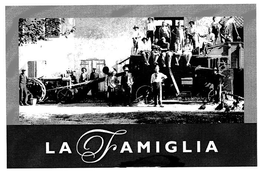
LA FAMIGLIA
Reviewed by CopyMark Law Group
- Filing date
- Status date
- Registration date
- —
- Examiner
- FAHRENKOPF, PAUL
- Law office
- TMEG LAW OFFICE 101 - EXAMINING ATTORNEY ASSIGNED
What this means
These status codes mean the trademark application is abandoned and no longer pending. Common reasons include missing an Office Action response (600), filing without a valid basis (602), express abandonment by the applicant (604), or failure to respond to an examiner's inquiry (618). Revival may be possible in limited circumstances. If abandonment was unintentional, consult counsel about a petition to revive. Otherwise file a new application if protection is still needed.
Need help with LA FAMIGLIA?
If you own this trademark, we can monitor new filings and help with USPTO deadlines. If you do not, we can file a new U.S. application.
Owner
Vancouver, BC, CA
Attorney of record
The USPTO lists this attorney as the applicant's representative for correspondence on this application.
Kirsten Severson
KIRSTEN SEVERSON KLS TRADEMARK SERVICES4TH AVE. POSTPO BOX 19126VANCOUVER, BC, V6K4R8Goods and services
| Class | Description | Status | First use |
|---|---|---|---|
| 029 | Food products, namely, cooking oil, edible oil, salad oil, vegetable oil, potato-based gnocchi, tomato paste, preserved pimentos, preserved olives, dried figs, canned, cooked or otherwise preserved tomatoes, sundried tomatoes, pickled vegetables, preserved vegetables, preserved artichokes, preserved peppers, preserved mushrooms, preserved beans, soups, cheeses, fish for food purposes, preserved anchovies, packaged deli meats; antipasto comprised of preserved olives, preserved peppers, preserved tomatoes; preserved pickles and preserved artichoke hearts; condiments, namely, pickles; canned, fresh, deli or preserved meat, fish and poultry; canned and dried fruit and nuts; jam and fruit spreads; canned vegetables, vegetable-based spreads | ACTIVE | — |
| 030 | Food products, namely, vinegar, egg noodles, pasta, lasagne, flour-based gnocchi, pasta sauces, tomato sauces, spices, pimentos used as a condiment, capers, rice, cornmeal, biscuits, bread sticks, coffee; baking products, namely, Italian specialty yeasts; food flavorings being non-essential oils; confectioneries, namely, candies and chocolates, biscuits; rice mixtures, namely, rice and seasoning mix combined in unitary packages; pesto; vanilla beans, coffee beans; condiments, namely, mustard; vegetable sauces; salt | ACTIVE | — |
| 032 | Non-alcoholic beverages, namely, fruit nectars, fruit juices and mineral water | ACTIVE | — |
Related trademarks
CopyMark links this record to cited §2(d) serials, the owner's other marks, Nice classes, similar mark names, and recently changed USPTO applications.
Prosecution history
| Date | Code | Event | What it means |
|---|---|---|---|
| Dec 21, 2016 | MAB0 | ABANDONMENT NOTICE MAILED - INCOMPLETE RESPONSE | — |
| Dec 21, 2016 | ABN0 | ABANDONMENT - INCOMPLETE RESPONSE | — |
| Nov 15, 2016 | TEME | TEAS/EMAIL CORRESPONDENCE ENTERED | — |
| Nov 14, 2016 | CRFA | CORRESPONDENCE RECEIVED IN LAW OFFICE | — |
| Nov 14, 2016 | ERFR | TEAS REQUEST FOR RECONSIDERATION RECEIVED | — |
| May 12, 2016 | CNFR | FINAL REFUSAL MAILED | A final Office Action (final refusal) means the examining attorney is maintaining at least one refusal and your options are narrower. You can file a response addressing the refusal, appeal to the Trademark Trial and Appeal Board, or let the application abandon. |
| May 12, 2016 | CNFR | FINAL REFUSAL WRITTEN | A final Office Action (final refusal) means the examining attorney is maintaining at least one refusal and your options are narrower. You can file a response addressing the refusal, appeal to the Trademark Trial and Appeal Board, or let the application abandon. |
| Apr 19, 2016 | TEME | TEAS/EMAIL CORRESPONDENCE ENTERED | — |
| Apr 19, 2016 | CRFA | CORRESPONDENCE RECEIVED IN LAW OFFICE | — |
| Apr 12, 2016 | ERSI | TEAS RESPONSE TO SUSPENSION INQUIRY RECEIVED | — |
| Mar 31, 2016 | CNSL | LETTER OF SUSPENSION MAILED | — |
| Mar 31, 2016 | CNSL | SUSPENSION LETTER WRITTEN | — |
| Mar 1, 2016 | RCCK | SUSPENSION CHECKED - TO ATTORNEY FOR ACTION | — |
| Aug 11, 2015 | RCSC | REPORT COMPLETED SUSPENSION CHECK CASE STILL SUSPENDED | — |
| Jul 10, 2015 | RCCK | SUSPENSION CHECKED - TO ATTORNEY FOR ACTION | — |
| Dec 11, 2014 | RCSC | REPORT COMPLETED SUSPENSION CHECK CASE STILL SUSPENDED | — |
| Jun 9, 2014 | RCSC | REPORT COMPLETED SUSPENSION CHECK CASE STILL SUSPENDED | — |
| Dec 4, 2013 | CNSL | LETTER OF SUSPENSION MAILED | — |
| Dec 3, 2013 | CNSL | SUSPENSION LETTER WRITTEN | — |
| Nov 13, 2013 | TEME | TEAS/EMAIL CORRESPONDENCE ENTERED | — |
| Nov 13, 2013 | CRFA | CORRESPONDENCE RECEIVED IN LAW OFFICE | — |
| Nov 4, 2013 | ALIE | ASSIGNED TO LIE | — |
| Nov 1, 2013 | TROA | TEAS RESPONSE TO OFFICE ACTION RECEIVED | This event means the applicant filed a response to a USPTO Office Action — typically arguments, amendments, or evidence addressing the examiner's objections. The USPTO will review the response and either allow the mark to proceed or issue another action. |
| Jun 26, 2013 | CNRT | NON-FINAL ACTION MAILED | A non-final Office Action means the USPTO examining attorney has raised at least one issue with your trademark application but has not made a final decision. You usually have three months to respond with arguments, amendments, or evidence. Missing the deadline can abandon the application. |
| Jun 25, 2013 | CNRT | NON-FINAL ACTION WRITTEN | A non-final Office Action means the USPTO examining attorney has raised at least one issue with your trademark application but has not made a final decision. You usually have three months to respond with arguments, amendments, or evidence. Missing the deadline can abandon the application. |
| Jun 14, 2013 | DOCK | ASSIGNED TO EXAMINER | — |
| Mar 9, 2013 | MDSC | NOTICE OF DESIGN SEARCH CODE MAILED | — |
| Mar 8, 2013 | NWOS | NEW APPLICATION OFFICE SUPPLIED DATA ENTERED | — |
| Mar 6, 2013 | NWAP | NEW APPLICATION ENTERED | — |