
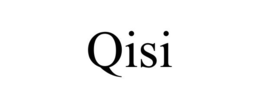
USPTO serial 87674674
QISI
Reviewed by CopyMark Law Group
Status 606
- Filing date
- Status date
- Registration date
- —
- Examiner
- LE, KHANH M
- Law office
- INTENT TO USE SECTION
What this means
This page summarizes the public USPTO record for this serial number, including owners, goods and services, and prosecution history.
Need help with QISI?
If you own this trademark, we can monitor new filings and help with USPTO deadlines. If you do not, we can file a new U.S. application.
Current trademark owner
Monitor this mark, or talk with CopyMark about this registration.
Not the owner?
File a new U.S. trademark application, or speak with our attorneys.
Owner
Changsha, Hunan, CN
Changsha, Hunan, CN
Goods and services
| Class | Description | Status | First use |
|---|---|---|---|
| 009 | Flash card adapters; Flash card readers; Mobile computing and operating platforms consisting of data transceivers, wireless networks and gateways for collection and management of data; Mobile data receivers; Mobile data terminal (MDT); Mobile hotspot devices; Mobile phone cases featuring rechargeable batteries; USB cables; USB cables for cellphones; USB card readers; USB charging ports; USB charging ports for use in vehicles; Vehicle detection equipment, namely, display monitors, computers, image sensors, video cameras, and operating system and application software to detect vehicle location; Vehicle safety equipment, namely, back-up sensors and cameras; Vehicle safety equipment, namely, electronic tire pressure monitors; Vehicle safety equipment, namely, electronic vibration, shock, motion, angle, temperature and voltage monitors; Wireless adapters used to link computers to a telecommunications network; Wireless cellular phone headsets; Wireless chargers; Wireless headsets for smartphones; Wireless receivers and transmitters for portable media players; Wireless remote temperature and humidity monitors for building maintenance; Wireless routers; Wireless transmitters and receivers; Acoustic amplifiers for mobile devices; Audio speakers; Audio speakers for automobiles; Audio equipment for vehicles, namely, stereos, speakers, amplifiers, equalizers, crossovers and speaker housings; Automatic indicators of low pressure in vehicle tires; Bags and cases specially adapted for holding or carrying portable telephones and telephone equipment and accessories; Battery chargers for use with mobile phone; Battery chargers for use with camera; Blank flash memory cards; Blank USB flash drives; Blank digital storage media; Camera stability accessory, namely, a support arm, vest and sled for film and video cameras to absorb shaking moves while shooting; Cellular phone usage detection system comprising a camera and a mobile phone signal receiving device; Computer hardware, namely, wireless access point (WAP) devices; Computer hardware, namely, wireless network extenders; Computer hardware, namely, wireless network repeaters; Computer software to enable the transmission of photographs to mobile telephones; Computer software, namely, electronic financial platform that accommodates multiple types of payment and debt transactions in an integrated mobile phone, PDA, and web based environment; Digital camera accessory in the nature of a digital photo viewer; Eyewear accessories, namely, straps, neck cords and head straps which restrain eyewear from movement on a wearer; Headsets for mobile telephones; Headsets for cellular or mobile phones; Interoperable communication system designed to provide radio, streaming video, wireless internet, and VOIP phone; Keyboards for mobile phones; LED vehicle traffic signals; Media players; Micro USB cables; Micro USB ports; Photographic accessory, namely, film backs; Photographic flash units; Portable media players; Rearview cameras for vehicles; Safety and driving assistant system for mobile vehicles and vessels comprised of electronic proximity sensors and switches, high-resolution cameras, integrated circuits for the purpose of imaging processing, and display monitors; Signal processors for audio speakers; Speedometers for vehicles; Stands adapted for mobile phones; USB wireless routers; USB dongles being wireless network adaptors; Video injection system, namely, optical and electronic hardware and computer software, simulating the effects of tracer round fly-outs and bursts on target, which allows for on-vehicle precision gunnery without expending actual ammunition; Wireless speakers; Wireless digital electronic apparatus to secure and protect data and images on all forms of wireless equipment including mobile telecommunications equipment using an automatic synchronization process and alarm notification of the loss or theft of the wireless equipment including mobile telecommunications equipment; Wireless transceivers with collection and display technology for the status and tracking of all vehicle types in local environments | ACTIVE | — |
Related trademarks
CopyMark links this record to cited §2(d) serials, the owner's other marks, Nice classes, similar mark names, and recently changed USPTO applications.
Prosecution history
| Date | Code | Event | What it means |
|---|---|---|---|
| Apr 22, 2019 | MAB6 | ABANDONMENT NOTICE E-MAILED - NO USE STATEMENT FILED | The intent-to-use application was abandoned because no acceptable Statement of Use (or valid extension) was filed before the Notice of Allowance deadline expired. The application is dead unless revived within a limited window. |
| Apr 22, 2019 | ABN6 | ABANDONMENT - NO USE STATEMENT FILED | The intent-to-use application was abandoned because no acceptable Statement of Use (or valid extension) was filed before the Notice of Allowance deadline expired. The application is dead unless revived within a limited window. |
| Sep 18, 2018 | NOAM | NOA E-MAILED - SOU REQUIRED FROM APPLICANT | A Notice of Allowance means your intent-to-use application cleared examination and opposition but is not registered yet. You must file a Statement of Use showing the mark in commerce, or request an extension, before the deadline — usually six months from the notice date. |
| Jul 24, 2018 | NPUB | OFFICIAL GAZETTE PUBLICATION CONFIRMATION E-MAILED | — |
| Jul 24, 2018 | PUBO | PUBLISHED FOR OPPOSITION | Your mark was published in the USPTO Official Gazette for a 30-day opposition window. During that period, third parties who believe they would be harmed can file an opposition. If no opposition is filed, prosecution usually continues toward registration or a Notice of Allowance. |
| Jul 4, 2018 | NONP | NOTIFICATION OF NOTICE OF PUBLICATION E-MAILED | — |
| Jun 20, 2018 | CNSA | APPROVED FOR PUB - PRINCIPAL REGISTER | — |
| Jun 15, 2018 | XAEC | EXAMINER'S AMENDMENT ENTERED | — |
| Jun 15, 2018 | GNEN | NOTIFICATION OF EXAMINERS AMENDMENT E-MAILED | — |
| Jun 15, 2018 | GNEA | EXAMINERS AMENDMENT E-MAILED | — |
| Jun 15, 2018 | CNEA | EXAMINERS AMENDMENT -WRITTEN | — |
| Jun 15, 2018 | GNFN | NOTIFICATION OF FINAL REFUSAL EMAILED | — |
| Jun 15, 2018 | GNFR | FINAL REFUSAL E-MAILED | A final Office Action (final refusal) means the examining attorney is maintaining at least one refusal and your options are narrower. You can file a response addressing the refusal, appeal to the Trademark Trial and Appeal Board, or let the application abandon. |
| Jun 15, 2018 | CNFR | FINAL REFUSAL WRITTEN | A final Office Action (final refusal) means the examining attorney is maintaining at least one refusal and your options are narrower. You can file a response addressing the refusal, appeal to the Trademark Trial and Appeal Board, or let the application abandon. |
| May 26, 2018 | TEME | TEAS/EMAIL CORRESPONDENCE ENTERED | — |
| May 26, 2018 | CRFA | CORRESPONDENCE RECEIVED IN LAW OFFICE | — |
| May 25, 2018 | ALIE | ASSIGNED TO LIE | — |
| May 21, 2018 | TROA | TEAS RESPONSE TO OFFICE ACTION RECEIVED | This event means the applicant filed a response to a USPTO Office Action — typically arguments, amendments, or evidence addressing the examiner's objections. The USPTO will review the response and either allow the mark to proceed or issue another action. |
| Feb 26, 2018 | GNRN | NOTIFICATION OF NON-FINAL ACTION E-MAILED | A non-final Office Action means the USPTO examining attorney has raised at least one issue with your trademark application but has not made a final decision. You usually have three months to respond with arguments, amendments, or evidence. Missing the deadline can abandon the application. |
| Feb 26, 2018 | GNRT | NON-FINAL ACTION E-MAILED | A non-final Office Action means the USPTO examining attorney has raised at least one issue with your trademark application but has not made a final decision. You usually have three months to respond with arguments, amendments, or evidence. Missing the deadline can abandon the application. |
| Feb 26, 2018 | CNRT | NON-FINAL ACTION WRITTEN | A non-final Office Action means the USPTO examining attorney has raised at least one issue with your trademark application but has not made a final decision. You usually have three months to respond with arguments, amendments, or evidence. Missing the deadline can abandon the application. |
| Feb 20, 2018 | DOCK | ASSIGNED TO EXAMINER | — |
| Nov 16, 2017 | NWOS | NEW APPLICATION OFFICE SUPPLIED DATA ENTERED | — |
| Nov 10, 2017 | NWAP | NEW APPLICATION ENTERED | — |