
USPTO serial 74090578
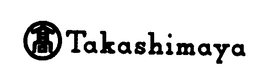
TAKASHIMAYA
Reviewed by CopyMark Law Group
Status 606
- Filing date
- Status date
- Registration date
- —
- Examiner
- COFIELD, JULIA
- Law office
- FILE REPOSITORY (FRANCONIA)
What this means
This page summarizes the public USPTO record for this serial number, including owners, goods and services, and prosecution history.
Need help with TAKASHIMAYA?
If you own this trademark, we can monitor new filings and help with USPTO deadlines. If you do not, we can file a new U.S. application.
Current trademark owner
Monitor this mark, or talk with CopyMark about this registration.
Not the owner?
File a new U.S. trademark application, or speak with our attorneys.
Owner
Osaka-shi, Osaka-fu, JP
Osaka-shi, Osaka-fu, JP
Attorney of record
The USPTO lists this attorney as the applicant's representative for correspondence on this application.
Arthur Schwartz
ARTHUR SCHWARTZ FOLEY & LARDNER3000 K ST NW STE 500P O BOX 25696WASHINGTON, DC 20007-8696Goods and services
| Class | Description | Status | First use |
|---|---|---|---|
| 003 | bleaching preparations for laundry use; fabric softeners for domestic use; laundry soaps; detergents; baby oil and bath oil; baby powder; talcum powder (for toilet use); toilet soaps; liquid soaps; deodorants; dentifrices; mouth washes (non-medicated); non-medicated preparations for the care of the skin, namely, skin lotion, milky lotion, skin cleansing cream, shaving lotion and shaving cream, cold cream, hand cream and lotion, lip cream, toilet water and toilet cream, suntan cream, anti-sunburn cream (cosmetic sunscreen), sun-tanning lotions being non-medicated toilet preparation; cosmetics, namely foundation makeup, powder for makeup, eau de cologne, lipstick, cheek rouge, perfume, eye shadow, nail enamel, nail polish and varnishes, nail enamel remover, face mask, mascara; preparations for cleaning conditioning and embellishing the hair, namely, hair lotions, shampoos, hair tonic, hair cream, pomade, color rinse, setting lotion, hair dye, hair spray, hair rinse; incense; sachets for perfuming linen, medicated and disinfectant soaps | ABANDONED | — |
| 006 | jars of metal, baskets for domestic use made of metal | ABANDONED | — |
| 008 | forks, kitchen knives, chopsticks, leather sheathes for cutlery, non-electric can openers | ABANDONED | — |
| 011 | heaters for feeding bottles (non-metallic) | ABANDONED | — |
| 014 | gold, silver, platinum and their alloys; jewelry or imitation jewelry; costume jewelry; candlesticks of precious metal, candle stands of precious metal, vases of precious metal; necklaces, brooches, earrings, rings, pendants, cuff buttons of precious metal and precious stones, tiepins all made of precious metals and incorporating a precious stone; badges made of precious metal and of a common metal; watches; clocks; watch bands; cuff links; bracelets of precious metal and precious stones | ABANDONED | — |
| 016 | cover for books, for cheques, and photographs; paper covers for covering letters and other papers, namely, wrapping paper, toilet paper, typewriter paper, printing paper, drawing paper, calligraphy paper, imitation leather paper, and waterproof paper; note cases sold empty; boxes and trays of leather or leather board for storing letters, pens, precious stones, photographs and cards; diary covers; stationery folders | ABANDONED | — |
| 018 | leather shoulder straps for luggage and handbags; hand bags, shoulder bags, rucksacks, trunks, suitcases, knapsacks, overnight bags (Boston bags), clutch bags, attache cases; pouches; umbrellas and parasols; canes, walking sticks; briefcases; coin purses; purses; pocketbooks; wallets; pocket wallets; vanity cases sold empty; trunks and travelling bags; valises; passport holders; billfolds; key cases, key holders; portable leather cases for storing and transporting toiletries, sold empty; leather cases for holding and protecting personal articles, for travel | ABANDONED | — |
| 020 | small chairs, clothes hangers, and pocket mirrors | ABANDONED | — |
| 021 | vacuum bottles; thermally insulated containers for food and liquid; cooking utensils, namely, walnut crackers not of precious metal, serving spoons, sugar pots, ice pails, salt shakers, chopping boards, shakers, non-electric cooking grills, bottle openers, household sifters, rice household scoops, lemon squeezers, household scoops, non-electric waffle irons, household sieves, rolling pins, and whisks; cooking pots and pans; bowls, saucers, plates, cups, pots, lunch boxes, decanters, jugs, pitchers, and dish covers; candy boxes; scrubbing brushes, floor cloths, dusters, mops, brooms, buckets, dustpans, and dust baskets; dustbins, trash cans and refuse bins; basins; baskets for domestic use made of wisteria, bamboo, wood and plastic; vases not of precious metal; hair combs; toilet utensils and cases, namely, combs, cream cases, cosmetic sponge, cosmetic brushes, compacts, soap cases, and perfume sprayers sold empty; puffs, tooth brushes, tooth brush cases, shaving brushes, hair brushes, lipstick brushes, eyelash curlers, eyelash brushes, and nail brushes; incense burners; candlesticks and candle stands not of precious metal; pails for bathing; tableware of china, porcelain or ceramic, namely, cups, plates, bowls, decanters, glasses, jugs and pots of china, porcelain or ceramic; iron pots; tea kettles, non-electric kettles; serving trays not of precious metals; pot stands; bottle openers; ornamental plates or dishes, vases, jars, small statuaries, and bric-a-brac of china, porcelain or ceramic; jars of glass and plastic | ABANDONED | — |
| 022 | leather cases for storage | ABANDONED | — |
| 025 | articles of clothing for men, women and children, namely, dresses, jackets, skirts, suits, pants, trousers, dress suits, smocks, coats, sweaters, cardigans, vests, sports shirts, blouses, white shirts, pajamas, negligees, nightgowns, bathrobes, camisoles, corsets, chemises, slips, underpants, brassieres, petticoats, swim suits and Japanese kimonos; knitwear comprising sweaters, skirts, jackets, suits, cardigans, and vests; coats; armbands (clothing); sport clothing, namely, anoraks, ground coats, Karate wear, namely, loose pants and cross-over top (traditional name, gi), Judo wear, namely, loose pants and cross-over top (traditional name, gi or dobok), Kendo wear, namely, long skirt (traditional name, hakama), parkas, ski wear; waterproof clothing, namely, waterproof pants, jackets, jumpers and suits; and stockings; suspenders; garters; underwear, pajamas, nightdresses, lingerie, hosiery, socks; gloves; neckties; mufflers; scarves; neckerchiefs and cravats; belts made of leather (for personal use); shawls; headwear, namely, nightcaps, hats, hoods and caps; baby clothing, namely, booties, cloth baby diapers, sweaters, pants, socks, dresses, nightshirts, overalls, bibs for babies, baby bunting, and bonnets; sock suspenders; aprons; footwear; sports shoes; slippers; and clothing made of fur, namely, stoles, jackets, coats, skirts, vests, gloves and hats | ABANDONED | — |
| 026 | embroidered badges made of fabric and printed fabric badges; necktie clasps | ABANDONED | — |
| 028 | baseball, football, ski and hockey helmets | ABANDONED | — |
| 029 | edible oils; soups; meat extracts; fish; lobster and squid crisps and smoked fish; crushed dried seafood; sushi, preserved meat, dried meat, canned meat, meat boiled down in soy, ham and bacon; dried laver; fruits being canned, cooked, stewed, preserved, dried or frozen; vegetables being canned, cooked, stewed, preserved, dried or frozen; potato products, namely mashed potatoes, sweet potatoes, and potato flour; "kamboko" (boiled fish pastes), "chikuwa" (boiled and grilled fish pastes) "hanpen" (cakes of pounded fish), sausages, and edible sea laver; preserved beans; soybeans preserved for food; jellies and premixes for making jellies for food; pickles; butter; cheese, margarine, milk, cream; yogurt; cream, cheese, margarine, milk-based lactic acid beverages, milk-based lactic acid bacterium beverages, powdered milk, condensed milk | ABANDONED | — |
| 030 | oat flakes, noodles, spaghetti, rice balls, vermicelli made from rice, cooked canned rice and rice cakes; coagulating agent for ice cream, stabilizing agent for whip cream and base for custard pudding; ice cream; vegetable sandwiches, egg sandwiches, ham sandwiches, and sandwiches consisting of a mixture of vegetables, egg and ham; pizzas, meat pie, ravioli, oatmeal, corn flakes, dried rice, and salad dressings | ABANDONED | — |
| 033 | sake, shochu (Japanese distilled spirits), vodka, gin, brandy, rum, wine, liqueur, samshu and plum wine | ABANDONED | — |
Related trademarks
CopyMark links this record to cited §2(d) serials, the owner's other marks, Nice classes, similar mark names, and recently changed USPTO applications.
- Other trademarks owned by Kabushiki Kaisha Takashimaya
- Other trademarks owned by Kabushiki Kaisha Takashimaya
- Other trademarks in Class 003
- Other trademarks in Class 006
- Other trademarks in Class 008
- Other trademarks in Class 011
- Other trademarks in Class 014
- Other trademarks in Class 016
- Other trademarks in Class 018
- Other trademarks in Class 020
- Other trademarks in Class 021
- Other trademarks in Class 022
- Other trademarks in Class 025
- Other trademarks in Class 026
- Other trademarks in Class 028
- Other trademarks in Class 029
- Other trademarks in Class 030
- Other trademarks in Class 033
- Similar marks named TAKASHIMAYA
- Prosecution event ABN6 explained
- Recently changed USPTO trademarks
- Recently filed trademarks
- Browse all trademark records
Prosecution history
| Date | Code | Event | What it means |
|---|---|---|---|
| Jul 22, 1997 | ABN6 | ABANDONMENT - NO USE STATEMENT FILED | The intent-to-use application was abandoned because no acceptable Statement of Use (or valid extension) was filed before the Notice of Allowance deadline expired. The application is dead unless revived within a limited window. |
| Jan 21, 1997 | NOAM | NOA MAILED - SOU REQUIRED FROM APPLICANT | A Notice of Allowance means your intent-to-use application cleared examination and opposition but is not registered yet. You must file a Statement of Use showing the mark in commerce, or request an extension, before the deadline — usually six months from the notice date. |
| Oct 29, 1996 | PUBO | PUBLISHED FOR OPPOSITION | Your mark was published in the USPTO Official Gazette for a 30-day opposition window. During that period, third parties who believe they would be harmed can file an opposition. If no opposition is filed, prosecution usually continues toward registration or a Notice of Allowance. |
| Sep 27, 1996 | NPUB | NOTICE OF PUBLICATION | — |
| Aug 29, 1996 | CNSA | APPROVED FOR PUB - PRINCIPAL REGISTER | — |
| Feb 12, 1996 | CNRT | NON-FINAL ACTION MAILED | A non-final Office Action means the USPTO examining attorney has raised at least one issue with your trademark application but has not made a final decision. You usually have three months to respond with arguments, amendments, or evidence. Missing the deadline can abandon the application. |
| Aug 28, 1995 | ZZZX | PREVIOUS ALLOWANCE COUNT WITHDRAWN | — |
| Mar 28, 1995 | CNSA | APPROVED FOR PUB - PRINCIPAL REGISTER | — |
| Dec 23, 1994 | CRFA | CORRESPONDENCE RECEIVED IN LAW OFFICE | — |
| Oct 24, 1994 | CNRT | NON-FINAL ACTION MAILED | A non-final Office Action means the USPTO examining attorney has raised at least one issue with your trademark application but has not made a final decision. You usually have three months to respond with arguments, amendments, or evidence. Missing the deadline can abandon the application. |
| Mar 2, 1994 | ZZZX | PREVIOUS ALLOWANCE COUNT WITHDRAWN | — |
| Feb 22, 1994 | CNSA | APPROVED FOR PUB - PRINCIPAL REGISTER | — |
| Dec 3, 1993 | CRFA | CORRESPONDENCE RECEIVED IN LAW OFFICE | — |
| Jun 3, 1993 | CNRT | NON-FINAL ACTION MAILED | A non-final Office Action means the USPTO examining attorney has raised at least one issue with your trademark application but has not made a final decision. You usually have three months to respond with arguments, amendments, or evidence. Missing the deadline can abandon the application. |
| Apr 6, 1993 | CRFA | CORRESPONDENCE RECEIVED IN LAW OFFICE | — |
| Oct 6, 1992 | CNRT | NON-FINAL ACTION MAILED | A non-final Office Action means the USPTO examining attorney has raised at least one issue with your trademark application but has not made a final decision. You usually have three months to respond with arguments, amendments, or evidence. Missing the deadline can abandon the application. |
| Dec 20, 1990 | DOCK | ASSIGNED TO EXAMINER | — |