
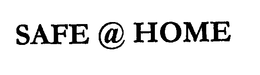
USPTO serial 76271110
SAFE @ HOME
Reviewed by CopyMark Law Group
- Filing date
- Status date
- Registration date
- —
- Examiner
- LEIPZIG, MARC J
- Law office
- FILE REPOSITORY (FRANCONIA)
What this means
These status codes mean the trademark application is abandoned and no longer pending. Common reasons include missing an Office Action response (600), filing without a valid basis (602), express abandonment by the applicant (604), or failure to respond to an examiner's inquiry (618). Revival may be possible in limited circumstances. If abandonment was unintentional, consult counsel about a petition to revive. Otherwise file a new application if protection is still needed.
Need help with SAFE @ HOME?
If you own this trademark, we can monitor new filings and help with USPTO deadlines. If you do not, we can file a new U.S. application.
Owner
Attorney of record
The USPTO lists this attorney as the applicant's representative for correspondence on this application.
Lance C. Venable
LANCE C VENABLE ELLIS & VENABLE101 N FIRST AVE STE 1875PHOENIX, AZ 85003UNITED STATESGoods and services
| Class | Description | Status | First use |
|---|---|---|---|
| 035 | Retail store services featuring the sale of childproofing latches, edge protectors, drawer locks, baby monitors, wireless cameras, baby strollers, hidden cameras, motion alarms, wireless lamp and appliance outlet controllers, personal door alarms, window sensor alarms, smoke and carbon monoxide detectors, digital tire gauges, automobile safety hammers, road strobe lights, auto flares, fire extinguishers, precision parking devices, emergency road kits, home escape ladders, explosive gas detectors, radon detectors, home safety videos, fire prevention videos, safe baby sitting videos, car seats, child safety gates, fireplace hearth gates, child barriers, bike helmets, skateboard knee and elbow protectors, pool alarms, personal and pet floatation devices, gun and jewelry cabinets, gun trigger locks, global positioning systems, night vision devices, heart rate monitors, blood pressure monitors, pedometers, solar powered radios, survival kits, hand-held two way radios, pepper spray, automatic defibrillators, sun protection cabanas, hand sanitizers, insect repellant, water purification units, personal lighting devices, weather radios, first aid kits, sleeping bags, emergency evacuation hoods, hearing protection devices, electronic compass watches and travel emergency safety kits | ACTIVE | — |
Related trademarks
CopyMark links this record to cited §2(d) serials, the owner's other marks, Nice classes, similar mark names, and recently changed USPTO applications.
Prosecution history
| Date | Code | Event | What it means |
|---|---|---|---|
| Jun 11, 2003 | TCCA | TEAS CHANGE OF CORRESPONDENCE RECEIVED | — |
| Mar 25, 2003 | ABN2 | ABANDONMENT - FAILURE TO RESPOND OR LATE RESPONSE | The trademark application was abandoned because a required response or document was not filed by the deadline — usually a missed Office Action response. The application is dead unless a petition to revive is granted within a limited time. |
| Jul 16, 2002 | CNRT | NON-FINAL ACTION MAILED | A non-final Office Action means the USPTO examining attorney has raised at least one issue with your trademark application but has not made a final decision. You usually have three months to respond with arguments, amendments, or evidence. Missing the deadline can abandon the application. |
| Mar 4, 2002 | CRFA | CORRESPONDENCE RECEIVED IN LAW OFFICE | — |
| Aug 30, 2001 | CNRT | NON-FINAL ACTION MAILED | A non-final Office Action means the USPTO examining attorney has raised at least one issue with your trademark application but has not made a final decision. You usually have three months to respond with arguments, amendments, or evidence. Missing the deadline can abandon the application. |
| Aug 14, 2001 | DOCK | ASSIGNED TO EXAMINER | — |