
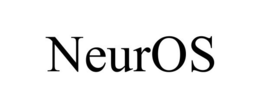
USPTO serial 98343598
NEUROS
Reviewed by CopyMark Law Group
- Filing date
- Status date
- Registration date
- —
- Examiner
- FOSTER, DAKOTA D
- Law office
- TMO LAW OFFICE 121
What this means
These status codes mean the trademark application is abandoned and no longer pending. Common reasons include missing an Office Action response (600), filing without a valid basis (602), express abandonment by the applicant (604), or failure to respond to an examiner's inquiry (618). Revival may be possible in limited circumstances. If abandonment was unintentional, consult counsel about a petition to revive. Otherwise file a new application if protection is still needed.
Need help with NEUROS?
If you own this trademark, we can monitor new filings and help with USPTO deadlines. If you do not, we can file a new U.S. application.
Owner
West Newton, MA
Attorney of record
The USPTO lists this attorney as the applicant's representative for correspondence on this application.
Jennifer Heisler Lavalley
Jennifer Heisler Lavalley GTC LAW GROUP PC & AFFILIATESOne University Ave., Ste 302BWestwood, MA 02090United StatesGoods and services
| Class | Description | Status | First use |
|---|---|---|---|
| 009 | Downloadable and recorded computer software development tools; downloadable and recorded computer operating system software; downloadable and recorded computer operating programs and computer operating systems; computer hardware with embedded operating system software; computer hardware with preinstalled operating system software; downloadable and recorded computer software for developing and running portable, scalable cognitive systems; downloadable electronic publications in the nature of magazines, newsletters, and white papers in the field of computers; downloadable electronic publications in the nature of magazines, newsletters, and white papers containing personalized content in the fields of computers and artificial intelligence based on readers' interests; downloadable mobile operating system software for mobile phones and downloadable mobile game software; downloadable mobile applications, namely, personal awareness and productivity software for collecting, tracking, storing, analyzing, predicting, and optimizing social, behavioral, contextual, and environmental preferences, patterns and usage; mobile phones; mobile computers; computer hardware; tactical robots; laboratory robots, teaching robots; humanoid robots with artificial intelligence for use in scientific research; downloadable and recorded software and computer hardware modules for monitoring, communicating with and controlling smart appliances, namely, household appliances that can communicate with or be monitored and controlled by other appliances or devices, namely, mobile or computing devices; home and office automation systems comprising wireless and wired controllers, controlled devices, and downloadable and recorded software for automating lighting, HVAC, security, and safety; downloadable and recorded software for work planning, tracking and prioritization, monitoring deadlines, mail sorting, performing research, and prioritizing, alerting, reading, summarizing, and annotating documents; building and security systems in the nature of downloadable and recorded software and computer hardware systems for collecting, tracking, storing, analyzing, predicting, and optimizing social, behavioral, contextual, and environmental preferences, patterns and usage; vehicle locating, tracking, and security systems comprised of display monitors, computers, image sensors, video cameras, and downloadable and recorded computer operating system software and downloadable and recorded computer application software to detect, monitor, notify, and respond to vehicle location, vehicle occupants, unusual patterns, and unauthorized uses; navigation apparatus for vehicles; safety and driving assistant systems for mobile vehicles and vessels comprised of electronic proximity sensors and switches, high-resolution cameras, integrated circuits for the purpose of imaging processing, and display monitors, and downloadable and recorded computer operating system software and downloadable and recorded computer application software for route planning and optimization, vehicle maintenance prediction, situational awareness, warnings, and safety actions | ACTIVE | — |
Related trademarks
CopyMark links this record to cited §2(d) serials, the owner's other marks, Nice classes, similar mark names, and recently changed USPTO applications.
Prosecution history
| Date | Code | Event | What it means |
|---|---|---|---|
| Dec 2, 2025 | MAB2 | ABANDONMENT NOTICE E-MAILED - FAILURE TO RESPOND | The trademark application was abandoned because a required response or document was not filed by the deadline — usually a missed Office Action response. The application is dead unless a petition to revive is granted within a limited time. |
| Dec 2, 2025 | ABN2 | ABANDONMENT - FAILURE TO RESPOND OR LATE RESPONSE | The trademark application was abandoned because a required response or document was not filed by the deadline — usually a missed Office Action response. The application is dead unless a petition to revive is granted within a limited time. |
| Aug 11, 2025 | XELG | APPLICATION EXTENSION GRANTED/RECEIPT PROVIDED | — |
| Aug 11, 2025 | XELR | APPLICATION EXTENSION TO RESPONSE PERIOD - RECEIVED | — |
| May 20, 2025 | GNRN | NOTIFICATION OF NON-FINAL ACTION E-MAILED | A non-final Office Action means the USPTO examining attorney has raised at least one issue with your trademark application but has not made a final decision. You usually have three months to respond with arguments, amendments, or evidence. Missing the deadline can abandon the application. |
| May 20, 2025 | GNRT | NON-FINAL ACTION E-MAILED | A non-final Office Action means the USPTO examining attorney has raised at least one issue with your trademark application but has not made a final decision. You usually have three months to respond with arguments, amendments, or evidence. Missing the deadline can abandon the application. |
| May 20, 2025 | CNRT | NON-FINAL ACTION WRITTEN | A non-final Office Action means the USPTO examining attorney has raised at least one issue with your trademark application but has not made a final decision. You usually have three months to respond with arguments, amendments, or evidence. Missing the deadline can abandon the application. |
| Feb 13, 2025 | TEME | TEAS/EMAIL CORRESPONDENCE ENTERED | — |
| Feb 13, 2025 | CRFA | CORRESPONDENCE RECEIVED IN LAW OFFICE | — |
| Feb 13, 2025 | TROA | TEAS RESPONSE TO OFFICE ACTION RECEIVED | This event means the applicant filed a response to a USPTO Office Action — typically arguments, amendments, or evidence addressing the examiner's objections. The USPTO will review the response and either allow the mark to proceed or issue another action. |
| Nov 12, 2024 | XELG | APPLICATION EXTENSION GRANTED/RECEIPT PROVIDED | — |
| Nov 12, 2024 | XELR | APPLICATION EXTENSION TO RESPONSE PERIOD - RECEIVED | — |
| Aug 16, 2024 | GNRN | NOTIFICATION OF NON-FINAL ACTION E-MAILED | A non-final Office Action means the USPTO examining attorney has raised at least one issue with your trademark application but has not made a final decision. You usually have three months to respond with arguments, amendments, or evidence. Missing the deadline can abandon the application. |
| Aug 16, 2024 | GNRT | NON-FINAL ACTION E-MAILED | A non-final Office Action means the USPTO examining attorney has raised at least one issue with your trademark application but has not made a final decision. You usually have three months to respond with arguments, amendments, or evidence. Missing the deadline can abandon the application. |
| Aug 16, 2024 | CNRT | NON-FINAL ACTION WRITTEN | A non-final Office Action means the USPTO examining attorney has raised at least one issue with your trademark application but has not made a final decision. You usually have three months to respond with arguments, amendments, or evidence. Missing the deadline can abandon the application. |
| Aug 1, 2024 | DOCK | ASSIGNED TO EXAMINER | — |
| Apr 22, 2024 | NWOS | NEW APPLICATION OFFICE SUPPLIED DATA ENTERED | — |
| Jan 5, 2024 | NWAP | NEW APPLICATION ENTERED | — |