
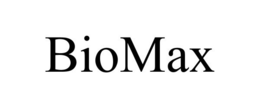
USPTO serial 98926671
BIOMAX
Reviewed by CopyMark Law Group
- Filing date
- Status date
- Registration date
- —
- Examiner
- KOPENSKI, CLAUDIA ANN
- Law office
- TMO LAW OFFICE 129
What this means
These status codes mean the trademark application is abandoned and no longer pending. Common reasons include missing an Office Action response (600), filing without a valid basis (602), express abandonment by the applicant (604), or failure to respond to an examiner's inquiry (618). Revival may be possible in limited circumstances. If abandonment was unintentional, consult counsel about a petition to revive. Otherwise file a new application if protection is still needed.
Need help with BIOMAX?
If you own this trademark, we can monitor new filings and help with USPTO deadlines. If you do not, we can file a new U.S. application.
Owner
Burlington, VT, US
Goods and services
| Class | Description | Status | First use |
|---|---|---|---|
| 001 | Fertilizers, namely, organic fertilizers; fertilizers derived from and comprising organic digestate, processed through anaerobic digestion; algal biomass and algal extracts, namely, macroalgal and microalgal extracts; microbial biomass, comprised of live and inactive bacterial, yeast, fungal, and archaeal biomass; all of the foregoing expressly excluding "vermicompost extract" and "compost with peat moss and manure"; fertilizers and biostimulants being plant growth stimulants in solid, liquid, and encapsulated form, namely, granular, pelletized, powder, suspension, concentrate, and solution formulations; biostimulants for plants, namely, plant growth stimulants in the nature of algal biomass or extracts; polysaccharide-based biostimulants being plant growth stimulants; agricultural biologicals for enhancing plant growth and soil health, being fertilizers and biostimulants being plant growth stimulants, featuring non-pesticidal microbial, biochemical, and botanical formulations used to stimulate plant processes, nutrient uptake, and stress tolerance; nutritive additive to enhance the biological activity of water, soil, seeds, and plants for purposes of fertilization and bioremediation of pollutants; seaweed extract for use as a growth stimulant on plants; seaweeds for use as a fertilizer; peat fertilizers; phosphate fertilizers; nitrogenous fertilizers; multi-nutrient fertilizers; mixed fertilizers; mineral fertilizers; hydroponic fertilizers; grass fertilizers; controlled-release fertilizers for gardening; plant fertilizers; fertilizers for household plants; fertilizers for domestic use; fertilizers for agricultural use | ACTIVE | Jun 28, 2024 |
| 005 | Pesticides; Pesticides for agricultural use; Pesticides for plant growth use; Agricultural pesticides; Biocides, germicides, bactericides, virucides, fungicides, insecticides, pesticides and herbicides; Domestic pesticides; Herbicides, insecticides, pesticides and fungicides for home, garden and lawn use and for professional use | ACTIVE | — |
Related trademarks
CopyMark links this record to cited §2(d) serials, the owner's other marks, Nice classes, similar mark names, and recently changed USPTO applications.
Prosecution history
| Date | Code | Event | What it means |
|---|---|---|---|
| Mar 11, 2026 | MAB2 | ABANDONMENT NOTICE E-MAILED - FAILURE TO RESPOND | The trademark application was abandoned because a required response or document was not filed by the deadline — usually a missed Office Action response. The application is dead unless a petition to revive is granted within a limited time. |
| Mar 11, 2026 | ABN2 | ABANDONMENT - FAILURE TO RESPOND OR LATE RESPONSE | The trademark application was abandoned because a required response or document was not filed by the deadline — usually a missed Office Action response. The application is dead unless a petition to revive is granted within a limited time. |
| Nov 25, 2025 | GNFN | NOTIFICATION OF FINAL REFUSAL EMAILED | — |
| Nov 25, 2025 | GNFR | FINAL REFUSAL E-MAILED | A final Office Action (final refusal) means the examining attorney is maintaining at least one refusal and your options are narrower. You can file a response addressing the refusal, appeal to the Trademark Trial and Appeal Board, or let the application abandon. |
| Nov 25, 2025 | CNFR | FINAL REFUSAL WRITTEN | A final Office Action (final refusal) means the examining attorney is maintaining at least one refusal and your options are narrower. You can file a response addressing the refusal, appeal to the Trademark Trial and Appeal Board, or let the application abandon. |
| Oct 27, 2025 | TEME | TEAS/EMAIL CORRESPONDENCE ENTERED | — |
| Oct 27, 2025 | CRFA | CORRESPONDENCE RECEIVED IN LAW OFFICE | — |
| Oct 27, 2025 | TROA | TEAS RESPONSE TO OFFICE ACTION RECEIVED | This event means the applicant filed a response to a USPTO Office Action — typically arguments, amendments, or evidence addressing the examiner's objections. The USPTO will review the response and either allow the mark to proceed or issue another action. |
| Oct 9, 2025 | GNRN | NOTIFICATION OF NON-FINAL ACTION E-MAILED | A non-final Office Action means the USPTO examining attorney has raised at least one issue with your trademark application but has not made a final decision. You usually have three months to respond with arguments, amendments, or evidence. Missing the deadline can abandon the application. |
| Oct 9, 2025 | GNRT | NON-FINAL ACTION E-MAILED | A non-final Office Action means the USPTO examining attorney has raised at least one issue with your trademark application but has not made a final decision. You usually have three months to respond with arguments, amendments, or evidence. Missing the deadline can abandon the application. |
| Oct 9, 2025 | CNRT | NON-FINAL ACTION WRITTEN | A non-final Office Action means the USPTO examining attorney has raised at least one issue with your trademark application but has not made a final decision. You usually have three months to respond with arguments, amendments, or evidence. Missing the deadline can abandon the application. |
| Sep 12, 2025 | TEME | TEAS/EMAIL CORRESPONDENCE ENTERED | — |
| Sep 11, 2025 | CRFA | CORRESPONDENCE RECEIVED IN LAW OFFICE | — |
| Sep 11, 2025 | TROA | TEAS RESPONSE TO OFFICE ACTION RECEIVED | This event means the applicant filed a response to a USPTO Office Action — typically arguments, amendments, or evidence addressing the examiner's objections. The USPTO will review the response and either allow the mark to proceed or issue another action. |
| Jun 12, 2025 | GNRN | NOTIFICATION OF NON-FINAL ACTION E-MAILED | A non-final Office Action means the USPTO examining attorney has raised at least one issue with your trademark application but has not made a final decision. You usually have three months to respond with arguments, amendments, or evidence. Missing the deadline can abandon the application. |
| Jun 12, 2025 | GNRT | NON-FINAL ACTION E-MAILED | A non-final Office Action means the USPTO examining attorney has raised at least one issue with your trademark application but has not made a final decision. You usually have three months to respond with arguments, amendments, or evidence. Missing the deadline can abandon the application. |
| Jun 12, 2025 | CNRT | NON-FINAL ACTION WRITTEN | A non-final Office Action means the USPTO examining attorney has raised at least one issue with your trademark application but has not made a final decision. You usually have three months to respond with arguments, amendments, or evidence. Missing the deadline can abandon the application. |
| Jun 11, 2025 | DOCK | ASSIGNED TO EXAMINER | — |
| Apr 28, 2025 | NWOS | NEW APPLICATION OFFICE SUPPLIED DATA ENTERED | — |
| Dec 29, 2024 | NWAP | NEW APPLICATION ENTERED | — |