
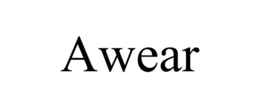
USPTO serial 99704106
AWEAR
Reviewed by CopyMark Law Group
Status 641Office Action
- Filing date
- Status date
- Registration date
- —
- Examiner
- BARREDA, AMBER KYLEE
- Law office
- TMEG LAW OFFICE 103
What this means
The USPTO has issued an Office Action on this application. A response is typically required before the deadline, or the application can be abandoned.
Need help with AWEAR?
If you own this trademark, we can monitor new filings and help with USPTO deadlines. If you do not, we can file a new U.S. application.
Current trademark owner
Get help with this Office Action, set up monitoring, or talk with CopyMark.
Not the owner?
File a new U.S. trademark application, or speak with our attorneys.
Owner
Wilmington, DE, US
Attorney of record
The USPTO lists this attorney as the applicant's representative for correspondence on this application.
MARK A LERNER
MARK A LERNER Duane Morris LLP22 Vanderbilt335 Madison Avenue - 23rd FloorNew York, NY 10017Goods and services
| Class | Description | Status | First use |
|---|---|---|---|
| 042 | Hardware design; Providing temporary use of online non-downloadable software development kits (SDKs); Cloud computing; Cloud computing services; Cloud hosting provider services; Cloud-based data protection services; Cloud storage services for electronic data; Cloud storage services for electronic files; Cloud storage services for electronic data lakes; Providing virtual computer environments through cloud computing; Consulting services in the field of cloud computing; Providing virtual computer systems through cloud computing; Consulting in the field of cloud computing networks and applications; Design and development of operating software for cloud computing networks; Programming of operating software for accessing and using a cloud computing network; Design and development of operating software for accessing and using a cloud computing network; Providing temporary use of online non-downloadable software for accessing and using a cloud computing network; Providing temporary use of on-line non-downloadable operating software for accessing and using a cloud computing network. | ACTIVE | — |
Related trademarks
CopyMark links this record to cited §2(d) serials, the owner's other marks, Nice classes, similar mark names, and recently changed USPTO applications.
Prosecution history
| Date | Code | Event | What it means |
|---|---|---|---|
| Aug 5, 2026 | GNRN | NOTIFICATION OF NON-FINAL ACTION E-MAILED | A non-final Office Action means the USPTO examining attorney has raised at least one issue with your trademark application but has not made a final decision. You usually have three months to respond with arguments, amendments, or evidence. Missing the deadline can abandon the application. |
| Aug 5, 2026 | GNRT | NON-FINAL ACTION E-MAILED | A non-final Office Action means the USPTO examining attorney has raised at least one issue with your trademark application but has not made a final decision. You usually have three months to respond with arguments, amendments, or evidence. Missing the deadline can abandon the application. |
| Aug 5, 2026 | CNRT | NON-FINAL ACTION WRITTEN | A non-final Office Action means the USPTO examining attorney has raised at least one issue with your trademark application but has not made a final decision. You usually have three months to respond with arguments, amendments, or evidence. Missing the deadline can abandon the application. |
| Jul 16, 2026 | DOCK | ASSIGNED TO EXAMINER | — |
| Jul 15, 2026 | NWOS | NEW APPLICATION OFFICE SUPPLIED DATA ENTERED | — |
| Mar 16, 2026 | MAFR | APPLICATION FILING RECEIPT MAILED | — |
| Mar 16, 2026 | NWAP | NEW APPLICATION ENTERED | — |