
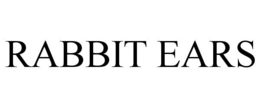
USPTO serial 50002517
RABBIT EARS
Reviewed by CopyMark Law Group
- Filing date
- Status date
- Registration date
- —
- Examiner
- —
- Law office
- —
What this means
Status 630 means your trademark application is in the USPTO queue and has not yet been assigned to an examining attorney. This is normal shortly after filing. Examination typically begins within three to four months, though timing varies. Wait for assignment and the first examiner action. Monitor TSDR monthly for status changes to 638 (assigned) or an office action.
Need help with RABBIT EARS?
If you own this trademark, we can monitor new filings and help with USPTO deadlines. If you do not, we can file a new U.S. application.
Owner
Milsons Point, AU
Attorney of record
The USPTO lists this attorney as the applicant's representative for correspondence on this application.
Damon A. Neagle
Damon A. Neagle Saxton & Stump, LLC1575 Pond RoadSuite 201Allentown, PA 18104Goods and services
| Class | Description | Status | First use |
|---|---|---|---|
| 008 | Hand operated hand tools for fencing; hand operated hand tools for rural fencing; hand operated hand tools for grabbing wire; hand operated wire grabbers for rural fencing formed predominantly from wire; parts and accessories for all the foregoing | ACTIVE | — |
Related trademarks
CopyMark links this record to cited §2(d) serials, the owner's other marks, Nice classes, similar mark names, and recently changed USPTO applications.
Prosecution history
| Date | Code | Event | What it means |
|---|---|---|---|
| Jul 20, 2026 | MAFR | APPLICATION FILING RECEIPT MAILED | — |
| Jul 20, 2026 | NWOS | NEW APPLICATION OFFICE SUPPLIED DATA ENTERED | — |
| Jul 20, 2026 | NWAP | NEW APPLICATION ENTERED | — |