
USPTO serial 73251413
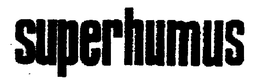
SUPERHUMUS
Reviewed by CopyMark Law Group
Status 601
- Filing date
- Status date
- Registration date
- —
- Examiner
- STRASER, RICHARD
- Law office
- FILE REPOSITORY (FRANCONIA)
What this means
This page summarizes the public USPTO record for this serial number, including owners, goods and services, and prosecution history.
Need help with SUPERHUMUS?
If you own this trademark, we can monitor new filings and help with USPTO deadlines. If you do not, we can file a new U.S. application.
Current trademark owner
Monitor this mark, or talk with CopyMark about this registration.
Not the owner?
File a new U.S. trademark application, or speak with our attorneys.
Owner
SF-00520 HELSINKI 52, FI
Attorney of record
The USPTO lists this attorney as the applicant's representative for correspondence on this application.
MARGARET FRENKEL GOLDSTEIN
750 3RD AVE. WEISS DAWID FROSS ZELNICK & LEHRMAN, PCNEW YORK, NY 10017UNITED STATESGoods and services
| Class | Description | Status | First use |
|---|---|---|---|
| 001 | FERTILIZER | ABANDONED | — |
Related trademarks
CopyMark links this record to cited §2(d) serials, the owner's other marks, Nice classes, similar mark names, and recently changed USPTO applications.
Prosecution history
| Date | Code | Event | What it means |
|---|---|---|---|
| Jul 13, 1988 | ABN1 | ABANDONMENT - EXPRESS MAILED | — |
| Jun 27, 1988 | CRFA | CORRESPONDENCE RECEIVED IN LAW OFFICE | — |
| Apr 2, 1988 | CNSL | LETTER OF SUSPENSION MAILED | — |
| Mar 7, 1988 | CRFA | CORRESPONDENCE RECEIVED IN LAW OFFICE | — |
| Sep 1, 1987 | CNRT | NON-FINAL ACTION MAILED | A non-final Office Action means the USPTO examining attorney has raised at least one issue with your trademark application but has not made a final decision. You usually have three months to respond with arguments, amendments, or evidence. Missing the deadline can abandon the application. |
| Jun 23, 1987 | CNSL | LETTER OF SUSPENSION MAILED | — |
| Jun 22, 1987 | CNEA | EXAMINERS AMENDMENT MAILED | — |
| Mar 2, 1987 | CNRT | NON-FINAL ACTION MAILED | A non-final Office Action means the USPTO examining attorney has raised at least one issue with your trademark application but has not made a final decision. You usually have three months to respond with arguments, amendments, or evidence. Missing the deadline can abandon the application. |
| Sep 30, 1986 | CNSL | LETTER OF SUSPENSION MAILED | — |
| Jun 26, 1986 | CNSL | LETTER OF SUSPENSION MAILED | — |
| Jun 24, 1986 | PETG | PETITION TO REVIVE-GRANTED | — |
| May 27, 1986 | PETR | PETITION TO REVIVE-RECEIVED | — |
| May 15, 1986 | ABN2 | ABANDONMENT - FAILURE TO RESPOND OR LATE RESPONSE | The trademark application was abandoned because a required response or document was not filed by the deadline — usually a missed Office Action response. The application is dead unless a petition to revive is granted within a limited time. |
| Sep 24, 1985 | CNRT | NON-FINAL ACTION MAILED | A non-final Office Action means the USPTO examining attorney has raised at least one issue with your trademark application but has not made a final decision. You usually have three months to respond with arguments, amendments, or evidence. Missing the deadline can abandon the application. |
| Apr 17, 1985 | CNSL | LETTER OF SUSPENSION MAILED | — |
| Nov 6, 1984 | CNRT | NON-FINAL ACTION MAILED | A non-final Office Action means the USPTO examining attorney has raised at least one issue with your trademark application but has not made a final decision. You usually have three months to respond with arguments, amendments, or evidence. Missing the deadline can abandon the application. |
| May 8, 1984 | CNSL | LETTER OF SUSPENSION MAILED | — |
| Mar 29, 1984 | CRFA | CORRESPONDENCE RECEIVED IN LAW OFFICE | — |
| Mar 29, 1984 | CNRT | NON-FINAL ACTION MAILED | A non-final Office Action means the USPTO examining attorney has raised at least one issue with your trademark application but has not made a final decision. You usually have three months to respond with arguments, amendments, or evidence. Missing the deadline can abandon the application. |
| Oct 14, 1983 | CNSL | LETTER OF SUSPENSION MAILED | — |
| Aug 12, 1983 | CRFA | CORRESPONDENCE RECEIVED IN LAW OFFICE | — |
| Dec 23, 1980 | CNRT | NON-FINAL ACTION MAILED | A non-final Office Action means the USPTO examining attorney has raised at least one issue with your trademark application but has not made a final decision. You usually have three months to respond with arguments, amendments, or evidence. Missing the deadline can abandon the application. |
| Nov 18, 1980 | DOCK | ASSIGNED TO EXAMINER | — |
| Jul 8, 1980 | DOCK | ASSIGNED TO EXAMINER | — |