
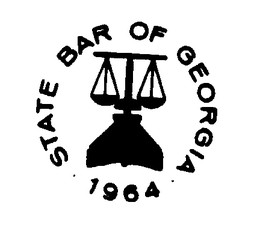
USPTO serial 74230903
STATE BAR OF GEORGIA 1964
Reviewed by CopyMark Law Group
- Filing date
- Status date
- Registration date
- —
- Examiner
- KULICK, LIZBETH B
- Law office
- FILE REPOSITORY (FRANCONIA)
What this means
These status codes mean the trademark application is abandoned and no longer pending. Common reasons include missing an Office Action response (600), filing without a valid basis (602), express abandonment by the applicant (604), or failure to respond to an examiner's inquiry (618). Revival may be possible in limited circumstances. If abandonment was unintentional, consult counsel about a petition to revive. Otherwise file a new application if protection is still needed.
Need help with STATE BAR OF GEORGIA 1964?
If you own this trademark, we can monitor new filings and help with USPTO deadlines. If you do not, we can file a new U.S. application.
Owner
Attorney of record
The USPTO lists this attorney as the applicant's representative for correspondence on this application.
J. Rodgers Lunsford
J RODGERS LUNSFORD P O DRAWER 56527JONES, ASKEW & LUNSFORDATLANTA, GA 30343-0527UNITED STATESGoods and services
| Class | Description | Status | First use |
|---|---|---|---|
| 016 | printed matter; namely, quarlterly magazines bi-monthly newspapers, annual membership directories, and informational and educational handbooks, brochures, pamphlets and newsletters | ABANDONED | Jan 2, 1964 |
| 041 | education services; namely, conducting classes and seminars in the field of law | ABANDONED | Jan 2, 1964 |
| 042 | miscellaneous services, including the professional services of organizing and sponsoring annual and midyear meetings of the membership, providing confidential alcohol and chemical dependency counseling monitoring legislative activities, and issuing informal advisory opinions regarding members' ethical activities; and the public services of handling grievances against attorneys, arbitrating disputes regarding attorneys' fees, preparing soon-to-be-released prison inmates for their return to society, providing a security fund which repays persons sustaining loss due to a Georgia attorney's dishonest conduct, conducting polls which evaluate attorneys' responses to judicial candidates' qualifications, providing legal services for the poor, sponsoring programs coinciding with the national observance of Law Day, and distributing easy-to-understand legal pamphlets to the general public | ABANDONED | Jan 2, 1964 |
Related trademarks
CopyMark links this record to cited §2(d) serials, the owner's other marks, Nice classes, similar mark names, and recently changed USPTO applications.
Prosecution history
| Date | Code | Event | What it means |
|---|---|---|---|
| Nov 13, 1992 | ABN2 | ABANDONMENT - FAILURE TO RESPOND OR LATE RESPONSE | The trademark application was abandoned because a required response or document was not filed by the deadline — usually a missed Office Action response. The application is dead unless a petition to revive is granted within a limited time. |
| Mar 16, 1992 | CNRT | NON-FINAL ACTION MAILED | A non-final Office Action means the USPTO examining attorney has raised at least one issue with your trademark application but has not made a final decision. You usually have three months to respond with arguments, amendments, or evidence. Missing the deadline can abandon the application. |
| Mar 4, 1992 | DOCK | ASSIGNED TO EXAMINER | — |