
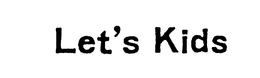
USPTO serial 74616163
LET'S KIDS
Reviewed by CopyMark Law Group
- Filing date
- Status date
- Registration date
- Jan 11, 2000
- Examiner
- COWARD, JEFFERY
- Law office
- PUBLICATION AND ISSUE SECTION
What this means
Status 710 means the registration was cancelled because a required Section 8 declaration of continued use was not filed within the deadline (including any grace period). The federal registration is no longer active. Evaluate filing a new application if you still use the mark, or petition if cancellation was erroneous. Consult counsel on remaining common-law rights.
Need help with LET'S KIDS?
If you own this trademark, we can monitor new filings and help with USPTO deadlines. If you do not, we can file a new U.S. application.
Owner
Kobe, JP
KOBE, JP
KOBE, JP
KOBE, JP
Attorney of record
The USPTO lists this attorney as the applicant's representative for correspondence on this application.
PERLA M KUHN
PERLA M KUHN HUGHES HUBBARD & REED LLP1 BATTERY PARK PLZNEW YORK, NY 10004-1482UNITED STATESGoods and services
| Class | Description | Status | First use |
|---|---|---|---|
| 016 | papers, namely, foreign paper consisting of printing papers, Indian papers, carbon papers, glassine papers, newsprint papers, blotters, typewriting papers, toilet papers, writing and drawing papers, gift wrapping papers, rice papers, parchment papers, packaging containers of paper, ivory colored paper boards, colored paper boards, straw paper boards, white paper boards, core paper boards, corrugated paper boards, cover papers, postcard papers, Japanese papers consisting of papers for use with hotbed, kasagami (oiled paper for Japanese paper umbrellas) gunpowder wrapping papers, ganpishi (silky Japanese tissue paper), Japanese handicraft papers, kohzogami (papers made from paper-mulberry trees), papers for stock certificates shohjigami (papers for Japanese sliding doors) calligraphy papers, senkaski (Japanese regenerated paper), coarse toilet paper, tengujohsi (thin Japanese paper from mulberry), stencil papers, Torinokogami (yellow Japanese vellum) paper napkins, duplicating papers, hohshogami (thick, white Japanese paper for ceremonial use), filter papers, converted papers, namely, paper laces, imitation leather papers, perforated notecards, acid proof papers, corrugated paperboards, fusumagami, (papers for Japanese sliding partitions), fireproof papers, moldproof papers, waterproof papers, anti-rust papers, and oilproof papers, all for commercial packaging; luminous papers, cellophane papers, synthetic papers, packaging containers of paper, namely, boxes of paper, paper bags, corrugated cardboard boxes, fiberboard boxes, food wrapping film for household use, garbage bags of paper, garbage bags of plastic, baggage labels, printed matter, namely, picture postcards, sheet music, song books, calendars, magazines, books, pamphlets and newspapers, featuring fashions, housekeeping and healthcare, printed timetables, maps, geographical maps, diaries, Japanese and Chinese art of calligraphy and paintings, namely, pictures, scrolls, and engravings, mounted and unmounted photographs, photograph stands, namely, a table/desk mounted stand for photographs, stationery, iron-on transfers, temporary tattoos, origami (sheets of paper for folding), cut out pictures, coloring books, modeling clay, sheets of colored construction paper and catalogues featuring clothing and household items | SECTION 8 - CANCELLED | — |
| 028 | video game machines, namely, Japanese pinball machines, pachinko machines, namely, Japanese pinball machines; Japanese chess sets, Japanese board games, conjuring apparatus, namely, a tool used in a magic trick, dominoes, mahjongg equipment, toys, namely, toy clocks, toy watches, roller toys, namely, manually driven toy cars, toy trains, spring-driven toys, namely, wind up crawling dolls, wind up toy cars, electrically-driven toys, namely, battery operated toy telephones, toys for domestic pets, fishing tackle sets, electrically driven toy locomotives, movable toys driven by inertial force generated by manually-operated fly-wheels, namely, toy fire engines with a fly-wheel, toy brooches, toy whistles, lever-actuated mechanical toys, wooden or bamboo toys, namely, wood piece toys, namely, toy bricks, battledore paddles, jigsaw puzzles, hollow toy models, namely, hollow model cars, model ships, toy houses, wood lathed toys, namely, tops, cup and ball games, paper balloons, dress up dolls of paper, chiyogami (figured sheets of paper), plush toys, stuffed toys, plastic toys, namely, celluloid toys formed by pressing sheet materials submerged in hot water into desired shapes, namely, toy costume masks, table-tennis balls, baby rattles, spring driven, wind-up toys, inflatable toys, namely, inflatable animals, hollow toys formed by blowforming, namely, hollow toy fish, hollow dolls, rubber toys, namely, molded hollow rubber toys in the nature of toy water pistols, rubber playground balls, rubber action balls, film toys, namely, rubber balloons, inflatable toy formed of bonded pieces of rubber sheet or film musical toys, namely, toy music boxes, toy glockenspiels, toy harmonicas, toy pianos, toy xylophones, toy sets, namely, construction toy sets, carpentry toy sets, housekeeping toy sets, engi-kumade (toy rakes), beanbags, marbles, toy pistols, toys costume masks, dolls made of millet stalk, toy Christmas trees, fishing tackle, namely, koi-nobori (carp streamers) manpower driven play scooters, four-wheeled play cars for infants, kites, hagoita (battledore paddles), shuttle-cocks for hagoita play, menashi-daruma (Dharma dolls with blank eyes), rocking horses, non-riding toy tricycles, portable, folding bathing pools for infants, and action skill games in the nature of a ring toss game and dolls | SECTION 8 - CANCELLED | — |
Related trademarks
CopyMark links this record to cited §2(d) serials, the owner's other marks, Nice classes, similar mark names, and recently changed USPTO applications.
- Other trademarks owned by Felissimo Corporation
- Other trademarks owned by FELISSIMO CORPORATION
- Other trademarks owned by FELISSIMO CORPORATION
- Other trademarks owned by FELISSIMO CORPORATION
- Other trademarks in Class 016
- Other trademarks in Class 028
- Similar marks named LET'S KIDS
- Recently changed USPTO trademarks
- Recently filed trademarks
- Browse all trademark records
Prosecution history
| Date | Code | Event | What it means |
|---|---|---|---|
| Oct 14, 2006 | C8.. | CANCELLED SEC. 8 (6-YR) | — |
| Jan 11, 2000 | R.PR | REGISTERED-PRINCIPAL REGISTER | Your trademark is registered on the Principal Register — the strongest form of federal trademark protection. You may use the ® symbol for the covered goods and services. Maintenance filings (Section 8 and renewals) are required to keep the registration alive. |
| Oct 19, 1999 | PUBO | PUBLISHED FOR OPPOSITION | Your mark was published in the USPTO Official Gazette for a 30-day opposition window. During that period, third parties who believe they would be harmed can file an opposition. If no opposition is filed, prosecution usually continues toward registration or a Notice of Allowance. |
| Sep 17, 1999 | NPUB | NOTICE OF PUBLICATION | — |
| Aug 6, 1999 | NPUB | NOTICE OF PUBLICATION | — |
| May 11, 1999 | CNSA | APPROVED FOR PUB - PRINCIPAL REGISTER | — |
| Apr 16, 1999 | CNEA | EXAMINER'S AMENDMENT MAILED | — |
| Mar 4, 1999 | ZZZY | PREVIOUS ACTION COUNT WITHDRAWN | — |
| Oct 21, 1997 | CNSI | INQUIRY AS TO SUSPENSION MAILED | — |
| Apr 15, 1997 | CNSL | LETTER OF SUSPENSION MAILED | — |
| Apr 15, 1997 | DOCK | ASSIGNED TO EXAMINER | — |
| Mar 24, 1997 | CRFA | CORRESPONDENCE RECEIVED IN LAW OFFICE | — |
| Oct 17, 1996 | CNRT | NON-FINAL ACTION MAILED | A non-final Office Action means the USPTO examining attorney has raised at least one issue with your trademark application but has not made a final decision. You usually have three months to respond with arguments, amendments, or evidence. Missing the deadline can abandon the application. |
| Sep 20, 1996 | CNSL | LETTER OF SUSPENSION MAILED | — |
| Aug 15, 1996 | CRFA | CORRESPONDENCE RECEIVED IN LAW OFFICE | — |
| Feb 13, 1996 | CNRT | NON-FINAL ACTION MAILED | A non-final Office Action means the USPTO examining attorney has raised at least one issue with your trademark application but has not made a final decision. You usually have three months to respond with arguments, amendments, or evidence. Missing the deadline can abandon the application. |
| Jan 3, 1996 | DOCK | ASSIGNED TO EXAMINER | — |
| Nov 16, 1995 | CRFA | CORRESPONDENCE RECEIVED IN LAW OFFICE | — |
| May 12, 1995 | CNRT | NON-FINAL ACTION MAILED | A non-final Office Action means the USPTO examining attorney has raised at least one issue with your trademark application but has not made a final decision. You usually have three months to respond with arguments, amendments, or evidence. Missing the deadline can abandon the application. |
| May 8, 1995 | DOCK | ASSIGNED TO EXAMINER | — |