
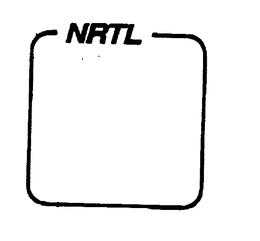
USPTO serial 74701250
NRTL
Reviewed by CopyMark Law Group
- Filing date
- Status date
- Registration date
- —
- Examiner
- MULLEN, MARK
- Law office
- FILE REPOSITORY (FRANCONIA)
What this means
These status codes mean the trademark application is abandoned and no longer pending. Common reasons include missing an Office Action response (600), filing without a valid basis (602), express abandonment by the applicant (604), or failure to respond to an examiner's inquiry (618). Revival may be possible in limited circumstances. If abandonment was unintentional, consult counsel about a petition to revive. Otherwise file a new application if protection is still needed.
Need help with NRTL?
If you own this trademark, we can monitor new filings and help with USPTO deadlines. If you do not, we can file a new U.S. application.
Owner
Attorney of record
The USPTO lists this attorney as the applicant's representative for correspondence on this application.
James M. Estep
ROBERT G HILTON COMMERCIAL LITIGATION BRANCH CIVILDIVISIONDEPT OF JUSTICEWASHINGTON, DC 20530Goods and services
| Class | Description | Status | First use |
|---|---|---|---|
| A | acetylene apparatus, namely, torches, regulators or pressure-reducing valves, generators (stationary and portable), and manifolds; acetylene generator compressor or booster system; approved acetylene piping protective devices; automatic fire detection devices and equipment; automatic shut-off devices for liquefied petroleum gas heaters including salamanders; automatic sprinkler systems; automotive and marine service station dispensing units and latch-open devices for dispensing units; check valves for flammable or combustible liquids; appurtenance for storing and handling anhydrous ammonia, namely, pumps, compressors,safety relief devices, liquid-level gaging devices; valves and pressure gages; electrical conductors and equipment; electrostatic fluidized beds and associated equipment, electrostatic fluidized beds and associated equipment; electrostatic hand spray apparatus and devices; employee alarm systems; exit components; fire doors; fixed electrostatic apparatus and devices for coating operations; fixed extinguishing systems components and agents; fixed extinguishing systems, namely, dry chemical, water spray, foam, and gaseous agent extinguishers; flame arresters for flammable or combustible liquids; flexible connectors for flammable liquid and liquefied petroleum gas, namely, piping, valves, and fittings; flexible connectors, namely piping, valves, and fittings; heat-actuated closing devices for dip tanks; hoisting machines and supports for scaffolds; hoses for flammable or combustible liquids; liquiefied petroleum gas container assemblies and storage and handling systems (containers, cylinders); manifolds, separate for each component part or as an assembled unit; mechanical or gravity ventilation systems (automotive service station dispensing area); commercial and industrial liquefied petroleum gas-consuming appliances; portabel fire extinguishers; portable tanks for flammable or combustible liquids; powered industrial truck liquefied petroleum gas conversion equipment; powered industrial trucks for hazardous material; pumps for dispensing liquids; safety cans for flammable or combustible liquids; scaffolding and power or manually operated adjustable suspension scaffold; faucets for dispensing liquids; self-closing fire doors; spray-booth overspray filters; and windows and frames for window frames | ABANDONED | — |
Related trademarks
CopyMark links this record to cited §2(d) serials, the owner's other marks, Nice classes, similar mark names, and recently changed USPTO applications.
Prosecution history
| Date | Code | Event | What it means |
|---|---|---|---|
| Nov 3, 1997 | OP.T | OPPOSITION TERMINATED NO. 999999 | — |
| Nov 3, 1997 | OP.S | OPPOSITION SUSTAINED NO. 999999 | — |
| Nov 3, 1997 | OP.T | OPPOSITION TERMINATED NO. 999999 | — |
| Nov 3, 1997 | OP.S | OPPOSITION SUSTAINED NO. 999999 | — |
| Nov 3, 1997 | ABN4 | ABANDONMENT - AFTER INTER PARTES DECISION | — |
| Aug 14, 1997 | OP.I | OPPOSITION INSTITUTED NO. 999999 | — |
| Jun 20, 1997 | OP.I | OPPOSITION INSTITUTED NO. 999999 | — |
| Apr 24, 1997 | ETOF | EXTENSION OF TIME TO OPPOSE RECEIVED | — |
| Apr 1, 1997 | PUBO | PUBLISHED FOR OPPOSITION | Your mark was published in the USPTO Official Gazette for a 30-day opposition window. During that period, third parties who believe they would be harmed can file an opposition. If no opposition is filed, prosecution usually continues toward registration or a Notice of Allowance. |
| Feb 28, 1997 | NPUB | NOTICE OF PUBLICATION | — |
| Oct 29, 1996 | CNSA | APPROVED FOR PUB - PRINCIPAL REGISTER | — |
| Sep 16, 1996 | CRFA | CORRESPONDENCE RECEIVED IN LAW OFFICE | — |
| Mar 13, 1996 | CNRT | NON-FINAL ACTION MAILED | A non-final Office Action means the USPTO examining attorney has raised at least one issue with your trademark application but has not made a final decision. You usually have three months to respond with arguments, amendments, or evidence. Missing the deadline can abandon the application. |
| Feb 22, 1996 | DOCK | ASSIGNED TO EXAMINER | — |