
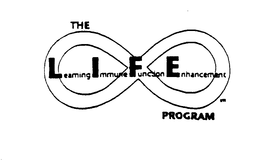
USPTO serial 74717705
THE LEARNING IMMUNE FUNCTION ENHANCEMENT PROGRAM
Reviewed by CopyMark Law Group
- Filing date
- Status date
- Registration date
- May 6, 1997
- Examiner
- COLE RICHARD G
- Law office
- SCANNING ON DEMAND
What this means
Status 710 means the registration was cancelled because a required Section 8 declaration of continued use was not filed within the deadline (including any grace period). The federal registration is no longer active. Evaluate filing a new application if you still use the mark, or petition if cancellation was erroneous. Consult counsel on remaining common-law rights.
Need help with THE LEARNING IMMUNE FUNCTION ENHANCEMENT PROGRAM?
If you own this trademark, we can monitor new filings and help with USPTO deadlines. If you do not, we can file a new U.S. application.
Owner
San Diego, CA
SAN FRANCISCO, CA
San Diego, CA
San Diego, CA
LEARNING IMMUNE FUNCTION ENHANCEMENT FOUNDATION
SAN FRANCISCO, CA
Other trademarks owned by LEARNING IMMUNE FUNCTION ENHANCEMENT FOUNDATION
Attorney of record
The USPTO lists this attorney as the applicant's representative for correspondence on this application.
TODD E ADLER
ALLYN TAYLOR DLA PIPER US LLP2000 UNIVERSITY AVEEAST PALO ALTO, CA 94303-2215UNITED STATESGoods and services
| Class | Description | Status | First use |
|---|---|---|---|
| 042 | counseling services to slow, stop or reverse the progress of HIV illness, to promote, develop and maintain HIV-positive health and to promote public awareness of the role of psychological issues in the immune system functioning and physical health of HIV infected individuals | SECTION 8 - CANCELLED | Mar 17, 1994 |
Related trademarks
CopyMark links this record to cited §2(d) serials, the owner's other marks, Nice classes, similar mark names, and recently changed USPTO applications.
- Other trademarks owned by Leiphart, Jeffrey M.
- Other trademarks owned by SHANTI PROJECT
- Other trademarks owned by Leiphart, Jeffrey M.
- Other trademarks owned by Leiphart, Jeffrey M.
- Other trademarks owned by LEARNING IMMUNE FUNCTION ENHANCEMENT FOUNDATION
- Other trademarks in Class 042
- Similar marks named THE LEARNING IMMUNE FUNCTION ENHANCEMENT PROGRAM
- Recently changed USPTO trademarks
- Recently filed trademarks
- Browse all trademark records
Prosecution history
| Date | Code | Event | What it means |
|---|---|---|---|
| Dec 4, 2008 | MDSC | NOTICE OF DESIGN SEARCH CODE MAILED | — |
| Feb 9, 2008 | CAEX | CANCELLED SEC. 8 (10-YR)/EXPIRED SECTION 9 | — |
| Dec 7, 2006 | CFIT | CASE FILE IN TICRS | — |
| Sep 22, 2006 | TCCA | TEAS CHANGE OF CORRESPONDENCE RECEIVED | — |
| Aug 2, 2006 | ASGN | AUTOMATIC UPDATE OF ASSIGNMENT OF OWNERSHIP | — |
| Feb 18, 2005 | TCCA | TEAS CHANGE OF CORRESPONDENCE RECEIVED | — |
| Jul 19, 2003 | 8.OK | REGISTERED - SEC. 8 (6-YR) ACCEPTED | The USPTO accepted your Section 8 declaration showing the mark is still in use in commerce (or excusable nonuse). This satisfies the six-year maintenance requirement and keeps the registration active until the next renewal deadline. |
| May 2, 2003 | 8.AF | REGISTERED - SEC. 8 (6-YR) FILED | — |
| May 1, 2003 | ES8R | TEAS SECTION 8 RECEIVED | — |
| May 6, 1997 | R.PR | REGISTERED-PRINCIPAL REGISTER | Your trademark is registered on the Principal Register — the strongest form of federal trademark protection. You may use the ® symbol for the covered goods and services. Maintenance filings (Section 8 and renewals) are required to keep the registration alive. |
| Feb 11, 1997 | PUBO | PUBLISHED FOR OPPOSITION | Your mark was published in the USPTO Official Gazette for a 30-day opposition window. During that period, third parties who believe they would be harmed can file an opposition. If no opposition is filed, prosecution usually continues toward registration or a Notice of Allowance. |
| Jan 10, 1997 | NPUB | NOTICE OF PUBLICATION | — |
| Oct 29, 1996 | CNSA | APPROVED FOR PUB - PRINCIPAL REGISTER | — |
| Oct 4, 1996 | CNEA | EXAMINER'S AMENDMENT MAILED | — |
| Sep 4, 1996 | CRFA | CORRESPONDENCE RECEIVED IN LAW OFFICE | — |
| Mar 13, 1996 | CNRT | NON-FINAL ACTION MAILED | A non-final Office Action means the USPTO examining attorney has raised at least one issue with your trademark application but has not made a final decision. You usually have three months to respond with arguments, amendments, or evidence. Missing the deadline can abandon the application. |
| Feb 29, 1996 | DOCK | ASSIGNED TO EXAMINER | — |
| Feb 27, 1996 | DOCK | ASSIGNED TO EXAMINER | — |
| Feb 27, 1996 | DOCK | ASSIGNED TO EXAMINER | — |