
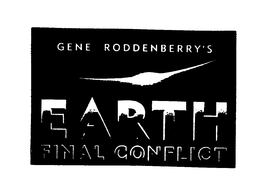
USPTO serial 75378054
GENE RODDENBERRY'S EARTH FINAL CONFLICT
Reviewed by CopyMark Law Group
- Filing date
- Status date
- Registration date
- —
- Examiner
- FINE, STEVEN
- Law office
- FILE REPOSITORY (FRANCONIA)
What this means
These status codes mean the trademark application is abandoned and no longer pending. Common reasons include missing an Office Action response (600), filing without a valid basis (602), express abandonment by the applicant (604), or failure to respond to an examiner's inquiry (618). Revival may be possible in limited circumstances. If abandonment was unintentional, consult counsel about a petition to revive. Otherwise file a new application if protection is still needed.
Need help with GENE RODDENBERRY'S EARTH FINAL CONFLICT?
If you own this trademark, we can monitor new filings and help with USPTO deadlines. If you do not, we can file a new U.S. application.
Owner
Sherman Oaks, CA
Attorney of record
The USPTO lists this attorney as the applicant's representative for correspondence on this application.
EDWARD L ADAMS
EDWARD L ADAMS KATTEN MUCHIN & ZAVIS1999 AVE OF THE STARS STE 1400LOS ANGELES, CA 90067-6042UNITED STATESGoods and services
| Class | Description | Status | First use |
|---|---|---|---|
| 016 | paper goods and printed matter, namely, comic books, magazines featuring science fiction and entertainment news, comic-book reference guide books, picture books, series of fiction books, children's books, coloring books, address books, address labels, appointment books, cook books, diaries, photograph albums, scrap books, book covers, book ends, book marks, printed postcards, trading cards, collector's cards featuring characters, posters, greeting cards, gift wrapping paper, paper gift wrapping ribbons, paper merchandise bags, paper party decoration, paper party hats, playing cards, calendars, personal planners, notebooks, binders, decals, temporary tattoos, stickers, stationery, envelopes, pens, pencils, pen and pencil cases, decorative pencil-top ornaments, crayons, markers, arts and crafts paint kits, note cards, bank checks, check book covers, bumper stickers, rubber stamps and finished cels, namely, film duplications of individual frames of motion pictures and videos, computer-assisted or manual renderings and/or reproductions of images created by computer-assisted or manual renderings, and reproduced images purchased and used as artwork | ABANDONED | — |
Related trademarks
CopyMark links this record to cited §2(d) serials, the owner's other marks, Nice classes, similar mark names, and recently changed USPTO applications.
Prosecution history
| Date | Code | Event | What it means |
|---|---|---|---|
| Oct 30, 1998 | ABN2 | ABANDONMENT - FAILURE TO RESPOND OR LATE RESPONSE | The trademark application was abandoned because a required response or document was not filed by the deadline — usually a missed Office Action response. The application is dead unless a petition to revive is granted within a limited time. |
| Mar 20, 1998 | CNRT | NON-FINAL ACTION MAILED | A non-final Office Action means the USPTO examining attorney has raised at least one issue with your trademark application but has not made a final decision. You usually have three months to respond with arguments, amendments, or evidence. Missing the deadline can abandon the application. |
| Mar 18, 1998 | DOCK | ASSIGNED TO EXAMINER | — |