
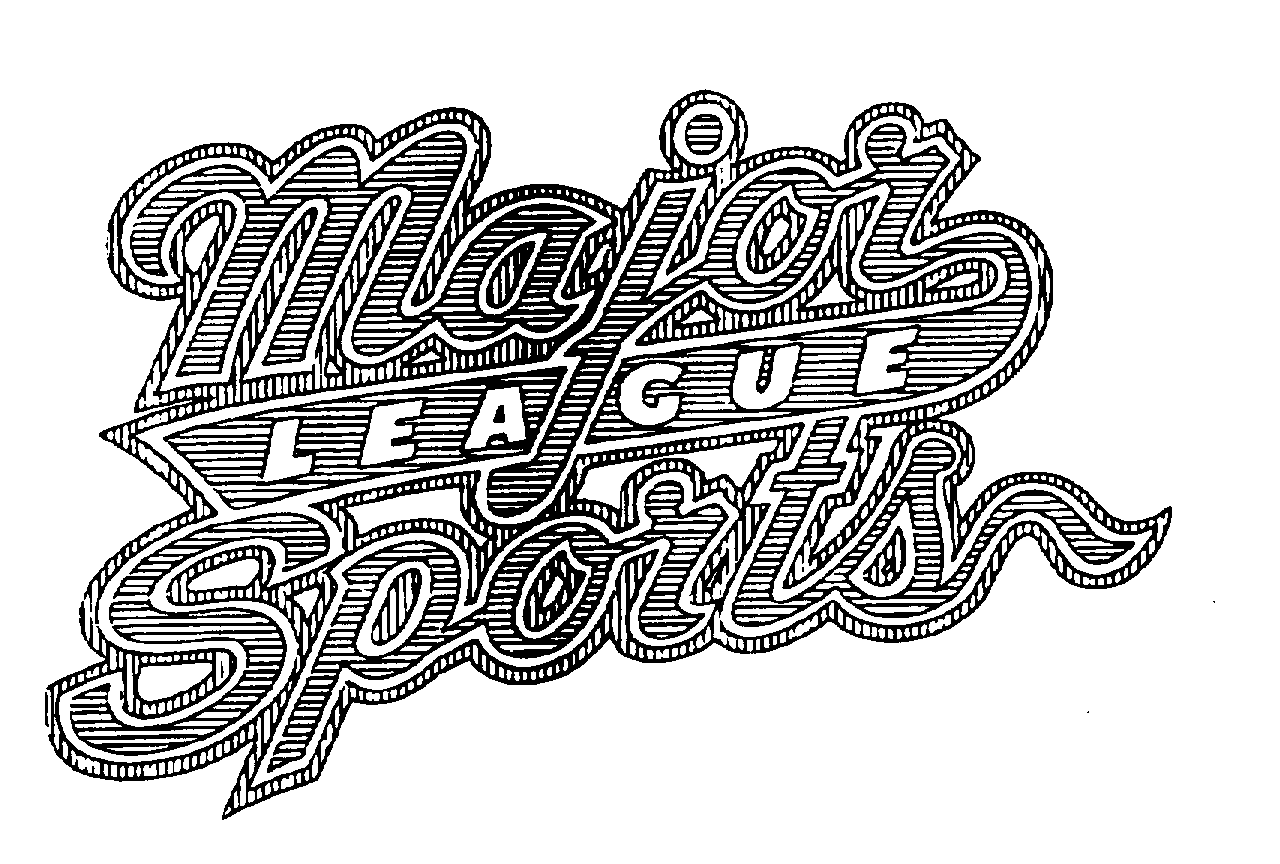
USPTO serial 75689824
MAJOR LEAGUE SPORTS
Reviewed by CopyMark Law Group
- Filing date
- Status date
- Registration date
- —
- Examiner
- SONNEBORN, TRICIA L
- Law office
- FILE REPOSITORY (FRANCONIA)
What this means
These status codes mean the trademark application is abandoned and no longer pending. Common reasons include missing an Office Action response (600), filing without a valid basis (602), express abandonment by the applicant (604), or failure to respond to an examiner's inquiry (618). Revival may be possible in limited circumstances. If abandonment was unintentional, consult counsel about a petition to revive. Otherwise file a new application if protection is still needed.
Need help with MAJOR LEAGUE SPORTS?
If you own this trademark, we can monitor new filings and help with USPTO deadlines. If you do not, we can file a new U.S. application.
Owner
Attorney of record
The USPTO lists this attorney as the applicant's representative for correspondence on this application.
Daniel W. Doherty
DANIEL W DOHERTY ARDIFF & MORSE, PCONE CORPORATE PL55 FERNCROFT RDDANVERS, MA 01923Goods and services
| Class | Description | Status | First use |
|---|---|---|---|
| 016 | Paper goods and printed matter namely atlases, awards, badges, ball-point pens,' bank checks, binders, booklets of interest to participants, check books, bumper stickers, blank cards, business cards, color prints, paper containers, decals, cardboard display units for merchandising products, envelopes, stationery folders, desk pads, scratch pads, computer pads, bond paper, copy paper, newsprint paper, note paper, paper name badges, posters, printed awards, printed score books, printed survey answer sheets, stationery type portfolios, paper identification tags and printed tickets | ACTIVE | — |
| 025 | Clothing, namely shirts, shorts, cloth diapers, dresses, skirts, jogging suits, socks, underwear, jackets, sweaters, vests, pants ponchos visors, raincoats, hats, cloth bibs, caps as clothing, two-piece cloth diaper sets, baby pants, baby booties and shorts sets, ties, pajamas, sweatshirts, mittens, gloves, knitted hats and bands, scarves, hosiery, wristbands, headbands, robes, aprons, shoes | ACTIVE | — |
| 041 | Entertainment Services, namely arranging and conducting indoor and outdoor, youth, softball and baseball batting camps, indoor and outdoor, youth, softball, baseball and basket ball clinics and leagues, presenting exhibition softball, baseball and basketball games | ACTIVE | — |
Related trademarks
CopyMark links this record to cited §2(d) serials, the owner's other marks, Nice classes, similar mark names, and recently changed USPTO applications.
Prosecution history
| Date | Code | Event | What it means |
|---|---|---|---|
| Apr 24, 2000 | ABN2 | ABANDONMENT - FAILURE TO RESPOND OR LATE RESPONSE | The trademark application was abandoned because a required response or document was not filed by the deadline — usually a missed Office Action response. The application is dead unless a petition to revive is granted within a limited time. |
| Aug 24, 1999 | CNRT | NON-FINAL ACTION MAILED | A non-final Office Action means the USPTO examining attorney has raised at least one issue with your trademark application but has not made a final decision. You usually have three months to respond with arguments, amendments, or evidence. Missing the deadline can abandon the application. |
| Aug 10, 1999 | DOCK | ASSIGNED TO EXAMINER | — |