
USPTO serial 75695637
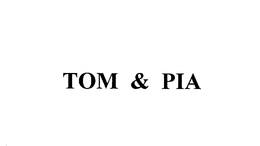
TOM & PIA
Reviewed by CopyMark Law Group
Status 606
- Filing date
- Status date
- Registration date
- —
- Examiner
- BORSUK, ESTHER
- Law office
- FILE REPOSITORY (FRANCONIA)
What this means
This page summarizes the public USPTO record for this serial number, including owners, goods and services, and prosecution history.
Need help with TOM & PIA?
If you own this trademark, we can monitor new filings and help with USPTO deadlines. If you do not, we can file a new U.S. application.
Current trademark owner
Monitor this mark, or talk with CopyMark about this registration.
Not the owner?
File a new U.S. trademark application, or speak with our attorneys.
Owner
45481 Mulheim, DE
45481 Mulheim, DE
OBERHAUSEN, DE
OBERHAUSEN, DE
Attorney of record
The USPTO lists this attorney as the applicant's representative for correspondence on this application.
STEWART J BELLUS
STEWART J BELLUS COLLARD AND ROE1077 NORTHERN BLVDROSLYN, NY 11576UNITED STATESGoods and services
| Class | Description | Status | First use |
|---|---|---|---|
| 009 | APPARATUS FOR RECORDING, TRANSMISSION AND REPRODUCTION OF SOUND, IMAGES AND DATA, NAMELY AUDIO TAPE RECORDERS, VIDEO CASSETTE RECORDERS, STREAMERS, FOTO-RADIOGRAM APPARATUS, RADIO PLANTS, WIRELESS RECEIVERS AND TRANSMITTERS; BLANK MAGNETIC DATA CARRIERS; BLANK FLOPPY DISCS FOR COMPUTERS; PRERECORDED DISKETTES AND MULTIMEDIA SOFTWARE RECORDED ON CD-ROM FEATURING COMPUTER SOFTWARE WHICH COMBINES MULTITASKING MANAGEMENT FUNCTIONS FOR USE IN BUSINESS AND PRIVATE APPLICATIONS, NAMELY STORAGE MANAGEMENT OF ELECTRONIC, BUSINESS, LEGAL AND PERSONAL DOCUMENTS, FILES, SPREAD SHEETS, IMAGES, AUDIO OBJECTS AND/OR VIDEO OBJECTS, PROVIDING ENHANCED ELECTRONIC MAIL, CONTACT INFORMATION AND SCHEDULING CAPABILITIES, PROVIDING INTERNAL AND GLOBAL COMPUTER NETWORK COMMUNICATIONS FOR MEETING AND EVENT SCHEDULING, MANAGING GROUP CALENDARS, TASK DELEGATION AND REPORTING, RECORDING NOTES, TRANSFERRING DATA TO AND FROM DATABASES AND TO AND FROM COMPUTER PROGRAMS AND COMPUTER FILES, ADDRESS BOOK, TELEPHONE DIALING, RECORDING INVENTORY, BOOKKEEPING AND ACCOUNTING SOLD AS A UNIT; CALCULATORS, DATA PROCESSING EQUIPMENT, NAMELY FLOPPY DISC DRIVES, CONTROLLERS, MOTHERBOARDS AND COMPUTERS | ACTIVE | — |
| 038 | Telecommunications services, namely, personal communications services | ACTIVE | — |
| 042 | Software consulting services and software programming for others in the field of data processing | ACTIVE | — |
Related trademarks
CopyMark links this record to cited §2(d) serials, the owner's other marks, Nice classes, similar mark names, and recently changed USPTO applications.
- Other trademarks owned by PrimasoftEDV-Schulung GmbH
- Other trademarks owned by PrimasoftEDV-Schulung GmbH
- Other trademarks owned by PRIMASOFT GMBH
- Other trademarks owned by PRIMASOFT GMBH
- Other trademarks in Class 009
- Other trademarks in Class 038
- Other trademarks in Class 042
- Similar marks named TOM & PIA
- Prosecution event ABN6 explained
- Recently changed USPTO trademarks
- Recently filed trademarks
- Browse all trademark records
Prosecution history
| Date | Code | Event | What it means |
|---|---|---|---|
| Apr 20, 2004 | ABN6 | ABANDONMENT - NO USE STATEMENT FILED | The intent-to-use application was abandoned because no acceptable Statement of Use (or valid extension) was filed before the Notice of Allowance deadline expired. The application is dead unless revived within a limited window. |
| Jul 3, 2003 | PAPER RECEIVED | — | |
| Jun 16, 2003 | EX2G | SOU EXTENSION 2 GRANTED | — |
| Jun 2, 2003 | EXT2 | SOU EXTENSION 2 FILED | — |
| Jun 2, 2003 | EEXT | SOU TEAS EXTENSION RECEIVED | The applicant requested more time to file a Statement of Use before the Notice of Allowance deadline. Each extension typically adds six months. A limited number of extensions are available for intent-to-use applications not yet in use. |
| Jan 21, 2003 | EX1G | SOU EXTENSION 1 GRANTED | — |
| Nov 27, 2002 | PAPER RECEIVED | — | |
| Nov 25, 2002 | EXT1 | SOU EXTENSION 1 FILED | — |
| Aug 27, 2002 | NOAM | NOA MAILED - SOU REQUIRED FROM APPLICANT | A Notice of Allowance means your intent-to-use application cleared examination and opposition but is not registered yet. You must file a Statement of Use showing the mark in commerce, or request an extension, before the deadline — usually six months from the notice date. |
| Jun 4, 2002 | PUBO | PUBLISHED FOR OPPOSITION | Your mark was published in the USPTO Official Gazette for a 30-day opposition window. During that period, third parties who believe they would be harmed can file an opposition. If no opposition is filed, prosecution usually continues toward registration or a Notice of Allowance. |
| May 15, 2002 | NPUB | NOTICE OF PUBLICATION | — |
| Feb 12, 2002 | CNSA | APPROVED FOR PUB - PRINCIPAL REGISTER | — |
| Dec 14, 2001 | CNSL | LETTER OF SUSPENSION MAILED | — |
| Oct 25, 2001 | UNPR | UNRESPONSIVE/DUPLICATE PAPER RECEIVED | — |
| Oct 22, 2001 | CRFA | CORRESPONDENCE RECEIVED IN LAW OFFICE | — |
| Oct 22, 2001 | CRFA | CORRESPONDENCE RECEIVED IN LAW OFFICE | — |
| Apr 20, 2001 | CNFR | FINAL REFUSAL MAILED | A final Office Action (final refusal) means the examining attorney is maintaining at least one refusal and your options are narrower. You can file a response addressing the refusal, appeal to the Trademark Trial and Appeal Board, or let the application abandon. |
| Feb 14, 2001 | CRFA | CORRESPONDENCE RECEIVED IN LAW OFFICE | — |
| Nov 9, 2000 | CNRT | NON-FINAL ACTION MAILED | A non-final Office Action means the USPTO examining attorney has raised at least one issue with your trademark application but has not made a final decision. You usually have three months to respond with arguments, amendments, or evidence. Missing the deadline can abandon the application. |
| Oct 20, 2000 | DOCK | ASSIGNED TO EXAMINER | — |
| Sep 26, 2000 | DOCK | ASSIGNED TO EXAMINER | — |
| Sep 5, 2000 | CRFA | CORRESPONDENCE RECEIVED IN LAW OFFICE | — |
| Jul 17, 2000 | CNRT | NON-FINAL ACTION MAILED | A non-final Office Action means the USPTO examining attorney has raised at least one issue with your trademark application but has not made a final decision. You usually have three months to respond with arguments, amendments, or evidence. Missing the deadline can abandon the application. |
| Apr 17, 2000 | CRFA | CORRESPONDENCE RECEIVED IN LAW OFFICE | — |
| Oct 14, 1999 | CNRT | NON-FINAL ACTION MAILED | A non-final Office Action means the USPTO examining attorney has raised at least one issue with your trademark application but has not made a final decision. You usually have three months to respond with arguments, amendments, or evidence. Missing the deadline can abandon the application. |
| Sep 24, 1999 | DOCK | ASSIGNED TO EXAMINER | — |