
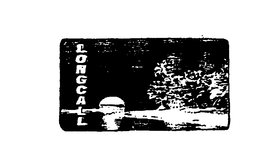
USPTO serial 75795977
LONGCALL
Reviewed by CopyMark Law Group
- Filing date
- Status date
- Registration date
- —
- Examiner
- WELTSCH, KEITH
- Law office
- FILE REPOSITORY (FRANCONIA)
What this means
These status codes mean the trademark application is abandoned and no longer pending. Common reasons include missing an Office Action response (600), filing without a valid basis (602), express abandonment by the applicant (604), or failure to respond to an examiner's inquiry (618). Revival may be possible in limited circumstances. If abandonment was unintentional, consult counsel about a petition to revive. Otherwise file a new application if protection is still needed.
Need help with LONGCALL?
If you own this trademark, we can monitor new filings and help with USPTO deadlines. If you do not, we can file a new U.S. application.
Owner
68100 MULHOUSE, FR
Attorney of record
The USPTO lists this attorney as the applicant's representative for correspondence on this application.
Andrew P. Bridges
ANDREW P BRIDGES WILSON SONSINI GOODRICH & ROSATIPROFESSIONAL CORPORATION650 PAGE MILL RDPALO ALTO, CA 94304Goods and services
| Class | Description | Status | First use |
|---|---|---|---|
| 009 | telephone transmitters; cellular phones, wireless telephones, telephone receivers, telephone wires, telephone apparatus, data processing equipment, apparatus for recording, transmission or reproduction of sound or images; encoders for sounds, encoders for images, commutators, electric apparatus for commutation, chips, magnetic cards, compact discs, optical compact discs, acoustic discs, magnetic discs, floppy discs, magnetic tapes, magnetic wires, encoded telephone cards, magnetic telephone cards, digital telephone cards | ACTIVE | — |
| 016 | non coded non-magnetic, non-opt plastic cards ical, non-digita telephone | ACTIVE | — |
| 035 | communication transcription, call answering services | ACTIVE | — |
| 038 | telecommunications, telecommunication services, paging services, cellular telephone communication, communications by telephone, message sending, sending of telegrams, transmission of telegrams, facsimile transmission, information about telecommunication; rental of telecommunication equipment, rental of message sending apparatus, rental of telephones; communications by computer terminals, computerized telecommunication, electronic mail, computerized telecommunication broadcasting; computer aided transmission of messages; satellite transmission; telephone services, telegraph services | ACTIVE | — |
Related trademarks
CopyMark links this record to cited §2(d) serials, the owner's other marks, Nice classes, similar mark names, and recently changed USPTO applications.
Prosecution history
| Date | Code | Event | What it means |
|---|---|---|---|
| Dec 4, 2000 | ABN2 | ABANDONMENT - FAILURE TO RESPOND OR LATE RESPONSE | The trademark application was abandoned because a required response or document was not filed by the deadline — usually a missed Office Action response. The application is dead unless a petition to revive is granted within a limited time. |
| Mar 23, 2000 | CNRT | NON-FINAL ACTION MAILED | A non-final Office Action means the USPTO examining attorney has raised at least one issue with your trademark application but has not made a final decision. You usually have three months to respond with arguments, amendments, or evidence. Missing the deadline can abandon the application. |
| Mar 1, 2000 | DOCK | ASSIGNED TO EXAMINER | — |
| Feb 14, 2000 | DOCK | ASSIGNED TO EXAMINER | — |