
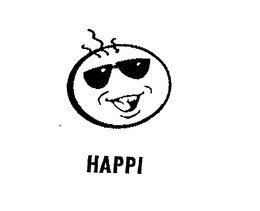
USPTO serial 75816082
HAPPI
Reviewed by CopyMark Law Group
- Filing date
- Status date
- Registration date
- —
- Examiner
- CHOSID, ROBIN S
- Law office
- FILE REPOSITORY (FRANCONIA)
What this means
These status codes mean the trademark application is abandoned and no longer pending. Common reasons include missing an Office Action response (600), filing without a valid basis (602), express abandonment by the applicant (604), or failure to respond to an examiner's inquiry (618). Revival may be possible in limited circumstances. If abandonment was unintentional, consult counsel about a petition to revive. Otherwise file a new application if protection is still needed.
Need help with HAPPI?
If you own this trademark, we can monitor new filings and help with USPTO deadlines. If you do not, we can file a new U.S. application.
Owner
D-561 54 Boppard, DE
Attorney of record
The USPTO lists this attorney as the applicant's representative for correspondence on this application.
Mark B. Harrison
MARK B HARRISON VENABLEP O BOX 34385WRU;HINGTON, DC 20043-9998UNITED STATESGoods and services
| Class | Description | Status | First use |
|---|---|---|---|
| 003 | Perfumes, distilled oils, health and beauty products; hair-care products, hair lotions, shampoos; soaps; | ACTIVE | — |
| 005 | pharmaceutical products and health-care preparations; dietetic products for medicinal purposes; pharmaceutical products for treating, alleviating and curing respiratory-tract illnesses; | ACTIVE | — |
| 009 | glasses, glasses rims and frames; glasses cases, lenses for glasses; | ACTIVE | — |
| 016 | printed products; newspapers, magazines, trade papers and books; bookbinding materials; stationery; typewriters and office supplies (excluding furniture); adhesives for paper and stationery; artist supplies; brushes; | ACTIVE | — |
| 021 | hand-crafted items and gift items made from glass, porcelain and stone; | ACTIVE | — |
| 030 | grain products; snack foods; fine baked goods and pastries; ice cream; confectioneries; chocolate and chocolate products; chewing gum | ACTIVE | — |
Related trademarks
CopyMark links this record to cited §2(d) serials, the owner's other marks, Nice classes, similar mark names, and recently changed USPTO applications.
- Other trademarks owned by Kohns, Daniel
- Other trademarks in Class 003
- Other trademarks in Class 005
- Other trademarks in Class 009
- Other trademarks in Class 016
- Other trademarks in Class 021
- Other trademarks in Class 030
- Similar marks named HAPPI
- Prosecution event ABN2 explained
- Recently changed USPTO trademarks
- Recently filed trademarks
- Browse all trademark records
Prosecution history
| Date | Code | Event | What it means |
|---|---|---|---|
| Dec 21, 2001 | ABN2 | ABANDONMENT - FAILURE TO RESPOND OR LATE RESPONSE | The trademark application was abandoned because a required response or document was not filed by the deadline — usually a missed Office Action response. The application is dead unless a petition to revive is granted within a limited time. |
| Apr 17, 2001 | CNRT | NON-FINAL ACTION MAILED | A non-final Office Action means the USPTO examining attorney has raised at least one issue with your trademark application but has not made a final decision. You usually have three months to respond with arguments, amendments, or evidence. Missing the deadline can abandon the application. |
| Apr 12, 2001 | DOCK | ASSIGNED TO EXAMINER | — |
| Nov 1, 2000 | CRFA | CORRESPONDENCE RECEIVED IN LAW OFFICE | — |
| May 1, 2000 | CNRT | NON-FINAL ACTION MAILED | A non-final Office Action means the USPTO examining attorney has raised at least one issue with your trademark application but has not made a final decision. You usually have three months to respond with arguments, amendments, or evidence. Missing the deadline can abandon the application. |
| Mar 31, 2000 | DOCK | ASSIGNED TO EXAMINER | — |
| Mar 10, 2000 | DOCK | ASSIGNED TO EXAMINER | — |