
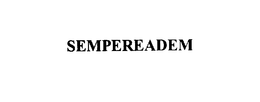
USPTO serial 75941053
SEMPEREADEM
Reviewed by CopyMark Law Group
- Filing date
- Status date
- Registration date
- —
- Examiner
- MULLEN, MARK
- Law office
- FILE REPOSITORY (FRANCONIA)
What this means
These status codes mean the trademark application is abandoned and no longer pending. Common reasons include missing an Office Action response (600), filing without a valid basis (602), express abandonment by the applicant (604), or failure to respond to an examiner's inquiry (618). Revival may be possible in limited circumstances. If abandonment was unintentional, consult counsel about a petition to revive. Otherwise file a new application if protection is still needed.
Need help with SEMPEREADEM?
If you own this trademark, we can monitor new filings and help with USPTO deadlines. If you do not, we can file a new U.S. application.
Owner
Attorney of record
The USPTO lists this attorney as the applicant's representative for correspondence on this application.
Andrew D. Price
ANDREW D PRICE VENABLE LLP575 7TH ST NWWASHINGTON, DC 20004-1601UNITED STATESGoods and services
| Class | Description | Status | First use |
|---|---|---|---|
| 042 | ?Installation, custom development, training, consulting, monitoring, maintenance, data storage, hotline assistance, certification, a site on a global computer network, printed matter, and retail services in the field of biometric technology for security purposes, namely, computer hardware, software and apparatus that identify individuals by any measurable human physiological characteristic to control access to desktop computers, handheld computers, computer software programs, electronic commerce services, secure computer networks, encrypted computer text, sites on a global computer network, electronic mail services, telephones, long- distance telephone services, cellular telephones, voice mail services, telephone calling card services, telephone shopping services, homes, office buildings, individual offices, stores, schools, prisons, warehouses and other buildings and rooms, elevators, garage doors and other entrances, hotel and motel rooms and services, controlled substances, pharmacy services, alcoholic beverage and tobacco products, safes, safety deposit box services, storage units, post office boxes, customs clearance, automated teller machine services, credit and debit card services, automobiles and land vehicles, airplanes and air vehicles, boats and water vehicles, mass transit services, industrial equipment and machinery, television broadcasting services, and cable and satellite television broadcasting services | ACTIVE | — |
Related trademarks
CopyMark links this record to cited §2(d) serials, the owner's other marks, Nice classes, similar mark names, and recently changed USPTO applications.
Prosecution history
| Date | Code | Event | What it means |
|---|---|---|---|
| Mar 26, 2004 | TCCA | TEAS CHANGE OF CORRESPONDENCE RECEIVED | — |
| May 7, 2001 | ABN2 | ABANDONMENT - FAILURE TO RESPOND OR LATE RESPONSE | The trademark application was abandoned because a required response or document was not filed by the deadline — usually a missed Office Action response. The application is dead unless a petition to revive is granted within a limited time. |
| Aug 29, 2000 | CNRT | NON-FINAL ACTION MAILED | A non-final Office Action means the USPTO examining attorney has raised at least one issue with your trademark application but has not made a final decision. You usually have three months to respond with arguments, amendments, or evidence. Missing the deadline can abandon the application. |
| Aug 15, 2000 | DOCK | ASSIGNED TO EXAMINER | — |
| Aug 8, 2000 | DOCK | ASSIGNED TO EXAMINER | — |