
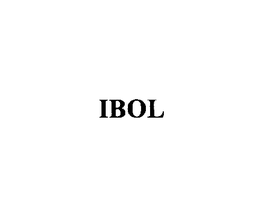
USPTO serial 76150207
IBOL
Reviewed by CopyMark Law Group
- Filing date
- Status date
- Registration date
- —
- Examiner
- ISAACSON, GINNY
- Law office
- FILE REPOSITORY (FRANCONIA)
What this means
These status codes mean the trademark application is abandoned and no longer pending. Common reasons include missing an Office Action response (600), filing without a valid basis (602), express abandonment by the applicant (604), or failure to respond to an examiner's inquiry (618). Revival may be possible in limited circumstances. If abandonment was unintentional, consult counsel about a petition to revive. Otherwise file a new application if protection is still needed.
Need help with IBOL?
If you own this trademark, we can monitor new filings and help with USPTO deadlines. If you do not, we can file a new U.S. application.
Owner
CH 8001, CH
Attorney of record
The USPTO lists this attorney as the applicant's representative for correspondence on this application.
Steven T Shelton
STEVEN T SHELTON ROGERS & WELLS LLP200 PARK AVENEW YORK, NY 10166-0153UNITED STATESGoods and services
| Class | Description | Status | First use |
|---|---|---|---|
| 009 | Magnetic or optical data carriers; computer software | ACTIVE | — |
| 016 | Printed matter | ACTIVE | — |
| 036 | Insurance, finance, banking, including electronic banking (internet banking), stock or derivatives exchange matters, financial transactions, management of assets and investment management services; real estate services including administration of property; provision of financial services of a trust; brokerage services, consultancy and/or commissioning of orders in connection with insurance, finance, banking, and real estate services; drawing up expert tax opinions an tax estimates; financial sponsoring in the fields of culture, sports, and research | ACTIVE | — |
| 038 | Telecommunication services; including remote on-line data transmission; telephone answering, sending of telegrams; communications by computer terminals; transmission of short messages (SMS) via mobile telephone systems; transmission of financial transactions; communication by e-mail and videotext; provisions and transmission of data, information, images and sound via Internet | ACTIVE | — |
| 042 | Legal counseling, especially relating to the founding and administration of companies; scientific and industrial research; creation of programs for data processing; leasing access time to databases in particular via Internet; administration and working of intellectual property rights | ACTIVE | — |
Related trademarks
CopyMark links this record to cited §2(d) serials, the owner's other marks, Nice classes, similar mark names, and recently changed USPTO applications.
- Other trademarks owned by UBS AG
- Other trademarks in Class 009
- Other trademarks in Class 016
- Other trademarks in Class 036
- Other trademarks in Class 038
- Other trademarks in Class 042
- Similar marks named IBOL
- Prosecution event ABN2 explained
- Recently changed USPTO trademarks
- Recently filed trademarks
- Browse all trademark records
Prosecution history
| Date | Code | Event | What it means |
|---|---|---|---|
| Nov 1, 2001 | ABN2 | ABANDONMENT - FAILURE TO RESPOND OR LATE RESPONSE | The trademark application was abandoned because a required response or document was not filed by the deadline — usually a missed Office Action response. The application is dead unless a petition to revive is granted within a limited time. |
| Feb 13, 2001 | CNRT | NON-FINAL ACTION MAILED | A non-final Office Action means the USPTO examining attorney has raised at least one issue with your trademark application but has not made a final decision. You usually have three months to respond with arguments, amendments, or evidence. Missing the deadline can abandon the application. |
| Feb 12, 2001 | DOCK | ASSIGNED TO EXAMINER | — |