
USPTO serial 76317244
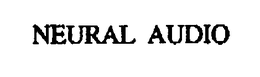
NEURAL AUDIO
Reviewed by CopyMark Law Group
- Filing date
- Status date
- Registration date
- May 23, 2006
- Examiner
- PINO, BRIAN
- Law office
- PUBLICATION AND ISSUE SECTION
What this means
Status 710 means the registration was cancelled because a required Section 8 declaration of continued use was not filed within the deadline (including any grace period). The federal registration is no longer active. Evaluate filing a new application if you still use the mark, or petition if cancellation was erroneous. Consult counsel on remaining common-law rights.
Need help with NEURAL AUDIO?
If you own this trademark, we can monitor new filings and help with USPTO deadlines. If you do not, we can file a new U.S. application.
Owner
Attorney of record
The USPTO lists this attorney as the applicant's representative for correspondence on this application.
JOONG-BIN ROXANNE SPIEGEL
William L. Johnson DTS, Inc.5220 Las Virgenes Rd.DTS, Inc.Calabasas, CA 91302Goods and services
| Class | Description | Status | First use |
|---|---|---|---|
| 009 | Apparatus for use in connection with the capture, recording, editing, mixing, shaping, mastering, processing, transmission, broadcast, streaming, reception, and reproduction of audio signals, namely, audio amplifiers, integrated circuits, microphones, speakers, computer hardware and firmware | SECTION 8 - CANCELLED | — |
Related trademarks
CopyMark links this record to cited §2(d) serials, the owner's other marks, Nice classes, similar mark names, and recently changed USPTO applications.
- Other trademarks owned by NEURAL AUDIO, INC.
- Other trademarks owned by NEURAL AUDIO, INC.
- Other trademarks owned by NEURAL AUDIO, INC.
- Other trademarks owned by DTS, INC.
- Other trademarks in Class 009
- Similar marks named NEURAL AUDIO
- Recently changed USPTO trademarks
- Recently filed trademarks
- Browse all trademark records
Prosecution history
| Date | Code | Event | What it means |
|---|---|---|---|
| Dec 28, 2012 | C8.. | CANCELLED SEC. 8 (6-YR) | — |
| Jun 23, 2011 | CHAN | APPLICANT/CORRESPONDENCE CHANGES (NON-RESPONSIVE) ENTERED | — |
| Jun 23, 2011 | COAR | TEAS CHANGE OF OWNER ADDRESS RECEIVED | — |
| Jun 23, 2011 | TCCA | TEAS CHANGE OF CORRESPONDENCE RECEIVED | — |
| Feb 4, 2009 | ASGN | AUTOMATIC UPDATE OF ASSIGNMENT OF OWNERSHIP | — |
| Aug 30, 2006 | ASCK | ASSIGNMENT OF OWNERSHIP NOT UPDATED AUTOMATICALLY | — |
| May 23, 2006 | R.PR | REGISTERED-PRINCIPAL REGISTER | Your trademark is registered on the Principal Register — the strongest form of federal trademark protection. You may use the ® symbol for the covered goods and services. Maintenance filings (Section 8 and renewals) are required to keep the registration alive. |
| Feb 28, 2006 | PUBO | PUBLISHED FOR OPPOSITION | Your mark was published in the USPTO Official Gazette for a 30-day opposition window. During that period, third parties who believe they would be harmed can file an opposition. If no opposition is filed, prosecution usually continues toward registration or a Notice of Allowance. |
| Feb 15, 2006 | DOCK | ASSIGNED TO EXAMINER | — |
| Feb 8, 2006 | NPUB | NOTICE OF PUBLICATION | — |
| Jan 18, 2006 | PREV | LAW OFFICE PUBLICATION REVIEW COMPLETED | — |
| Jan 18, 2006 | ALIE | ASSIGNED TO LIE | — |
| Jan 13, 2006 | ALIE | ASSIGNED TO LIE | — |
| Jan 10, 2006 | CNSA | APPROVED FOR PUB - PRINCIPAL REGISTER | — |
| Jan 4, 2006 | TEME | TEAS/EMAIL CORRESPONDENCE ENTERED | — |
| Dec 13, 2005 | CRFA | CORRESPONDENCE RECEIVED IN LAW OFFICE | — |
| Dec 13, 2005 | TROA | TEAS RESPONSE TO OFFICE ACTION RECEIVED | This event means the applicant filed a response to a USPTO Office Action — typically arguments, amendments, or evidence addressing the examiner's objections. The USPTO will review the response and either allow the mark to proceed or issue another action. |
| Jun 14, 2005 | CNFR | FINAL REFUSAL MAILED | A final Office Action (final refusal) means the examining attorney is maintaining at least one refusal and your options are narrower. You can file a response addressing the refusal, appeal to the Trademark Trial and Appeal Board, or let the application abandon. |
| Jun 13, 2005 | CNFR | FINAL REFUSAL WRITTEN | A final Office Action (final refusal) means the examining attorney is maintaining at least one refusal and your options are narrower. You can file a response addressing the refusal, appeal to the Trademark Trial and Appeal Board, or let the application abandon. |
| Jun 4, 2005 | ACEC | AMENDMENT FROM APPLICANT ENTERED | — |
| May 17, 2005 | TROA | TEAS RESPONSE TO OFFICE ACTION RECEIVED | This event means the applicant filed a response to a USPTO Office Action — typically arguments, amendments, or evidence addressing the examiner's objections. The USPTO will review the response and either allow the mark to proceed or issue another action. |
| May 17, 2005 | PETG | PETITION TO REVIVE-GRANTED | — |
| May 17, 2005 | PROA | TEAS PETITION TO REVIVE RECEIVED | — |
| May 16, 2005 | CRFA | CORRESPONDENCE RECEIVED IN LAW OFFICE | — |
| May 16, 2005 | FAXX | FAX RECEIVED | — |
| Mar 17, 2005 | MAB2 | ABANDONMENT NOTICE MAILED - FAILURE TO RESPOND | The trademark application was abandoned because a required response or document was not filed by the deadline — usually a missed Office Action response. The application is dead unless a petition to revive is granted within a limited time. |
| Mar 17, 2005 | ABN2 | ABANDONMENT - FAILURE TO RESPOND OR LATE RESPONSE | The trademark application was abandoned because a required response or document was not filed by the deadline — usually a missed Office Action response. The application is dead unless a petition to revive is granted within a limited time. |
| Feb 16, 2005 | DOCK | ASSIGNED TO EXAMINER | — |
| Aug 17, 2004 | CNRT | NON-FINAL ACTION MAILED | A non-final Office Action means the USPTO examining attorney has raised at least one issue with your trademark application but has not made a final decision. You usually have three months to respond with arguments, amendments, or evidence. Missing the deadline can abandon the application. |
| Jun 6, 2003 | CFIT | CASE FILE IN TICRS | — |
| Dec 27, 2002 | DOCK | ASSIGNED TO EXAMINER | — |
| Feb 26, 2002 | CNSL | LETTER OF SUSPENSION MAILED | — |
| Jan 11, 2002 | CRFA | CORRESPONDENCE RECEIVED IN LAW OFFICE | — |
| Dec 31, 2001 | CNRT | NON-FINAL ACTION MAILED | A non-final Office Action means the USPTO examining attorney has raised at least one issue with your trademark application but has not made a final decision. You usually have three months to respond with arguments, amendments, or evidence. Missing the deadline can abandon the application. |
| Dec 7, 2001 | DOCK | ASSIGNED TO EXAMINER | — |