
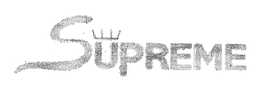
USPTO serial 76356865
SUPREME
Reviewed by CopyMark Law Group
- Filing date
- Status date
- Registration date
- —
- Examiner
- CASE, LEIGH CAROLINE
- Law office
- FILE REPOSITORY (FRANCONIA)
What this means
These status codes mean the trademark application is abandoned and no longer pending. Common reasons include missing an Office Action response (600), filing without a valid basis (602), express abandonment by the applicant (604), or failure to respond to an examiner's inquiry (618). Revival may be possible in limited circumstances. If abandonment was unintentional, consult counsel about a petition to revive. Otherwise file a new application if protection is still needed.
Need help with SUPREME?
If you own this trademark, we can monitor new filings and help with USPTO deadlines. If you do not, we can file a new U.S. application.
Owner
Laboratorios Le Roy, S.A. de C.V.
Col. Granjas Mexico, MX
Attorney of record
The USPTO lists this attorney as the applicant's representative for correspondence on this application.
Demetra Merikas
DEMETRA MERIKAS PATTISHALL, MCAULIFFE, NEWBURY ET AL311 S WACKER DR STE 5000CHICAGO, IL 60606UNITED STATESGoods and services
| Class | Description | Status | First use |
|---|---|---|---|
| 005 | Bandages, namely, cotton bandages with synthetic materials, cotton for medical use, adhesive tapes for medical use, adhesive tapes for surgical use, hyasops in the nature of cotton swabs, mops and sticks for medical or hygienic use, analgesic against pain caused by caries, surgical gauzes, gauze compresses, medicated compresses for cold or hot use | ACTIVE | — |
| 010 | Bandages and elastic materials for orthopedic and medical use, namely, elastic bandages, elastic bandages to slim, elastic bandages for babies, elastic tube shaped bandages, materials to cure, namely, catheter, sponges for surgical use, cloth or fabric slings, disposable syringes, thigh guards, knee guards and ankle guards for orthopedic use, rubber cushions or pillows for invalids, breast pumps, nipple-shields, syringes in form of a pear, ice bag for medical use and wood tongue retractors | ACTIVE | — |
Related trademarks
CopyMark links this record to cited §2(d) serials, the owner's other marks, Nice classes, similar mark names, and recently changed USPTO applications.
Prosecution history
| Date | Code | Event | What it means |
|---|---|---|---|
| Aug 26, 2003 | ABN2 | ABANDONMENT - FAILURE TO RESPOND OR LATE RESPONSE | The trademark application was abandoned because a required response or document was not filed by the deadline — usually a missed Office Action response. The application is dead unless a petition to revive is granted within a limited time. |
| Jan 8, 2003 | CNFR | FINAL REFUSAL MAILED | A final Office Action (final refusal) means the examining attorney is maintaining at least one refusal and your options are narrower. You can file a response addressing the refusal, appeal to the Trademark Trial and Appeal Board, or let the application abandon. |
| Oct 3, 2002 | CRFA | CORRESPONDENCE RECEIVED IN LAW OFFICE | — |
| Oct 3, 2002 | PAPER RECEIVED | — | |
| Mar 29, 2002 | CNRT | NON-FINAL ACTION MAILED | A non-final Office Action means the USPTO examining attorney has raised at least one issue with your trademark application but has not made a final decision. You usually have three months to respond with arguments, amendments, or evidence. Missing the deadline can abandon the application. |
| Mar 14, 2002 | DOCK | ASSIGNED TO EXAMINER | — |