
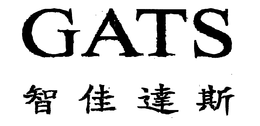
USPTO serial 76437052
GATS
Reviewed by CopyMark Law Group
- Filing date
- Status date
- Registration date
- —
- Examiner
- VANSTON, KATHY
- Law office
- FILE REPOSITORY (FRANCONIA)
What this means
These status codes mean the trademark application is abandoned and no longer pending. Common reasons include missing an Office Action response (600), filing without a valid basis (602), express abandonment by the applicant (604), or failure to respond to an examiner's inquiry (618). Revival may be possible in limited circumstances. If abandonment was unintentional, consult counsel about a petition to revive. Otherwise file a new application if protection is still needed.
Need help with GATS?
If you own this trademark, we can monitor new filings and help with USPTO deadlines. If you do not, we can file a new U.S. application.
Owner
Attorney of record
The USPTO lists this attorney as the applicant's representative for correspondence on this application.
Rod S. Berman
ROD S BERMAN JEFFER, MANGELS, BUTLER & MARMARO LLP2121 AVE OF THE STARS, 10TH FLLOS ANGELES, CA 90067UNITED STATESGoods and services
| Class | Description | Status | First use |
|---|---|---|---|
| 009 | ELECTRIC BUZZERS; CABINETS FOR LOUDSPEAKERS; JUNCTION SLEEVES FOR ELECTRIC CABLES; ELECTRIC CABLES; ENCODED CARDS (MAGNETIC); CIRCUIT BREAKERS; ELECTROMAGNETIC COILS; HOLDERS FOR ELECTRIC COILS; ELECTRIC COILS; COMPUTERS; COMPUTER PERIPHERAL DEVICES; LIGHTNING ARRESTERS; LIGHTNING CONDUCTORS (ROD); CONTROL PANELS (ELECTRICITY); ELECTRIC CONVERTERS; INSULATED COPPER WIRE; MECHANISMS FOR COUNTER-OPERATED APPARATUS; COUNTERFEIT (FALSE) COIN DETECTORS; COUNTERS; ELECTRIC COUPLINGS; CURRENT RECTIFIERS; ELECTRIC ARC CUTTING APPARATUS; DETECTORS; METAL DETECTORS FOR INDUSTRIAL OR MILITARY PURPOSES; AUDIO AND VIDEO RECEIVERS; TELEPHONE RECEIVERS; ELECTRIC RELAYS; REMOTE CONTROL APPARATUS; ELECTRIC INSTALLATION FOR THE REMOTE CONTROL OF INDUSTRIAL OPERATIONS; ELECTRO-DYNAMIC APPARATUS FOR THE REMOTE CONTROL OF SIGNALS; ELECTRIC RESISTANCES; SIGNAL BELLS; SIGNALING PANELS, SOUND ALARMS; SOUNDING APPARATUS AND MACHINES; SPARK-GUARDS; SWITCHBOARDS, SWITCHBOXES (ELECTRICITY); ELECTRIC SWITCHES; TELEMETERS; TIME RECORDING APPARATUS; AUTOMATIC TIME SWITCHES; VOLTMETERS; ELECTRIC ARC WELDING APPARATUS; ELECTRIC WELDING APPARATUS; SWITCH BOXES; MEASURES; MEASURING APPARATUS; MEASURING DEVICES (ELECTRIC); MEASURING INSTRUMENTS | ACTIVE | — |
Related trademarks
CopyMark links this record to cited §2(d) serials, the owner's other marks, Nice classes, similar mark names, and recently changed USPTO applications.
Prosecution history
| Date | Code | Event | What it means |
|---|---|---|---|
| Aug 29, 2003 | ABN2 | ABANDONMENT - FAILURE TO RESPOND OR LATE RESPONSE | The trademark application was abandoned because a required response or document was not filed by the deadline — usually a missed Office Action response. The application is dead unless a petition to revive is granted within a limited time. |
| Dec 20, 2002 | CNRT | NON-FINAL ACTION MAILED | A non-final Office Action means the USPTO examining attorney has raised at least one issue with your trademark application but has not made a final decision. You usually have three months to respond with arguments, amendments, or evidence. Missing the deadline can abandon the application. |
| Dec 10, 2002 | DOCK | ASSIGNED TO EXAMINER | — |