
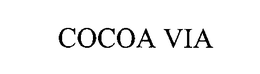
USPTO serial 76474009
COCOA VIA
Reviewed by CopyMark Law Group
- Filing date
- Status date
- Registration date
- —
- Examiner
- CARTY, GEORGIA
- Law office
- FILE REPOSITORY (FRANCONIA)
What this means
These status codes mean the trademark application is abandoned and no longer pending. Common reasons include missing an Office Action response (600), filing without a valid basis (602), express abandonment by the applicant (604), or failure to respond to an examiner's inquiry (618). Revival may be possible in limited circumstances. If abandonment was unintentional, consult counsel about a petition to revive. Otherwise file a new application if protection is still needed.
Need help with COCOA VIA?
If you own this trademark, we can monitor new filings and help with USPTO deadlines. If you do not, we can file a new U.S. application.
Owner
Attorney of record
The USPTO lists this attorney as the applicant's representative for correspondence on this application.
Leslie K. Mitchell, Esq.
LESLIE K MITCHELL ESQ FITZPATRICK, CELLA, HARPER & SCINTO30 ROCKEFELLER PLZNEW YORK, NY 10112-3801UNITED STATESGoods and services
| Class | Description | Status | First use |
|---|---|---|---|
| 029 | Anchovy paste; applesauce; artichoke paste; aspic; bacon; bacon rinds; baked beans; banana chips; bean dip; beef; beef patties; beef stew; beef stock; black pudding; blood sausage; bologna; bouillon; broth; butter; butter substitutes; candied fruit; candied fruit snacks; candied nuts; canned fruits; canned pork and beans; canned, cooked or otherwise processed tomatoes; caviar; charcuterie; cheese; cheese and cracker combinations; cheese fondue; cheese food; cheese spreads; cheese substitutes; chicken; chicken and dumplings; chicken mousse; chicken stock; chile con queso chile rellenos; chili beans; chili without beans; chocolate nut butter; chop suey; meat based chow mein; fish based chow mein; vegetable based chow mein; cole slaw; corn dogs; corned beef; corned beef hash; cottage cheese; crab cakes; cranberry sauce; cream; cream cheese; chicken croquettes; meat croquettes; fish croquettes; crystallized fruit; fresh cut fruits; canned fresh fruits; bottled fresh fruits; fresh cut vegetables; canned cut vegetables; bottled cut vegetables; dairy products excluding ice cream, ice milk and frozen yogurt; dairy-based dips; desiccated coconut; dips; dried beans; dried edible algae; dried fruits; dried soybeans; frozen entrees consisting primarily of meat, fish, poultry or vegetables; prepared entrees consisting primarily of meat, fish, poultry or vegetables; packaged entrees consisting primarily of meat, fish, poultry or vegetables; escargot; falafal; fish; fish and chips; fish cakes; fish fillets; fish mousse; fish stock; flaked coconut; foie gras; food package combinations consisting primarily of cheese, meat and/or processed fruit; frankfurters; french fried potatoes; frozen fruits; frozen vegetables; fruit and soy based snack food; fruit chips; fruit conserves; fruit leathers; fruit paste; fruit pectin; fruit peels; fruit preserves; fruit pulps; fruit rinds; fruit salads; fruit topping; fruits; fruits preserved in alcohol; fruit-based filling for cakes and pies; fruit-based snack food; fruit-based spreads; game; garden salads; garlic-based spread; gherkins; glazed fruits; ground almonds; guacamole; guava paste; gumbo; ham; hamburger; hazelnut spread; hot dogs; hummus; instant potatoes; jams; jellies; jerky; kefir; kelp; lemon curd; lentils; liver; liver paste; lox; luncheon meats; maraschino cherries; marmalade; frozen meals consisting primarily of meat, fish, poultry or vegetables; prepared meals consisting primarily of meat, fish, poultry or vegetables; packaged meals consisting primarily of meat, fish, poultry or vegetables; meat; meat jellies; meat paste; meat-based mousse; meat-based spreads; mincemeat; mortadella; nut buffers; nut topping; nutmeats; shelled nuts; roasted nuts; processed nuts; vegetable oil; salad oil; edible oil; olive oil; omelets; onion rings; pate'; peanut butter; piccalilli; pickled vegetables; pickled watermelon rind; pickles; pork; pork rinds; potato chips; potato crisps; potato pancakes; potato-based snack foods; poultry; preparations for making bouillon; preparations for making broths; preparations for making soups; prepared coconut; preserved truffles; preserved, dried, cooked and grilled vegetables; pre-cut vegetable salad; pre-packaged dinners consisting primarily of meat, seafood or poultry served with pasta, rice and vegetables; processed almonds; processed anchovies; processed apples; processed apricots; processed artichokes; processed asparagus; processed avocados; processed bean sprouts; processed beans; processed beets; processed blueberries; processed cabbage; processed cactus for food purposes; processed cherries; processed coconut; processed dates; processed edible seeds; processed garlic; processed ginseng for use as a vegetable; processed lamb; processed lemons; processed meat, namely, ham, turkey, lamb and veal; processed mushrooms; processed olives; processed onions; processed oranges; processed peaches; processed peppers; processed pimientos; processed potatoes; processed pumpkin seeds; processed quince; processed roots; processed sweet potatoes; processed yams; processed, edible seaweed; protein based, nutrient-dense snack bars; protein for use as a food additive; protein for use as a food filler; quenelles; raisins; refried beans; roast beef; salads except macaroni, rice, and pasta salad; salami; sauerkraut; sausages; seafood; shellfish; fresh sliced fruits; canned sliced fruits; bottle sliced fruits; fresh sliced vegetables; canned sliced vegetables; bottled sliced vegetables; snack dips; snack food dips; snack mix consisting primarily of processed fruits, processed nuts and/or raisins; snails, namely escargot; souffles, namely, vegetable souffles and fish souffles; soup mixes; soups; sour cream; soy chips; soy-based snack foods; stews; tahini; tapenades; tofu; tomato paste; tomato puree; tripe; tuna fish; turkey; uncooked hamburger patties; unflavored and unsweetened gelatins; veal; vegetable mousse; vegetable paste; vegetable protein bits having a bacon flavor; vegetable salads; vegetable-based spreads; whey; dairy based whipped topping; non-dairy based whipped topping; whipping cream; yogurt | ACTIVE | — |
Related trademarks
CopyMark links this record to cited §2(d) serials, the owner's other marks, Nice classes, similar mark names, and recently changed USPTO applications.
Prosecution history
| Date | Code | Event | What it means |
|---|---|---|---|
| Aug 2, 2004 | EXPT | EXPARTE APPEAL TERMINATED | — |
| Jul 29, 2004 | ABN2 | ABANDONMENT - FAILURE TO RESPOND OR LATE RESPONSE | The trademark application was abandoned because a required response or document was not filed by the deadline — usually a missed Office Action response. The application is dead unless a petition to revive is granted within a limited time. |
| Jul 2, 2004 | PAPER RECEIVED | — | |
| Jul 2, 2004 | EXPT | EXPARTE APPEAL TERMINATED | — |
| Jul 2, 2004 | EXPI | EX PARTE APPEAL-INSTITUTED | — |
| Jun 25, 2004 | EXAF | EXPARTE APPEAL RECEIVED AT TTAB | — |
| Jun 17, 2004 | PAPER RECEIVED | — | |
| Jun 17, 2004 | PAPER RECEIVED | — | |
| Dec 11, 2003 | CNFR | FINAL REFUSAL MAILED | A final Office Action (final refusal) means the examining attorney is maintaining at least one refusal and your options are narrower. You can file a response addressing the refusal, appeal to the Trademark Trial and Appeal Board, or let the application abandon. |
| Nov 10, 2003 | CRFA | CORRESPONDENCE RECEIVED IN LAW OFFICE | — |
| Nov 10, 2003 | PAPER RECEIVED | — | |
| Oct 31, 2003 | PAPER RECEIVED | — | |
| Oct 28, 2003 | CRFA | CORRESPONDENCE RECEIVED IN LAW OFFICE | — |
| Apr 28, 2003 | CNRT | NON-FINAL ACTION MAILED | A non-final Office Action means the USPTO examining attorney has raised at least one issue with your trademark application but has not made a final decision. You usually have three months to respond with arguments, amendments, or evidence. Missing the deadline can abandon the application. |
| Apr 26, 2003 | DOCK | ASSIGNED TO EXAMINER | — |