
USPTO serial 76644193
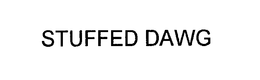
STUFFED DAWG
Reviewed by CopyMark Law Group
Reg. 3454232Status 710
- Filing date
- Status date
- Registration date
- Jun 24, 2008
- Examiner
- MAHONEY, PAULA M
- Law office
- PUBLICATION AND ISSUE SECTION
What this means
Status 710 means the registration was cancelled because a required Section 8 declaration of continued use was not filed within the deadline (including any grace period). The federal registration is no longer active. Evaluate filing a new application if you still use the mark, or petition if cancellation was erroneous. Consult counsel on remaining common-law rights.
Need help with STUFFED DAWG?
If you own this trademark, we can monitor new filings and help with USPTO deadlines. If you do not, we can file a new U.S. application.
Current trademark owner
Monitor this mark, or talk with CopyMark about this registration.
Not the owner?
File a new U.S. trademark application, or speak with our attorneys.
Owner
Goods and services
| Class | Description | Status | First use |
|---|---|---|---|
| 029 | Food Products, namely, frankfurters, wieners, hot dogs, sausages, bratwurst, knockwurst, and Bologna | SECTION 8 - CANCELLED | Mar 31, 2008 |
Related trademarks
CopyMark links this record to cited §2(d) serials, the owner's other marks, Nice classes, similar mark names, and recently changed USPTO applications.
Prosecution history
| Date | Code | Event | What it means |
|---|---|---|---|
| Jan 30, 2015 | C8.. | CANCELLED SEC. 8 (6-YR) | — |
| Jun 24, 2008 | R.PR | REGISTERED-PRINCIPAL REGISTER | Your trademark is registered on the Principal Register — the strongest form of federal trademark protection. You may use the ® symbol for the covered goods and services. Maintenance filings (Section 8 and renewals) are required to keep the registration alive. |
| May 21, 2008 | REGV | LAW OFFICE REGISTRATION REVIEW COMPLETED | — |
| May 20, 2008 | CNPR | ALLOWED PRINCIPAL REGISTER - SOU ACCEPTED | — |
| Apr 23, 2008 | SUPC | STATEMENT OF USE PROCESSING COMPLETE | — |
| Apr 2, 2008 | IUAF | USE AMENDMENT FILED | — |
| Apr 2, 2008 | PAPER RECEIVED | — | |
| Oct 16, 2007 | EX1G | SOU EXTENSION 1 GRANTED | — |
| Oct 2, 2007 | EXT1 | SOU EXTENSION 1 FILED | — |
| Oct 2, 2007 | PAPER RECEIVED | — | |
| Apr 3, 2007 | NOAM | NOA MAILED - SOU REQUIRED FROM APPLICANT | A Notice of Allowance means your intent-to-use application cleared examination and opposition but is not registered yet. You must file a Statement of Use showing the mark in commerce, or request an extension, before the deadline — usually six months from the notice date. |
| Jan 9, 2007 | PUBO | PUBLISHED FOR OPPOSITION | Your mark was published in the USPTO Official Gazette for a 30-day opposition window. During that period, third parties who believe they would be harmed can file an opposition. If no opposition is filed, prosecution usually continues toward registration or a Notice of Allowance. |
| Dec 20, 2006 | NPUB | NOTICE OF PUBLICATION | — |
| Nov 16, 2006 | PREV | LAW OFFICE PUBLICATION REVIEW COMPLETED | — |
| Nov 16, 2006 | ALIE | ASSIGNED TO LIE | — |
| Nov 7, 2006 | CNSA | APPROVED FOR PUB - PRINCIPAL REGISTER | — |
| Oct 18, 2006 | ACEC | AMENDMENT FROM APPLICANT ENTERED | — |
| Sep 22, 2006 | CRFA | CORRESPONDENCE RECEIVED IN LAW OFFICE | — |
| Sep 22, 2006 | PAPER RECEIVED | — | |
| Mar 27, 2006 | CNRT | NON-FINAL ACTION MAILED | A non-final Office Action means the USPTO examining attorney has raised at least one issue with your trademark application but has not made a final decision. You usually have three months to respond with arguments, amendments, or evidence. Missing the deadline can abandon the application. |
| Mar 26, 2006 | CNRT | NON-FINAL ACTION WRITTEN | A non-final Office Action means the USPTO examining attorney has raised at least one issue with your trademark application but has not made a final decision. You usually have three months to respond with arguments, amendments, or evidence. Missing the deadline can abandon the application. |
| Mar 2, 2006 | ZZZX | PREVIOUS ALLOWANCE COUNT WITHDRAWN | — |
| Mar 2, 2006 | CNSA | APPROVED FOR PUB - PRINCIPAL REGISTER | — |
| Feb 22, 2006 | DOCK | ASSIGNED TO EXAMINER | — |
| Aug 15, 2005 | NWAP | NEW APPLICATION ENTERED | — |