
USPTO serial 76645086
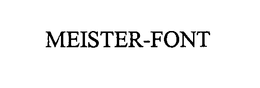
MEISTER-FONT
Reviewed by CopyMark Law Group
- Filing date
- Status date
- Registration date
- —
- Examiner
- KEAN, AMY C
- Law office
- TMO LAW OFFICE 113 - EXAMINING ATTORNEY ASSIGNED
What this means
These status codes mean the trademark application is abandoned and no longer pending. Common reasons include missing an Office Action response (600), filing without a valid basis (602), express abandonment by the applicant (604), or failure to respond to an examiner's inquiry (618). Revival may be possible in limited circumstances. If abandonment was unintentional, consult counsel about a petition to revive. Otherwise file a new application if protection is still needed.
Need help with MEISTER-FONT?
If you own this trademark, we can monitor new filings and help with USPTO deadlines. If you do not, we can file a new U.S. application.
Owner
Goods and services
| Class | Description | Status | First use |
|---|---|---|---|
| 009 | Computer software recorded on a CD-ROM and downloadable computer software featuring typefaces or fonts composed of letters, numbers, punctuation and symbols for digitizing and converting images to embroidery stitch files, for use in commercial embroidery sewing machines | ACTIVE | Sep 26, 2005 |
Related trademarks
CopyMark links this record to cited §2(d) serials, the owner's other marks, Nice classes, similar mark names, and recently changed USPTO applications.
Prosecution history
| Date | Code | Event | What it means |
|---|---|---|---|
| Apr 15, 2008 | MAB2 | ABANDONMENT NOTICE MAILED - FAILURE TO RESPOND | The trademark application was abandoned because a required response or document was not filed by the deadline — usually a missed Office Action response. The application is dead unless a petition to revive is granted within a limited time. |
| Apr 15, 2008 | ABN2 | ABANDONMENT - FAILURE TO RESPOND OR LATE RESPONSE | The trademark application was abandoned because a required response or document was not filed by the deadline — usually a missed Office Action response. The application is dead unless a petition to revive is granted within a limited time. |
| Sep 18, 2007 | CNRT | NON-FINAL ACTION MAILED | A non-final Office Action means the USPTO examining attorney has raised at least one issue with your trademark application but has not made a final decision. You usually have three months to respond with arguments, amendments, or evidence. Missing the deadline can abandon the application. |
| Sep 17, 2007 | CNRT | SU - NON-FINAL ACTION - WRITTEN | A non-final Office Action means the USPTO examining attorney has raised at least one issue with your trademark application but has not made a final decision. You usually have three months to respond with arguments, amendments, or evidence. Missing the deadline can abandon the application. |
| Sep 4, 2007 | SUPC | STATEMENT OF USE PROCESSING COMPLETE | — |
| Jul 13, 2007 | IUAF | USE AMENDMENT FILED | — |
| Jul 13, 2007 | PAPER RECEIVED | — | |
| Jan 16, 2007 | NOAM | NOA MAILED - SOU REQUIRED FROM APPLICANT | A Notice of Allowance means your intent-to-use application cleared examination and opposition but is not registered yet. You must file a Statement of Use showing the mark in commerce, or request an extension, before the deadline — usually six months from the notice date. |
| Oct 24, 2006 | PUBO | PUBLISHED FOR OPPOSITION | Your mark was published in the USPTO Official Gazette for a 30-day opposition window. During that period, third parties who believe they would be harmed can file an opposition. If no opposition is filed, prosecution usually continues toward registration or a Notice of Allowance. |
| Oct 4, 2006 | NPUB | NOTICE OF PUBLICATION | — |
| Sep 8, 2006 | PREV | LAW OFFICE PUBLICATION REVIEW COMPLETED | — |
| Sep 6, 2006 | ALIE | ASSIGNED TO LIE | — |
| Aug 16, 2006 | CNEA | EXAMINERS AMENDMENT MAILED | — |
| Aug 15, 2006 | CNSA | APPROVED FOR PUB - PRINCIPAL REGISTER | — |
| Aug 15, 2006 | XAEC | EXAMINER'S AMENDMENT ENTERED | — |
| Aug 15, 2006 | CNEA | EXAMINERS AMENDMENT -WRITTEN | — |
| Jul 25, 2006 | ACEC | AMENDMENT FROM APPLICANT ENTERED | — |
| Jul 17, 2006 | CRFA | CORRESPONDENCE RECEIVED IN LAW OFFICE | — |
| Jul 17, 2006 | PAPER RECEIVED | — | |
| Mar 16, 2006 | CNRT | NON-FINAL ACTION MAILED | A non-final Office Action means the USPTO examining attorney has raised at least one issue with your trademark application but has not made a final decision. You usually have three months to respond with arguments, amendments, or evidence. Missing the deadline can abandon the application. |
| Mar 15, 2006 | CNRT | NON-FINAL ACTION WRITTEN | A non-final Office Action means the USPTO examining attorney has raised at least one issue with your trademark application but has not made a final decision. You usually have three months to respond with arguments, amendments, or evidence. Missing the deadline can abandon the application. |
| Mar 10, 2006 | CNRT | NON-FINAL ACTION MAILED | A non-final Office Action means the USPTO examining attorney has raised at least one issue with your trademark application but has not made a final decision. You usually have three months to respond with arguments, amendments, or evidence. Missing the deadline can abandon the application. |
| Mar 10, 2006 | CNRT | NON-FINAL ACTION WRITTEN | A non-final Office Action means the USPTO examining attorney has raised at least one issue with your trademark application but has not made a final decision. You usually have three months to respond with arguments, amendments, or evidence. Missing the deadline can abandon the application. |
| Mar 6, 2006 | DOCK | ASSIGNED TO EXAMINER | — |
| Aug 26, 2005 | NWAP | NEW APPLICATION ENTERED | — |