
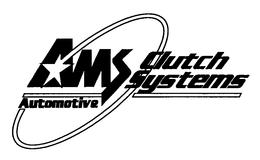
USPTO serial 76695931
AMS AUTOMOTIVE CLUTCH SYSTEMS
Reviewed by CopyMark Law Group
- Filing date
- Status date
- Registration date
- —
- Examiner
- BIBB, SCOTT
- Law office
- TMEG LAW OFFICE 109 - EXAMINING ATTORNEY ASSIGNED
What this means
These status codes mean the trademark application is abandoned and no longer pending. Common reasons include missing an Office Action response (600), filing without a valid basis (602), express abandonment by the applicant (604), or failure to respond to an examiner's inquiry (618). Revival may be possible in limited circumstances. If abandonment was unintentional, consult counsel about a petition to revive. Otherwise file a new application if protection is still needed.
Need help with AMS AUTOMOTIVE CLUTCH SYSTEMS?
If you own this trademark, we can monitor new filings and help with USPTO deadlines. If you do not, we can file a new U.S. application.
Owner
Attorney of record
The USPTO lists this attorney as the applicant's representative for correspondence on this application.
Paul M. Denk
763 S NEW BALLAS RD STE 170SAINT LOUIS, MO 63141-8711UNITED STATESGoods and services
| Class | Description | Status | First use |
|---|---|---|---|
| 035 | wholesale distributorship featuring automobile parts | ACTIVE | — |
Related trademarks
CopyMark links this record to cited §2(d) serials, the owner's other marks, Nice classes, similar mark names, and recently changed USPTO applications.
Prosecution history
| Date | Code | Event | What it means |
|---|---|---|---|
| Sep 20, 2010 | MAB0 | ABANDONMENT NOTICE MAILED - INCOMPLETE RESPONSE | — |
| Sep 17, 2010 | ABN0 | ABANDONMENT - INCOMPLETE RESPONSE | — |
| Feb 17, 2010 | RECD | ACTION DENYING REQ FOR RECON MAILED | — |
| Feb 17, 2010 | CNCF | ACTION CONTINUING FINAL - COMPLETED | — |
| Jan 29, 2010 | ACEC | AMENDMENT FROM APPLICANT ENTERED | — |
| Jan 29, 2010 | CRFA | CORRESPONDENCE RECEIVED IN LAW OFFICE | — |
| Jan 26, 2010 | ACEC | AMENDMENT FROM APPLICANT ENTERED | — |
| Jan 26, 2010 | CRFA | CORRESPONDENCE RECEIVED IN LAW OFFICE | — |
| Jan 25, 2010 | PAPER RECEIVED | — | |
| Jan 25, 2010 | PAPER RECEIVED | — | |
| Jul 24, 2009 | CNFR | FINAL REFUSAL MAILED | A final Office Action (final refusal) means the examining attorney is maintaining at least one refusal and your options are narrower. You can file a response addressing the refusal, appeal to the Trademark Trial and Appeal Board, or let the application abandon. |
| Jul 24, 2009 | CNFR | FINAL REFUSAL WRITTEN | A final Office Action (final refusal) means the examining attorney is maintaining at least one refusal and your options are narrower. You can file a response addressing the refusal, appeal to the Trademark Trial and Appeal Board, or let the application abandon. |
| Jun 19, 2009 | ACEC | AMENDMENT FROM APPLICANT ENTERED | — |
| Jun 19, 2009 | CRFA | CORRESPONDENCE RECEIVED IN LAW OFFICE | — |
| Jun 19, 2009 | ALIE | ASSIGNED TO LIE | — |
| Jun 15, 2009 | PAPER RECEIVED | — | |
| May 19, 2009 | CNRT | NON-FINAL ACTION MAILED | A non-final Office Action means the USPTO examining attorney has raised at least one issue with your trademark application but has not made a final decision. You usually have three months to respond with arguments, amendments, or evidence. Missing the deadline can abandon the application. |
| May 18, 2009 | CNRT | NON-FINAL ACTION WRITTEN | A non-final Office Action means the USPTO examining attorney has raised at least one issue with your trademark application but has not made a final decision. You usually have three months to respond with arguments, amendments, or evidence. Missing the deadline can abandon the application. |
| May 14, 2009 | DOCK | ASSIGNED TO EXAMINER | — |
| Mar 7, 2009 | MAFR | APPLICATION FILING RECEIPT MAILED | — |
| Mar 3, 2009 | NWOS | NEW APPLICATION OFFICE SUPPLIED DATA ENTERED | — |