
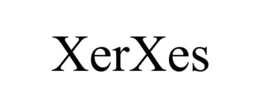
USPTO serial 77057336
XERXES
Reviewed by CopyMark Law Group
- Filing date
- Status date
- Registration date
- —
- Examiner
- MICKLEBURGH, LINDA BOHANNON
- Law office
- TMEG LAW OFFICE 106 - EXAMINING ATTORNEY ASSIGNED
What this means
These status codes mean the trademark application is abandoned and no longer pending. Common reasons include missing an Office Action response (600), filing without a valid basis (602), express abandonment by the applicant (604), or failure to respond to an examiner's inquiry (618). Revival may be possible in limited circumstances. If abandonment was unintentional, consult counsel about a petition to revive. Otherwise file a new application if protection is still needed.
Need help with XERXES?
If you own this trademark, we can monitor new filings and help with USPTO deadlines. If you do not, we can file a new U.S. application.
Owner
Goods and services
| Class | Description | Status | First use |
|---|---|---|---|
| 009 | Product = SIP Media Gateway-- SIP = "Session Initiation Protocol", used for setting up and tearing down voice phone calls and conferencing in this product over an IP (Internet Protocol) network; It meets the requirements set by the IETF (RFC 3261); Media Gateway = Is a name used for a hardware device in this case that converts voice calls from the legacy phone communication world being the PSTN(Public Switched Telephone Network) to the VoIP(Voice over IP network); The SIP Media Gateway converts all PSTN network call control signaling (CAS = Channel Associated Signaling and CCS = Common Channel Signaling - eg-- T1/PRI, ISDN, T1 Robbed Bit, R2 and so on) and voice processing (TDM = Time Division Multiplex) to the VoIP network call control signaling (SIP) and voice processing (RTP = Real-time Transport Protocol); Product = SIP Media Gateway Controller-- SIP = "Session Initiation Protocol", used for setting up and tearing down voice phone calls and conferencing in this product over an IP (Internet Protocol) network; It meets the requirements set by the IETF (RFC 3261); Media Gateway Controller = Is a name used for the software in this case that converts voice calls from the legacy phone communication world being the PSTN(Public Switched Telephone Network) to the VoIP(Voice over IP network); This is done from an application server (software server) that controls the Media Gateways remotely; The SIP Media Gateway Controller converts all PSTN network call control signaling (CAS = Channel Associated Signaling and CCS = Common Channel Signaling - eg-- T1/PRI, ISDN, T1 Robbed Bit, R2 and so on) and voice processing (TDM = Time Division Multiplex) to the VoIP network call control signaling (SIP) and voice processing (RTP = Real-time Transport Protocol); Product = Media Server-- Is a hardware device that serves media to the PSTN (Public Switched Telephone Network) and VoIP (Voice over IP network) voice communication networks; It does this by providing services to the voice phone caller such as playing prompts to the caller (IVR = Interactive Voice Response) so the voice phone caller can navigate through voice menus to retrieve information like bank balance, order status or any other information the voice phone caller needs that his suppliers is offering; Further functionality can be performed such as conferencing multiple voice phone callers at the same time on the same call; Most common base functionally is to play media files, collect digits and replay needed information | ACTIVE | Oct 1, 2006 |
Related trademarks
CopyMark links this record to cited §2(d) serials, the owner's other marks, Nice classes, similar mark names, and recently changed USPTO applications.
Prosecution history
| Date | Code | Event | What it means |
|---|---|---|---|
| Mar 13, 2008 | MAB2 | ABANDONMENT NOTICE MAILED - FAILURE TO RESPOND | The trademark application was abandoned because a required response or document was not filed by the deadline — usually a missed Office Action response. The application is dead unless a petition to revive is granted within a limited time. |
| Mar 13, 2008 | ABN2 | ABANDONMENT - FAILURE TO RESPOND OR LATE RESPONSE | The trademark application was abandoned because a required response or document was not filed by the deadline — usually a missed Office Action response. The application is dead unless a petition to revive is granted within a limited time. |
| Aug 7, 2007 | GPRN | NOTIFICATION OF PRIORITY ACTION E-MAILED | A priority action is a type of Office Action the USPTO treats as time-sensitive. It usually means the examining attorney needs a specific response or amendment quickly — often relating to a foreign priority claim or a formal requirement. Respond within the stated deadline. |
| Aug 7, 2007 | GPRA | PRIORITY ACTION E-MAILED | A priority action is a type of Office Action the USPTO treats as time-sensitive. It usually means the examining attorney needs a specific response or amendment quickly — often relating to a foreign priority claim or a formal requirement. Respond within the stated deadline. |
| Aug 7, 2007 | CPRA | PRIORITY ACTION WRITTEN | A priority action is a type of Office Action the USPTO treats as time-sensitive. It usually means the examining attorney needs a specific response or amendment quickly — often relating to a foreign priority claim or a formal requirement. Respond within the stated deadline. |
| Apr 6, 2007 | GNRT | NON-FINAL ACTION E-MAILED | A non-final Office Action means the USPTO examining attorney has raised at least one issue with your trademark application but has not made a final decision. You usually have three months to respond with arguments, amendments, or evidence. Missing the deadline can abandon the application. |
| Apr 6, 2007 | CNRT | NON-FINAL ACTION WRITTEN | A non-final Office Action means the USPTO examining attorney has raised at least one issue with your trademark application but has not made a final decision. You usually have three months to respond with arguments, amendments, or evidence. Missing the deadline can abandon the application. |
| Mar 29, 2007 | DOCK | ASSIGNED TO EXAMINER | — |
| Dec 8, 2006 | NWAP | NEW APPLICATION ENTERED | — |