
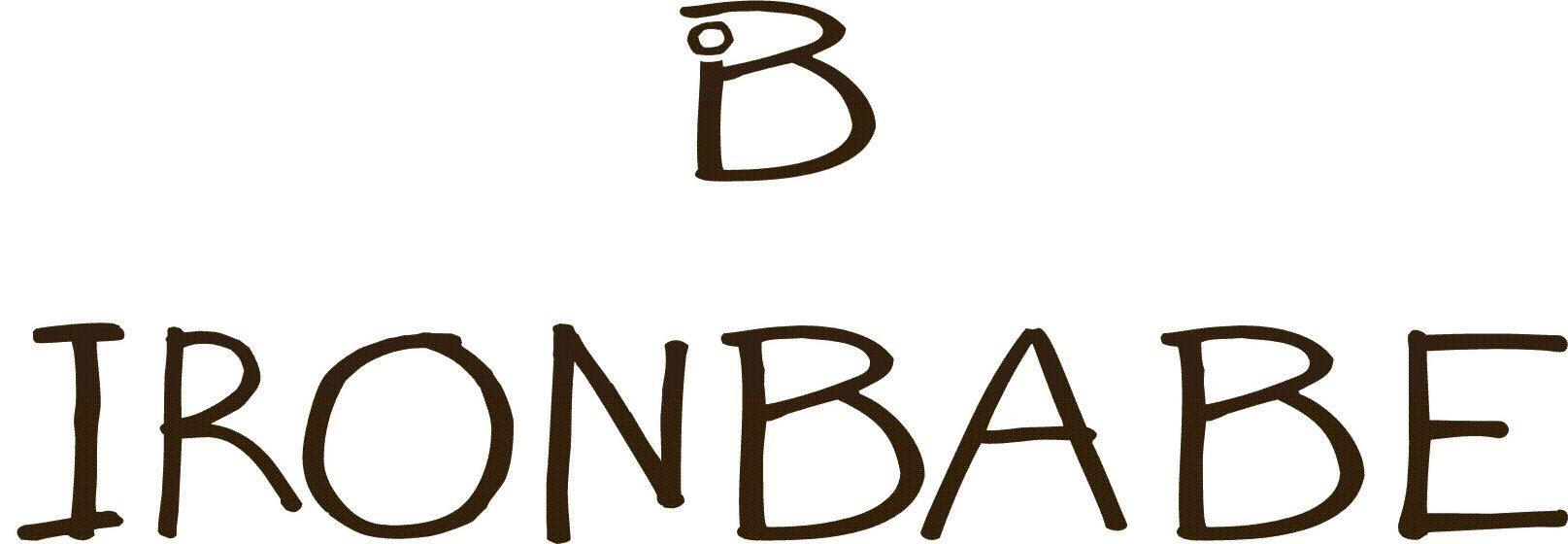
USPTO serial 77067790
IB IRONBABE
Reviewed by CopyMark Law Group
- Filing date
- Status date
- Registration date
- —
- Examiner
- KIDWELL WALKER, JACLYN NOEMI
- Law office
- TTAB
What this means
These status codes mean the trademark application is abandoned and no longer pending. Common reasons include missing an Office Action response (600), filing without a valid basis (602), express abandonment by the applicant (604), or failure to respond to an examiner's inquiry (618). Revival may be possible in limited circumstances. If abandonment was unintentional, consult counsel about a petition to revive. Otherwise file a new application if protection is still needed.
Need help with IB IRONBABE?
If you own this trademark, we can monitor new filings and help with USPTO deadlines. If you do not, we can file a new U.S. application.
Owner
Goods and services
| Class | Description | Status | First use |
|---|---|---|---|
| 025 | Athletic apparel, namely, sports shirts, sports bras, hats, and socks | ABANDONED | — |
Related trademarks
CopyMark links this record to cited §2(d) serials, the owner's other marks, Nice classes, similar mark names, and recently changed USPTO applications.
Prosecution history
| Date | Code | Event | What it means |
|---|---|---|---|
| Feb 6, 2009 | MAB4 | ABANDONMENT NOTICE MAILED - INTER PARTES DECISION | — |
| Feb 6, 2009 | ABN4 | ABANDONMENT - AFTER INTER PARTES DECISION | — |
| Feb 6, 2009 | OP.T | OPPOSITION TERMINATED NO. 999999 | — |
| Feb 6, 2009 | OP.S | OPPOSITION SUSTAINED NO. 999999 | — |
| Apr 9, 2008 | OP.I | OPPOSITION INSTITUTED NO. 999999 | — |
| Apr 9, 2008 | OPPF | OPPOSITION PAPERS RECEIVED AT TTAB | — |
| Mar 11, 2008 | PUBO | PUBLISHED FOR OPPOSITION | Your mark was published in the USPTO Official Gazette for a 30-day opposition window. During that period, third parties who believe they would be harmed can file an opposition. If no opposition is filed, prosecution usually continues toward registration or a Notice of Allowance. |
| Feb 20, 2008 | NPUB | NOTICE OF PUBLICATION | — |
| Feb 1, 2008 | PREV | LAW OFFICE PUBLICATION REVIEW COMPLETED | — |
| Jan 30, 2008 | CNSA | APPROVED FOR PUB - PRINCIPAL REGISTER | — |
| Jan 28, 2008 | ACEC | AMENDMENT FROM APPLICANT ENTERED | — |
| Jan 28, 2008 | CRFA | CORRESPONDENCE RECEIVED IN LAW OFFICE | — |
| Jan 25, 2008 | TROA | TEAS RESPONSE TO OFFICE ACTION RECEIVED | This event means the applicant filed a response to a USPTO Office Action — typically arguments, amendments, or evidence addressing the examiner's objections. The USPTO will review the response and either allow the mark to proceed or issue another action. |
| Jan 18, 2008 | TEME | TEAS/EMAIL CORRESPONDENCE ENTERED | — |
| Jan 18, 2008 | CRFA | CORRESPONDENCE RECEIVED IN LAW OFFICE | — |
| Jan 17, 2008 | TROA | TEAS RESPONSE TO OFFICE ACTION RECEIVED | This event means the applicant filed a response to a USPTO Office Action — typically arguments, amendments, or evidence addressing the examiner's objections. The USPTO will review the response and either allow the mark to proceed or issue another action. |
| Jan 17, 2008 | GNRN | NOTIFICATION OF NON-FINAL ACTION E-MAILED | A non-final Office Action means the USPTO examining attorney has raised at least one issue with your trademark application but has not made a final decision. You usually have three months to respond with arguments, amendments, or evidence. Missing the deadline can abandon the application. |
| Jan 17, 2008 | GNRT | NON-FINAL ACTION E-MAILED | A non-final Office Action means the USPTO examining attorney has raised at least one issue with your trademark application but has not made a final decision. You usually have three months to respond with arguments, amendments, or evidence. Missing the deadline can abandon the application. |
| Jan 17, 2008 | CNRT | NON-FINAL ACTION WRITTEN | A non-final Office Action means the USPTO examining attorney has raised at least one issue with your trademark application but has not made a final decision. You usually have three months to respond with arguments, amendments, or evidence. Missing the deadline can abandon the application. |
| Jan 17, 2008 | TEME | TEAS/EMAIL CORRESPONDENCE ENTERED | — |
| Jan 17, 2008 | CRFA | CORRESPONDENCE RECEIVED IN LAW OFFICE | — |
| Jan 16, 2008 | TROA | TEAS RESPONSE TO OFFICE ACTION RECEIVED | This event means the applicant filed a response to a USPTO Office Action — typically arguments, amendments, or evidence addressing the examiner's objections. The USPTO will review the response and either allow the mark to proceed or issue another action. |
| Dec 20, 2007 | GNRN | NOTIFICATION OF NON-FINAL ACTION E-MAILED | A non-final Office Action means the USPTO examining attorney has raised at least one issue with your trademark application but has not made a final decision. You usually have three months to respond with arguments, amendments, or evidence. Missing the deadline can abandon the application. |
| Dec 20, 2007 | GNRT | NON-FINAL ACTION E-MAILED | A non-final Office Action means the USPTO examining attorney has raised at least one issue with your trademark application but has not made a final decision. You usually have three months to respond with arguments, amendments, or evidence. Missing the deadline can abandon the application. |
| Dec 20, 2007 | CNRT | NON-FINAL ACTION WRITTEN | A non-final Office Action means the USPTO examining attorney has raised at least one issue with your trademark application but has not made a final decision. You usually have three months to respond with arguments, amendments, or evidence. Missing the deadline can abandon the application. |
| Dec 11, 2007 | ACEC | AMENDMENT FROM APPLICANT ENTERED | — |
| Dec 11, 2007 | CRFA | CORRESPONDENCE RECEIVED IN LAW OFFICE | — |
| Dec 6, 2007 | ALIE | ASSIGNED TO LIE | — |
| Oct 29, 2007 | PAPER RECEIVED | — | |
| Sep 1, 2007 | GNRN | NOTIFICATION OF NON-FINAL ACTION E-MAILED | A non-final Office Action means the USPTO examining attorney has raised at least one issue with your trademark application but has not made a final decision. You usually have three months to respond with arguments, amendments, or evidence. Missing the deadline can abandon the application. |
| Sep 1, 2007 | GNRT | NON-FINAL ACTION E-MAILED | A non-final Office Action means the USPTO examining attorney has raised at least one issue with your trademark application but has not made a final decision. You usually have three months to respond with arguments, amendments, or evidence. Missing the deadline can abandon the application. |
| Sep 1, 2007 | CNRT | NON-FINAL ACTION WRITTEN | A non-final Office Action means the USPTO examining attorney has raised at least one issue with your trademark application but has not made a final decision. You usually have three months to respond with arguments, amendments, or evidence. Missing the deadline can abandon the application. |
| Aug 7, 2007 | TEME | TEAS/EMAIL CORRESPONDENCE ENTERED | — |
| Aug 7, 2007 | CRFA | CORRESPONDENCE RECEIVED IN LAW OFFICE | — |
| Aug 7, 2007 | TROA | TEAS RESPONSE TO OFFICE ACTION RECEIVED | This event means the applicant filed a response to a USPTO Office Action — typically arguments, amendments, or evidence addressing the examiner's objections. The USPTO will review the response and either allow the mark to proceed or issue another action. |
| Apr 17, 2007 | GNRT | NON-FINAL ACTION E-MAILED | A non-final Office Action means the USPTO examining attorney has raised at least one issue with your trademark application but has not made a final decision. You usually have three months to respond with arguments, amendments, or evidence. Missing the deadline can abandon the application. |
| Apr 17, 2007 | CNRT | NON-FINAL ACTION WRITTEN | A non-final Office Action means the USPTO examining attorney has raised at least one issue with your trademark application but has not made a final decision. You usually have three months to respond with arguments, amendments, or evidence. Missing the deadline can abandon the application. |
| Apr 12, 2007 | DOCK | ASSIGNED TO EXAMINER | — |
| Dec 27, 2006 | MPMK | NOTICE OF PSEUDO MARK MAILED | — |
| Dec 26, 2006 | NWAP | NEW APPLICATION ENTERED | — |