
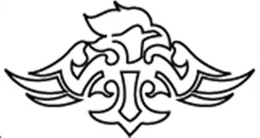
USPTO serial 77221021
Serial No. 77221021
Reviewed by CopyMark Law Group
- Filing date
- Status date
- Registration date
- —
- Examiner
- BUTLER, ANDREA P
- Law office
- TMEG LAW OFFICE 102 - EXAMINING ATTORNEY ASSIGNED
What this means
These status codes mean the trademark application is abandoned and no longer pending. Common reasons include missing an Office Action response (600), filing without a valid basis (602), express abandonment by the applicant (604), or failure to respond to an examiner's inquiry (618). Revival may be possible in limited circumstances. If abandonment was unintentional, consult counsel about a petition to revive. Otherwise file a new application if protection is still needed.
Need help with Serial No. 77221021?
If you own this trademark, we can monitor new filings and help with USPTO deadlines. If you do not, we can file a new U.S. application.
Owner
Kwun Tong, Kowloon, HK
Goods and services
| Class | Description | Status | First use |
|---|---|---|---|
| 025 | Clothing, namely, folk costumes; Clothing, namely, hand-warmers; Clothing, namely, knee warmers; Clothing, namely, neck tubes; Clothing, namely, wrap-arounds; Corsets; Dusters; Foulards; Hoods; Infant and toddler one piece clothing; Infant cloth diapers; Jerseys; Leather belts; Mantles; Mufflers; Non-disposable cloth training pants; Paper hats for use as clothing items; Parts of clothing, namely, gussets for tights, gussets for stockings, gussets for bathing suits, gussets for underwear, gussets for leotards and gussets for footlets; Perspiration absorbent underwear clothing; Belts; Bibs not of cloth or paper; Caps; Children's and infants' cloth bibs; Children's cloth eating bibs; Cloth bibs; Cloth bibs for adult diners; Cloth bibs for use by senior citizens or physically- or mentally-challenged persons; Cloth diapers; Clothing for wear in judo practices; Clothing for wear in wrestling games; Clothing, namely, arm warmers; Shifts; Short sets; Shoulder wraps; Swaddling clothes; Ties; Tops; Underarm clothing shields; Wraps; Capri pants; Capris; Balloon pants; Cargo pants; Denims; Jogging pants; Leather pants; Lounge pants; Nurse pants; Pants; Petti-pants; Ski pants; Snow pants; Snowboard pants; Sweat pants; Tap pants; Toboggan hats, pants and caps; Track pants; Waterproof jackets and pants; Wind pants; Yoga pants; Jeans; Ankle socks; Anklets; Anti-perspirant socks; Japanese style socks (tabi covers); Japanese style socks (tabi); Men's socks; Paper shoes used when going through metal detectors to keep feet and socks clean; Sock suspenders; Socks; Socks and stockings; Thermal socks; Water socks; Woollen socks; A-shirts; Button-front aloha shirts; Camp shirts; Dress shirts; Golf shirts; Knit shirts; Night shirts; Open-necked shirts; Pique shirts; Polo shirts; Shirt fronts; Shirt yokes; Shirts; Shirts for suits; Short-sleeved or long-sleeved t-shirts; Short-sleeved shirts; Sleep shirts; Sport shirts; Sweat shirts; T-shirts; Wind shirts; Yoga shirts; Sports shirts; Sports shirts with short sleeves; Athletic footwear; Beach footwear; Flip flops; Footwear; Footwear; Footwear for men; Footwear for men and women; Footwear for track and field athletics; Footwear for women; Footwear made of wood; Footwear not for sports; Footwear, namely, pumps; Footwear, namely, rubbers; Japanese footwear of rice straw (waraji); Japanese split-toed work footwear (jikatabi); Pumps; Thongs; Tips for footwear; Children's headwear; Headwear; Leather headwear; Novelty headwear with attached wigs; Skullies; Baseball caps; Bathing caps; Cap visors; Caps with visors; Golf caps; Knitted caps; Shower caps; Skull caps; Swim caps; Swimming caps; Swimming caps; Toe caps; Briefs; Disposable underwear; Knitted underwear; Ladies' underwear; Thermal underwear; Thongs; Underwear; Underwear, namely, boy shorts; Women's underwear; Woven or knitted underwear; Belts made of leather; Belts of textile; Fabric belts; Garter belts; Money belts; Suspender belts for men; Suspender belts for women; Tuxedo belts; Waist belts; Wrap belts for kimonos (datemaki) | ACTIVE | — |
Related trademarks
CopyMark links this record to cited §2(d) serials, the owner's other marks, Nice classes, similar mark names, and recently changed USPTO applications.
Prosecution history
| Date | Code | Event | What it means |
|---|---|---|---|
| May 15, 2008 | MAB2 | ABANDONMENT NOTICE MAILED - FAILURE TO RESPOND | The trademark application was abandoned because a required response or document was not filed by the deadline — usually a missed Office Action response. The application is dead unless a petition to revive is granted within a limited time. |
| May 15, 2008 | ABN2 | ABANDONMENT - FAILURE TO RESPOND OR LATE RESPONSE | The trademark application was abandoned because a required response or document was not filed by the deadline — usually a missed Office Action response. The application is dead unless a petition to revive is granted within a limited time. |
| Oct 5, 2007 | GNRN | NOTIFICATION OF NON-FINAL ACTION E-MAILED | A non-final Office Action means the USPTO examining attorney has raised at least one issue with your trademark application but has not made a final decision. You usually have three months to respond with arguments, amendments, or evidence. Missing the deadline can abandon the application. |
| Oct 5, 2007 | GNRT | NON-FINAL ACTION E-MAILED | A non-final Office Action means the USPTO examining attorney has raised at least one issue with your trademark application but has not made a final decision. You usually have three months to respond with arguments, amendments, or evidence. Missing the deadline can abandon the application. |
| Oct 5, 2007 | CNRT | NON-FINAL ACTION WRITTEN | A non-final Office Action means the USPTO examining attorney has raised at least one issue with your trademark application but has not made a final decision. You usually have three months to respond with arguments, amendments, or evidence. Missing the deadline can abandon the application. |
| Oct 1, 2007 | DOCK | ASSIGNED TO EXAMINER | — |
| Jul 6, 2007 | MDSC | NOTICE OF DESIGN SEARCH CODE MAILED | — |
| Jul 5, 2007 | NWAP | NEW APPLICATION ENTERED | — |