
USPTO serial 77405179
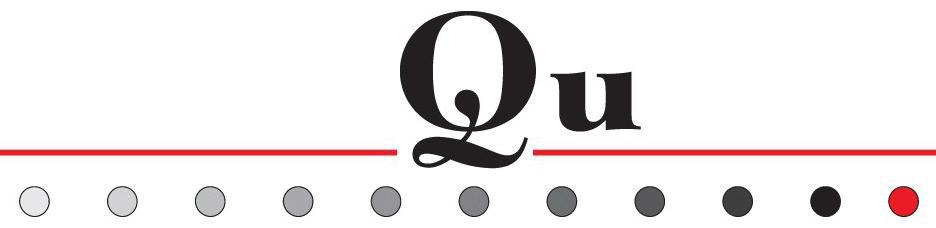
QU
Reviewed by CopyMark Law Group
- Filing date
- Status date
- Registration date
- —
- Examiner
- TAYLOR, DAVID T
- Law office
- TMO LAW OFFICE 112 - EXAMINING ATTORNEY ASSIGNED
What this means
These status codes mean the trademark application is abandoned and no longer pending. Common reasons include missing an Office Action response (600), filing without a valid basis (602), express abandonment by the applicant (604), or failure to respond to an examiner's inquiry (618). Revival may be possible in limited circumstances. If abandonment was unintentional, consult counsel about a petition to revive. Otherwise file a new application if protection is still needed.
Need help with QU?
If you own this trademark, we can monitor new filings and help with USPTO deadlines. If you do not, we can file a new U.S. application.
Owner
Goods and services
| Class | Description | Status | First use |
|---|---|---|---|
| 016 | Graphic art reproductions; Graphic prints and representations; Paper for use in the graphic arts industry; Papers for use in the graphic arts industry; Pressure sensitive graphics for application to automobiles; Printed visuals in the nature of information graphics consisting of Qu logo; Stencils and patterns, being of paper and plastic, for the transferring of graphic designs to pumpkins, mini-pumpkins, gourds, and other fruits and vegetables; Announcement cards; Baseball cards; Blank cards; Blank note cards; Blank paper tapes and cards for the recording of computer programs; Business card paper; Business cards; Card files; Cards bearing universal greetings; Cards not magnetically coded for use in business transactions; Cards, namely, business cards; Christmas cards; Correspondence cards; Credit cards without magnetic coding; Debit cards without magnetic coding; Desktop business card holders; Desktop revolving rotary card files; File cards; Filing cards; Flash cards; Gift cards; Greeting cards; Greeting cards having a Christian message; Greetings cards and postcards; Holders specially adapted for holding greeting cards; Holiday cards; Index cards; Invitation cards; Medical identification cards, not magnetically encoded; Motivational cards; Musical greeting cards; Non-magnetically encoded fidelity cards; Non-magnetically encoded prepaid purchase cards for allowing users to transfer financial value on-line via retail computer networks; Note cards; Note cards that unfold to act as worksheets for daily/monthly planners, organizers, calendars, to do lists that re-fold to make a credit card sized item that fits neatly in your wallet or pocket; Occasion cards; Packaging, namely, blister cards; Paper boxes for storing greeting cards; Perforated cards for jacquard looms; Place cards; Plastic baseball card holders; Post cards; Postcards and greeting cards; Pre-paid telephone calling cards, not magnetically encoded; Printed greeting cards with electronic information stored therein; Printed informational cards in the field of sales, manufacturing, importing and exporting; Printed mail response cards relating to all inquires about other businesses; Printed sports and tournament schedule cards in credit format with space provided for recording results; Record cards; Score cards; Score-cards; Scratch cards; Social note cards; Sports trading cards; Tags for index cards; Tarot cards; Telephone calling cards, not magnetically encoded; Trading card discs of paper or cardboard; Trading card milk bottle caps; Trading cards; Trivia cards; Visiting cards; Banners of paper; Paper banners; Table cloths of paper | ACTIVE | Jan 1, 2008 |
Related trademarks
CopyMark links this record to cited §2(d) serials, the owner's other marks, Nice classes, similar mark names, and recently changed USPTO applications.
Prosecution history
| Date | Code | Event | What it means |
|---|---|---|---|
| Mar 25, 2010 | MAB2 | ABANDONMENT NOTICE MAILED - FAILURE TO RESPOND | The trademark application was abandoned because a required response or document was not filed by the deadline — usually a missed Office Action response. The application is dead unless a petition to revive is granted within a limited time. |
| Mar 25, 2010 | ABN2 | ABANDONMENT - FAILURE TO RESPOND OR LATE RESPONSE | The trademark application was abandoned because a required response or document was not filed by the deadline — usually a missed Office Action response. The application is dead unless a petition to revive is granted within a limited time. |
| Aug 17, 2009 | GNRN | NOTIFICATION OF NON-FINAL ACTION E-MAILED | A non-final Office Action means the USPTO examining attorney has raised at least one issue with your trademark application but has not made a final decision. You usually have three months to respond with arguments, amendments, or evidence. Missing the deadline can abandon the application. |
| Aug 17, 2009 | GNRT | NON-FINAL ACTION E-MAILED | A non-final Office Action means the USPTO examining attorney has raised at least one issue with your trademark application but has not made a final decision. You usually have three months to respond with arguments, amendments, or evidence. Missing the deadline can abandon the application. |
| Aug 17, 2009 | CNRT | SU - NON-FINAL ACTION - WRITTEN | A non-final Office Action means the USPTO examining attorney has raised at least one issue with your trademark application but has not made a final decision. You usually have three months to respond with arguments, amendments, or evidence. Missing the deadline can abandon the application. |
| Jul 20, 2009 | SUPC | STATEMENT OF USE PROCESSING COMPLETE | — |
| Jul 20, 2009 | AITU | CASE ASSIGNED TO INTENT TO USE PARALEGAL | — |
| Jun 25, 2009 | IUAF | USE AMENDMENT FILED | — |
| Jun 25, 2009 | EISU | TEAS STATEMENT OF USE RECEIVED | The applicant filed a Statement of Use with specimens showing the mark in actual commerce. The USPTO will review the filing for compliance. If accepted, the mark can proceed to registration; if deficient, the USPTO may issue a requirement or office action. |
| Jun 23, 2009 | NOAM | NOA MAILED - SOU REQUIRED FROM APPLICANT | A Notice of Allowance means your intent-to-use application cleared examination and opposition but is not registered yet. You must file a Statement of Use showing the mark in commerce, or request an extension, before the deadline — usually six months from the notice date. |
| Mar 31, 2009 | PUBO | PUBLISHED FOR OPPOSITION | Your mark was published in the USPTO Official Gazette for a 30-day opposition window. During that period, third parties who believe they would be harmed can file an opposition. If no opposition is filed, prosecution usually continues toward registration or a Notice of Allowance. |
| Mar 11, 2009 | NPUB | NOTICE OF PUBLICATION | — |
| Feb 24, 2009 | PREV | LAW OFFICE PUBLICATION REVIEW COMPLETED | — |
| Feb 20, 2009 | CNSA | APPROVED FOR PUB - PRINCIPAL REGISTER | — |
| Feb 20, 2009 | XAEC | EXAMINER'S AMENDMENT ENTERED | — |
| Feb 20, 2009 | GNEN | NOTIFICATION OF EXAMINERS AMENDMENT E-MAILED | — |
| Feb 20, 2009 | GNEA | EXAMINERS AMENDMENT E-MAILED | — |
| Feb 20, 2009 | CNEA | EXAMINERS AMENDMENT -WRITTEN | — |
| Aug 19, 2008 | DMCC | DATA MODIFICATION COMPLETED | — |
| Aug 19, 2008 | ALIE | ASSIGNED TO LIE | — |
| Aug 18, 2008 | GNRN | NOTIFICATION OF NON-FINAL ACTION E-MAILED | A non-final Office Action means the USPTO examining attorney has raised at least one issue with your trademark application but has not made a final decision. You usually have three months to respond with arguments, amendments, or evidence. Missing the deadline can abandon the application. |
| Aug 18, 2008 | GNRT | NON-FINAL ACTION E-MAILED | A non-final Office Action means the USPTO examining attorney has raised at least one issue with your trademark application but has not made a final decision. You usually have three months to respond with arguments, amendments, or evidence. Missing the deadline can abandon the application. |
| Aug 18, 2008 | CNRT | NON-FINAL ACTION WRITTEN | A non-final Office Action means the USPTO examining attorney has raised at least one issue with your trademark application but has not made a final decision. You usually have three months to respond with arguments, amendments, or evidence. Missing the deadline can abandon the application. |
| Aug 18, 2008 | XAEC | EXAMINER'S AMENDMENT ENTERED | — |
| Aug 18, 2008 | GNEN | NOTIFICATION OF EXAMINERS AMENDMENT E-MAILED | — |
| Aug 18, 2008 | GNEA | EXAMINERS AMENDMENT E-MAILED | — |
| Aug 18, 2008 | CNEA | EXAMINERS AMENDMENT -WRITTEN | — |
| Jul 3, 2008 | TEME | TEAS/EMAIL CORRESPONDENCE ENTERED | — |
| Jul 3, 2008 | CRFA | CORRESPONDENCE RECEIVED IN LAW OFFICE | — |
| Jul 3, 2008 | TROA | TEAS RESPONSE TO OFFICE ACTION RECEIVED | This event means the applicant filed a response to a USPTO Office Action — typically arguments, amendments, or evidence addressing the examiner's objections. The USPTO will review the response and either allow the mark to proceed or issue another action. |
| Jun 6, 2008 | GNRN | NOTIFICATION OF NON-FINAL ACTION E-MAILED | A non-final Office Action means the USPTO examining attorney has raised at least one issue with your trademark application but has not made a final decision. You usually have three months to respond with arguments, amendments, or evidence. Missing the deadline can abandon the application. |
| Jun 6, 2008 | GNRT | NON-FINAL ACTION E-MAILED | A non-final Office Action means the USPTO examining attorney has raised at least one issue with your trademark application but has not made a final decision. You usually have three months to respond with arguments, amendments, or evidence. Missing the deadline can abandon the application. |
| Jun 6, 2008 | CNRT | NON-FINAL ACTION WRITTEN | A non-final Office Action means the USPTO examining attorney has raised at least one issue with your trademark application but has not made a final decision. You usually have three months to respond with arguments, amendments, or evidence. Missing the deadline can abandon the application. |
| Jun 5, 2008 | DOCK | ASSIGNED TO EXAMINER | — |
| Feb 29, 2008 | MDSC | NOTICE OF DESIGN SEARCH CODE MAILED | — |
| Feb 28, 2008 | NWAP | NEW APPLICATION ENTERED | — |