
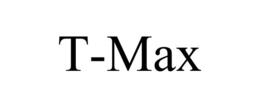
USPTO serial 77426212
T-MAX
Reviewed by CopyMark Law Group
- Filing date
- Status date
- Registration date
- —
- Examiner
- TIERNEY, MARGERY
- Law office
- TTAB
What this means
These status codes mean the trademark application is abandoned and no longer pending. Common reasons include missing an Office Action response (600), filing without a valid basis (602), express abandonment by the applicant (604), or failure to respond to an examiner's inquiry (618). Revival may be possible in limited circumstances. If abandonment was unintentional, consult counsel about a petition to revive. Otherwise file a new application if protection is still needed.
Need help with T-MAX?
If you own this trademark, we can monitor new filings and help with USPTO deadlines. If you do not, we can file a new U.S. application.
Owner
Attorney of record
The USPTO lists this attorney as the applicant's representative for correspondence on this application.
Michael D. Adams
MICHAEL D. ADAMS MAYER BROWN LLPP.O. BOX 2828CHICAGO, IL 60690-2828UNITED STATESGoods and services
| Class | Description | Status | First use |
|---|---|---|---|
| 009 | Mobile phones; computer application software for mobile phones; electric, electronic, optical, measuring, signaling, controlling and teaching apparatus and instruments, all for use with telecommunications, namely, apparatus for reproducing sound, images or data; blank magnetic and optical data carriers; data processors and computers, namely, microcomputers, minicomputers, computer central processors, computer monitors, computer keyboards, computer terminals, computer operating systems; computer programs and databases for use in operating telecommunications and business management systems and related instruction manuals sold as a unit; computer programs, namely, software used for the provision of online information services, network management software, computer proxy software for use with other software programs, computer programs for accessing a global computer network and interactive computer communications network; audio, video and data communications systems, namely, digital and analogue signal transmitters, receivers and converters, radio and telephone transmitters, receivers and computer stationary servers, wireless and cellular telephone sets and answering machines; telecommunication transmission, receiving and storage apparatus, namely, telecommunications cables, telephone transmitters; telecommunications transmitting sets, namely, electronic data transmitters, facsimile machines, and electronic mail apparatus for electronic exchange of data images and messages, namely, computer hardware; audio and video recordings in the field of telecommunications, information technology, safety; machine readable, magnetically encoded cards, namely, telephone calling cards, smart cards containing programming used to store personal identification information; data processors and electronic card readers, word processors, magnetic coded card readers, magnetic coded cards containing programming used to store personal identification information; electronic encryption units, blank magnetic data carriers and structural parts therefor; intercoms; telephones, telephone switches, telephone answering machines, telephone transmitters, telephone networks, namely, telephone wires, teleprinters, teletypewriters, and parts thereof, namely, caller identification boxes; radio telephones and structural parts therefor, namely, call boxes and systems, dialing assemblies, telephone units, audio operated relays, signaling devices, receiving devices, termination equipment, filters, protectors and automatic signaling and control equipment; telemeters; wireless and cellular telephones, pagers, paging equipment, portable computer peripheral devices; personal communications equipment, namely, personal digital assistants (PDA), calculators and related computer peripherals; satellite processors, audio and video recordings in the field of news, sports, entertainment, culture, business and finance, weather and travel | ABANDONED | — |
Related trademarks
CopyMark links this record to cited §2(d) serials, the owner's other marks, Nice classes, similar mark names, and recently changed USPTO applications.
Prosecution history
| Date | Code | Event | What it means |
|---|---|---|---|
| Jan 25, 2010 | MAB4 | ABANDONMENT NOTICE MAILED - INTER PARTES DECISION | — |
| Jan 23, 2010 | ABN4 | ABANDONMENT - AFTER INTER PARTES DECISION | — |
| Jan 23, 2010 | OP.T | OPPOSITION TERMINATED NO. 999999 | — |
| Jan 23, 2010 | OP.D | OPPOSITION DISMISSED NO. 999999 | — |
| Jul 13, 2009 | OP.I | OPPOSITION INSTITUTED NO. 999999 | — |
| Feb 12, 2009 | ETOF | EXTENSION OF TIME TO OPPOSE RECEIVED | — |
| Jan 13, 2009 | PUBO | PUBLISHED FOR OPPOSITION | Your mark was published in the USPTO Official Gazette for a 30-day opposition window. During that period, third parties who believe they would be harmed can file an opposition. If no opposition is filed, prosecution usually continues toward registration or a Notice of Allowance. |
| Dec 24, 2008 | NPUB | NOTICE OF PUBLICATION | — |
| Dec 9, 2008 | PREV | LAW OFFICE PUBLICATION REVIEW COMPLETED | — |
| Dec 9, 2008 | ALIE | ASSIGNED TO LIE | — |
| Dec 3, 2008 | CNSA | APPROVED FOR PUB - PRINCIPAL REGISTER | — |
| Nov 26, 2008 | TEME | TEAS/EMAIL CORRESPONDENCE ENTERED | — |
| Nov 26, 2008 | CRFA | CORRESPONDENCE RECEIVED IN LAW OFFICE | — |
| Nov 26, 2008 | TROA | TEAS RESPONSE TO OFFICE ACTION RECEIVED | This event means the applicant filed a response to a USPTO Office Action — typically arguments, amendments, or evidence addressing the examiner's objections. The USPTO will review the response and either allow the mark to proceed or issue another action. |
| Jun 25, 2008 | GNRN | NOTIFICATION OF NON-FINAL ACTION E-MAILED | A non-final Office Action means the USPTO examining attorney has raised at least one issue with your trademark application but has not made a final decision. You usually have three months to respond with arguments, amendments, or evidence. Missing the deadline can abandon the application. |
| Jun 25, 2008 | GNRT | NON-FINAL ACTION E-MAILED | A non-final Office Action means the USPTO examining attorney has raised at least one issue with your trademark application but has not made a final decision. You usually have three months to respond with arguments, amendments, or evidence. Missing the deadline can abandon the application. |
| Jun 25, 2008 | CNRT | NON-FINAL ACTION WRITTEN | A non-final Office Action means the USPTO examining attorney has raised at least one issue with your trademark application but has not made a final decision. You usually have three months to respond with arguments, amendments, or evidence. Missing the deadline can abandon the application. |
| Jun 24, 2008 | DOCK | ASSIGNED TO EXAMINER | — |
| Mar 26, 2008 | MPMK | NOTICE OF PSEUDO MARK MAILED | — |
| Mar 25, 2008 | NWAP | NEW APPLICATION ENTERED | — |