
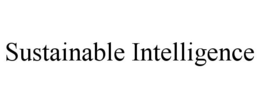
USPTO serial 77448210
SUSTAINABLE INTELLIGENCE
Reviewed by CopyMark Law Group
- Filing date
- Status date
- Registration date
- —
- Examiner
- DUBOIS, SUSAN L
- Law office
- TMO LAW OFFICE 111 - EXAMINING ATTORNEY ASSIGNED
What this means
These status codes mean the trademark application is abandoned and no longer pending. Common reasons include missing an Office Action response (600), filing without a valid basis (602), express abandonment by the applicant (604), or failure to respond to an examiner's inquiry (618). Revival may be possible in limited circumstances. If abandonment was unintentional, consult counsel about a petition to revive. Otherwise file a new application if protection is still needed.
Need help with SUSTAINABLE INTELLIGENCE?
If you own this trademark, we can monitor new filings and help with USPTO deadlines. If you do not, we can file a new U.S. application.
Owner
Attorney of record
The USPTO lists this attorney as the applicant's representative for correspondence on this application.
Donald R. Adair, Esq.
DONALD R. ADAIR, ESQ. ADAIR LAW FIRM, LLP290 LINDEN OAKS, SUITE 220ROCHESTER, NY 14625UNITED STATESGoods and services
| Class | Description | Status | First use |
|---|---|---|---|
| 035 | Business consultation in the field of operating metric services for business, government, and other organizations supported by research, training, multi-player games, and consultation services concerning assessment of the sustainability of an organization's activities, including on economics, environmental, and social impacts. The Sustainable IntelligenceSM services are a type of business consulting services. They are designed for business, not-for-profit, governmental, and other organizations to give them the ability to analyze the overall results and effects of their activities (not just the financial). By allowing users to analyze the overall results for their organizations on all three dimensions of sustainability (economic, environmental, and social), the Sustainable IntelligenceSM services are expected to become a very powerful discipline for achieving long term sustainability for those organizations. Sustainable IntelligenceSM services include a browser based service ("SaaS" -- Software as a Service) that gives the user the ability to combine financial and sustainability intelligence in an integrated application. The Sustainable IntelligenceSM services provide "metric services" so that users will be able to measure (a) the potential effects of an organization's decisions under consideration, (b) the actual results of its decisions and activities, and (c) the progress being made in achieving its goals. The economic metrics will ordinarily be provided by the organization's existing financial reporting systems. The environmental metrics to be used in the system will ordinarily depend on the specific environmental issues faced by the organization based on its activities, with existing EPA and other standards providing the likely measurements against which the organization's activities will be analyzed in the system. The social metrics will ordinarily depend on the various social factors that affect each individual organization's likelihood of success, as recognized by the organization; and the specific measurements of those factors will vary. For all three dimensions (financial, environmental, and social), the system has the ability to allow the user to place its own chosen weight on the factors being measured, so that it can produce an overall sustainability index for itself. The Sustainable IntelligenceSM services also include research, training, multi-player games, and consultation services, so that each user of the software system will be able to make continuous improvement in the way it uses the software to produce information useful to it. The Sustainable IntelligenceSM services are intended for internal use by organizations. They are not intended to assist the actual conduct or operation of a business in any particular industry. Thus, for example, the services are not intended to assist real estate brokerage or real estate consultation services as such, or to provide site selection, development, or other services in the real estate field. The services can also be applied to implement and manage special strategic projects, such as global warming and carbon foot print risk mitigation, casualty and health insurance cost reduction, and accountability for government stimulus funding | ACTIVE | — |
Related trademarks
CopyMark links this record to cited §2(d) serials, the owner's other marks, Nice classes, similar mark names, and recently changed USPTO applications.
Prosecution history
| Date | Code | Event | What it means |
|---|---|---|---|
| Jan 11, 2010 | MAB2 | ABANDONMENT NOTICE MAILED - FAILURE TO RESPOND | The trademark application was abandoned because a required response or document was not filed by the deadline — usually a missed Office Action response. The application is dead unless a petition to revive is granted within a limited time. |
| Jan 11, 2010 | ABN2 | ABANDONMENT - FAILURE TO RESPOND OR LATE RESPONSE | The trademark application was abandoned because a required response or document was not filed by the deadline — usually a missed Office Action response. The application is dead unless a petition to revive is granted within a limited time. |
| Jun 1, 2009 | GNRN | NOTIFICATION OF NON-FINAL ACTION E-MAILED | A non-final Office Action means the USPTO examining attorney has raised at least one issue with your trademark application but has not made a final decision. You usually have three months to respond with arguments, amendments, or evidence. Missing the deadline can abandon the application. |
| Jun 1, 2009 | GNRT | NON-FINAL ACTION E-MAILED | A non-final Office Action means the USPTO examining attorney has raised at least one issue with your trademark application but has not made a final decision. You usually have three months to respond with arguments, amendments, or evidence. Missing the deadline can abandon the application. |
| Jun 1, 2009 | CNRT | NON-FINAL ACTION WRITTEN | A non-final Office Action means the USPTO examining attorney has raised at least one issue with your trademark application but has not made a final decision. You usually have three months to respond with arguments, amendments, or evidence. Missing the deadline can abandon the application. |
| May 18, 2009 | TEME | TEAS/EMAIL CORRESPONDENCE ENTERED | — |
| May 18, 2009 | CRFA | CORRESPONDENCE RECEIVED IN LAW OFFICE | — |
| May 18, 2009 | TROA | TEAS RESPONSE TO OFFICE ACTION RECEIVED | This event means the applicant filed a response to a USPTO Office Action — typically arguments, amendments, or evidence addressing the examiner's objections. The USPTO will review the response and either allow the mark to proceed or issue another action. |
| May 18, 2009 | PETG | PETITION TO REVIVE-GRANTED | — |
| May 18, 2009 | PROA | TEAS PETITION TO REVIVE RECEIVED | — |
| Mar 18, 2009 | MAB2 | ABANDONMENT NOTICE MAILED - FAILURE TO RESPOND | The trademark application was abandoned because a required response or document was not filed by the deadline — usually a missed Office Action response. The application is dead unless a petition to revive is granted within a limited time. |
| Mar 18, 2009 | ABN2 | ABANDONMENT - FAILURE TO RESPOND OR LATE RESPONSE | The trademark application was abandoned because a required response or document was not filed by the deadline — usually a missed Office Action response. The application is dead unless a petition to revive is granted within a limited time. |
| Jul 29, 2008 | GNRN | NOTIFICATION OF NON-FINAL ACTION E-MAILED | A non-final Office Action means the USPTO examining attorney has raised at least one issue with your trademark application but has not made a final decision. You usually have three months to respond with arguments, amendments, or evidence. Missing the deadline can abandon the application. |
| Jul 29, 2008 | GNRT | NON-FINAL ACTION E-MAILED | A non-final Office Action means the USPTO examining attorney has raised at least one issue with your trademark application but has not made a final decision. You usually have three months to respond with arguments, amendments, or evidence. Missing the deadline can abandon the application. |
| Jul 29, 2008 | CNRT | NON-FINAL ACTION WRITTEN | A non-final Office Action means the USPTO examining attorney has raised at least one issue with your trademark application but has not made a final decision. You usually have three months to respond with arguments, amendments, or evidence. Missing the deadline can abandon the application. |
| Jul 29, 2008 | DOCK | ASSIGNED TO EXAMINER | — |
| Apr 18, 2008 | NWAP | NEW APPLICATION ENTERED | — |