
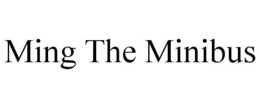
USPTO serial 77495839
MING THE MINIBUS
Reviewed by CopyMark Law Group
- Filing date
- Status date
- Registration date
- —
- Examiner
- CALLAGHAN, BRIAN P
- Law office
- TMEG LAW OFFICE 108 - EXAMINING ATTORNEY ASSIGNED
What this means
These status codes mean the trademark application is abandoned and no longer pending. Common reasons include missing an Office Action response (600), filing without a valid basis (602), express abandonment by the applicant (604), or failure to respond to an examiner's inquiry (618). Revival may be possible in limited circumstances. If abandonment was unintentional, consult counsel about a petition to revive. Otherwise file a new application if protection is still needed.
Need help with MING THE MINIBUS?
If you own this trademark, we can monitor new filings and help with USPTO deadlines. If you do not, we can file a new U.S. application.
Owner
Goods and services
| Class | Description | Status | First use |
|---|---|---|---|
| 028 | Baby multiple activity toys; Bath toys; Bathtub toys; Battery operated action toys; Bendable toys; Caps for toy pistols; Cases for toy structures; Cases for toy vehicles; Children's activity tables containing manipulative toys which convert to easels; Children's multiple activity toys; Children's multiple activity toys sold as a unit with printed books; Children's wire construction and art activity toys; Clockwork toys; Clockwork toys; Collectable toy figures; Construction toys; Crib toys; Disc toss toys; Dog toys; Drawing toys; Educational toy for the purpose of the demonstration of alternative energy sources; Educational toys for teaching math principles to children, namely, manipulative blocks for displaying patterns and groupings; Electric action toys; Electric educational toy used to demonstrate alternative energy sources; Electric toy train transformers; Electronic action toys; Electronic learning toys; Electronic toy building blocks that light up as a night light; Electronic toy vehicles; Electronically operated toy motor vehicles; Fantasy character toys; Flying saucers; Gift baskets containing plush toys; Hand-powered non-mechanical flying toy; Infant action crib toys; Infant development toys; Infant toys; Inflatable bath toys; Inflatable ride-on toys; Inflatable thin rubber toys; Inflatable toys; Inflatable toys showing decorative pictures; Lever action toys; Mechanical action toys; Mechanical toys; Miniature toy helmets; Model toy steam engines; Model toy steam operated traction engines; Modeled plastic toy figurines; Molded toy figures; Music box toys; Musical toys; Non-electronic toy vehicles; Non-riding transportation toys; Novelty toy item in the nature of a dispenser of stream material; Party favors in the nature of small toys; Pet toys; Pet toys containing catnip; Pet toys made of rope; Plastic character toys; Plastic toy hoops; Play mats containing infant toys; Play mats for use with toy vehicles; Plush toys; Pop up toys; Positionable printed toy figures for use in games; Positionable printed toy figures for use in puzzles; Positionable three dimensional toys for use in games; Positionable toy figures; Positionable two dimensional toys for use in games; Printed positionable toys for use in children's board games; Printing toys; Pull toys; Punching toys; Push toys; Radio controlled toy vehicles; Radio transmitters for use with radio-controlled toys; Ride-on toys; Rubber character toys; Sand toys; Sandbox toys; Sketching toys; Soft sculpture plush toys; Soft sculpture toys; Squeezable squeaking toys; Squeeze toys; Stacking toys; Stuffed and plush toys; Stuffed toy animals; Stuffed toy bears; Stuffed toys; Talking electronic press-down toy; Talking toys; Tesselation toys; Tossing disc toys; Toy action figures; Toy action figures and accessories therefor; Toy airplanes; Toy and novelty face masks; Toy animals; Toy balloons; Toy banks; Toy boxes; Toy building blocks; Toy building blocks capable of interconnection; Toy building structures and toy vehicle tracks; Toy buildings and accessories therefor; Toy Christmas trees; Toy clocks and watches; Toy construction blocks; Toy construction sets; Toy figures | ACTIVE | — |
Related trademarks
CopyMark links this record to cited §2(d) serials, the owner's other marks, Nice classes, similar mark names, and recently changed USPTO applications.
Prosecution history
| Date | Code | Event | What it means |
|---|---|---|---|
| Apr 16, 2009 | MAB2 | ABANDONMENT NOTICE MAILED - FAILURE TO RESPOND | The trademark application was abandoned because a required response or document was not filed by the deadline — usually a missed Office Action response. The application is dead unless a petition to revive is granted within a limited time. |
| Apr 16, 2009 | ABN2 | ABANDONMENT - FAILURE TO RESPOND OR LATE RESPONSE | The trademark application was abandoned because a required response or document was not filed by the deadline — usually a missed Office Action response. The application is dead unless a petition to revive is granted within a limited time. |
| Sep 18, 2008 | GNRN | NOTIFICATION OF NON-FINAL ACTION E-MAILED | A non-final Office Action means the USPTO examining attorney has raised at least one issue with your trademark application but has not made a final decision. You usually have three months to respond with arguments, amendments, or evidence. Missing the deadline can abandon the application. |
| Sep 18, 2008 | GNRT | NON-FINAL ACTION E-MAILED | A non-final Office Action means the USPTO examining attorney has raised at least one issue with your trademark application but has not made a final decision. You usually have three months to respond with arguments, amendments, or evidence. Missing the deadline can abandon the application. |
| Sep 18, 2008 | CNRT | NON-FINAL ACTION WRITTEN | A non-final Office Action means the USPTO examining attorney has raised at least one issue with your trademark application but has not made a final decision. You usually have three months to respond with arguments, amendments, or evidence. Missing the deadline can abandon the application. |
| Sep 18, 2008 | DOCK | ASSIGNED TO EXAMINER | — |
| Jun 13, 2008 | NWAP | NEW APPLICATION ENTERED | — |