
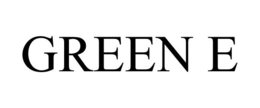
USPTO serial 77520870
GREEN E
Reviewed by CopyMark Law Group
- Filing date
- Status date
- Registration date
- —
- Examiner
- BUSH, KAREN K
- Law office
- TMEG LAW OFFICE 105 - EXAMINING ATTORNEY ASSIGNED
What this means
These status codes mean the trademark application is abandoned and no longer pending. Common reasons include missing an Office Action response (600), filing without a valid basis (602), express abandonment by the applicant (604), or failure to respond to an examiner's inquiry (618). Revival may be possible in limited circumstances. If abandonment was unintentional, consult counsel about a petition to revive. Otherwise file a new application if protection is still needed.
Need help with GREEN E?
If you own this trademark, we can monitor new filings and help with USPTO deadlines. If you do not, we can file a new U.S. application.
Owner
Goods and services
| Class | Description | Status | First use |
|---|---|---|---|
| 001 | Adhesive materials for the building industry and tiles; Chemical sealants used for buildings which penetrate through walls, floors and ceilings for fire prevention; Synthetic resins that are used to repair and fill holes and cracks, adhere to surrounding materials and seal surfaces for use in harsh environments; Unprocessed artificial resins as raw materials in the form of powders, liquids or pastes; Unprocessed plastic materials in powder, liquid or paste form; Waterproofing chemical compositions for articles of masonry, wood and other building and/or construction surfaces | ACTIVE | — |
| 002 | Water based fire retardant coatings for building construction materials | ACTIVE | — |
| 017 | Acoustical insulation for buildings; Acoustical panels for buildings; Building insulation; Caulking materials; Electrical insulating materials; Fiberglass fabrics for building insulation; Fiberglass insulation for buildings; Flame retardant paper used to insulate buildings; Foam insulation for use in building and construction; Foam sheeting for use as a building insulation; Foils of metal for building insulation; Glass fibers for use in the manufacture of building insulation; Glass wool for building insulation; Insulating materials; Insulating materials, namely, polyurethane foam and polyethylene foam; Insulating refractory materials; Jointing material for masonry; Jointing material for masonry and pavement; Jointing material for pavement; Material for thermal insulation and fire protection, namely, fire-resistant composite panels made of aramid, glass, carbon or ceramic fibers; Mineral wool for use as a building insulator; Non-metal weather strips for buildings; Packing and insulating material; Packing material for forming seals; Polymer material in the form of resilient, macroscopic bodies shaped into brick, block, or other preshaped forms, which bodies entrap hydrocarbons, chemical waste products, or bacteri a; Sealants for buildings; Sealing and insulating materials; Sheets of plastic fabric used as an insulating infiltration barrier in building construction; Soundproofing materials for buildings; Soundproofing materials for buildings and machinery; Tamping material made of elastomeric, polymeric and/or thermosetting copolymeric material in the form of pellets for use as filling material for synthetic grounds; Thermally bonded cotton batting used as a sound deadening material; Thermoplastic and polymeric materials, including polyphenyl sulfone sold in sheet form, rods, blocks and other stock shapes, for use by third party manufacturers; Water proofing membranes for foundations of buildings | ACTIVE | — |
| 019 | Adhesive mortar for building purposes; Aggregate material composed of MgO for a wide variety of applications; Board material made of polyethelene used as a wood substitute; Building material, namely, plastic webbing material used to reinforce bituminous waterproofing sheets; Building materials, namely, composite panels composed primarily of nonmetal materials; Building materials, namely, manufactured brick veneer for use on interior and exterior walls, floors and surfaces, patios, poolsides and driveways; Building materials, namely, non-metal countertops for further installation; Building materials, namely, plastic pipe supports; Building materials, namely, semi-worked woods; Building materials, namely, wall, underlayment, floor, ceiling, interior and exterior boards; Concrete building materials, namely, bricks, blocks, posts, slabs and panels; Concrete walls for building; Construction material, namely, fiberglass board; Construction material, namely, fiberglass faced panels; Construction material, namely, fiberglass faced sheathing; Construction material, namely, fiberglass panels; Construction material, namely, nonmetal exterior boards; Construction material, namely, nonmetal exterior panels; Construction materials, namely, a nonmetal sub-floor membrane for residential and commercial soundproofing use; Construction materials, namely, nonmetal toilet partitions; Construction materials, namely, underlays of agglomerated cork; Decorative glass; Fired refractory materials, not of metal; Floor patching materials, namely, concrete sealers; Glass blocks for building; Glass panels for building construction purposes; Glass powder for building purposes; Glass powder made from recycled glass waste for building purposes; Laminated flat glass; Logs; Marble; Mineral pellets for use in the building industry; Modified sheet glass; Non metallic transportable buildings; Non-metal building flashing; Non-metal building material, namely, fascia; Non-metal building materials, namely, soffits; Non-metal building products, namely, shutters, shingles, siding, and trim; Non-metal cladding for construction and building; Non-metal decorative moldings and decorative trim for use in building construction; Non-metal exterior building shutters; Non-metallic minerals for building or construction; Non-metallic reinforcements for concrete and wood building construction, namely, plates, rods and bars; Non-woven textiles made of synthetic fibres for use in the building industry; Nonmetal cable trays used in building construction; Nonmetal door parts for buildings, namely, adjusters for adjusting the height of a door, floor boards, columns, beams, paneling boards, sills, sleepers, backings for ceilings or walls, stiles, rails and ceiling boards; Nonmetallic construction materials, namely, drain bases and grates; Nonmetallic transportable constructions; Plaster; Polyethelene board material used as a wood substitute; Portable non-metal buildings; Prefabricated non-metal buildings; Raw and coated chip boards for the building industry, furniture and interior decorating; Refractory construction materials, not of metal; Reinforcing materials not of metal for building purposes; Rock materials used in the manufacture of flooring, roofing, countertops, walls, cladding and fireplaces; Safety glass for building purposes; Stages for disc jockeys composed of primarily non-metal materials; Stages for musical performance composed of primarily non-metal materials; Stone for building and construction; Synthetic flooring materials or wall-claddings; Transportable buildings of timber; Waterproof fabric used in building construction for protection against floods | ACTIVE | — |
Related trademarks
CopyMark links this record to cited §2(d) serials, the owner's other marks, Nice classes, similar mark names, and recently changed USPTO applications.
- Other trademarks owned by Southern Cross Technologies, Inc.
- Other trademarks in Class 001
- Other trademarks in Class 002
- Other trademarks in Class 017
- Other trademarks in Class 019
- Similar marks named GREEN E
- Prosecution event MAB2 explained
- Recently changed USPTO trademarks
- Recently filed trademarks
- Browse all trademark records
Prosecution history
| Date | Code | Event | What it means |
|---|---|---|---|
| Jun 17, 2009 | MAB2 | ABANDONMENT NOTICE MAILED - FAILURE TO RESPOND | The trademark application was abandoned because a required response or document was not filed by the deadline — usually a missed Office Action response. The application is dead unless a petition to revive is granted within a limited time. |
| Jun 17, 2009 | ABN2 | ABANDONMENT - FAILURE TO RESPOND OR LATE RESPONSE | The trademark application was abandoned because a required response or document was not filed by the deadline — usually a missed Office Action response. The application is dead unless a petition to revive is granted within a limited time. |
| Oct 27, 2008 | GNRN | NOTIFICATION OF NON-FINAL ACTION E-MAILED | A non-final Office Action means the USPTO examining attorney has raised at least one issue with your trademark application but has not made a final decision. You usually have three months to respond with arguments, amendments, or evidence. Missing the deadline can abandon the application. |
| Oct 27, 2008 | GNRT | NON-FINAL ACTION E-MAILED | A non-final Office Action means the USPTO examining attorney has raised at least one issue with your trademark application but has not made a final decision. You usually have three months to respond with arguments, amendments, or evidence. Missing the deadline can abandon the application. |
| Oct 27, 2008 | CNRT | NON-FINAL ACTION WRITTEN | A non-final Office Action means the USPTO examining attorney has raised at least one issue with your trademark application but has not made a final decision. You usually have three months to respond with arguments, amendments, or evidence. Missing the deadline can abandon the application. |
| Oct 21, 2008 | DOCK | ASSIGNED TO EXAMINER | — |
| Jul 16, 2008 | NWAP | NEW APPLICATION ENTERED | — |