
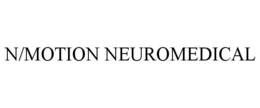
USPTO serial 77661721
N/MOTION NEUROMEDICAL
Reviewed by CopyMark Law Group
- Filing date
- Status date
- Registration date
- —
- Examiner
- KON, ELISSA GARBER
- Law office
- TMEG LAW OFFICE 106 - EXAMINING ATTORNEY ASSIGNED
What this means
These status codes mean the trademark application is abandoned and no longer pending. Common reasons include missing an Office Action response (600), filing without a valid basis (602), express abandonment by the applicant (604), or failure to respond to an examiner's inquiry (618). Revival may be possible in limited circumstances. If abandonment was unintentional, consult counsel about a petition to revive. Otherwise file a new application if protection is still needed.
Need help with N/MOTION NEUROMEDICAL?
If you own this trademark, we can monitor new filings and help with USPTO deadlines. If you do not, we can file a new U.S. application.
Owner
Quebec, CA
NEUROSTREAM TECHNOLOGIES GENERAL PARTNERSHIP
SAINT-AUGUSTIN-DE-DESMAURES, QUEBEC, CA
Other trademarks owned by NEUROSTREAM TECHNOLOGIES GENERAL PARTNERSHIP
NEUROSTREAM TECHNOLOGIES GENERAL PARTNERSHIP
SAINT-AUGUSTIN-DE-DESMAURES, QUEBEC, CA
Other trademarks owned by NEUROSTREAM TECHNOLOGIES GENERAL PARTNERSHIP
Attorney of record
The USPTO lists this attorney as the applicant's representative for correspondence on this application.
Julia K. Sutherland
JULIA K. SUTHERLAND SEYFARTH SHAW LLP131 S DEARBORN ST STE 2400CHICAGO, IL 60603-5863UNITED STATESGoods and services
| Class | Description | Status | First use |
|---|---|---|---|
| 009 | computer software, namely, software for the operation of implantable medical electronic devices for neurosensing, neurostimulation and neuromodulation for treating and improving the condition of persons suffering from physiological dysfunctions or impairments and for the analysis and processing of the resulting data | ACTIVE | — |
| 010 | implantable medical electronic devices for neurosensing, neurostimulation and neuromodulation for treating and improving the condition of persons suffering from physiological dysfunctions or impairments; biomedical devices, namely, nerve cuffs, nerve cuff electrodes, control systems comprised of control unit, electronics devices, antenna and batteries for regulating biophysical functions, modulating nerve activity and physical response, bioelectrical signal processors and neuromuscular stimulators for medical use; computer systems that are worn or carried directly by patients for stimulating nerves, recording nerve activity and modulating nerve activity for permanent use by patients; surgical tools for implanting medical electronic devices and biomedical devices | ACTIVE | — |
| 042 | technical consultation and medical research services in the field of neurosensing, neurostimulation and neuromodulation; medical and scientific services, namely, conducting clinical and preclinical research services | ACTIVE | — |
Related trademarks
CopyMark links this record to cited §2(d) serials, the owner's other marks, Nice classes, similar mark names, and recently changed USPTO applications.
- Other trademarks owned by Victhom Human Bionics Inc.
- Other trademarks owned by NEUROSTREAM TECHNOLOGIES GENERAL PARTNERSHIP
- Other trademarks owned by NEUROSTREAM TECHNOLOGIES GENERAL PARTNERSHIP
- Other trademarks in Class 009
- Other trademarks in Class 010
- Other trademarks in Class 042
- Similar marks named N/MOTION NEUROMEDICAL
- Prosecution event MAB2 explained
- Recently changed USPTO trademarks
- Recently filed trademarks
- Browse all trademark records
Prosecution history
| Date | Code | Event | What it means |
|---|---|---|---|
| May 31, 2011 | MAB2 | ABANDONMENT NOTICE MAILED - FAILURE TO RESPOND | The trademark application was abandoned because a required response or document was not filed by the deadline — usually a missed Office Action response. The application is dead unless a petition to revive is granted within a limited time. |
| May 31, 2011 | ABN2 | ABANDONMENT - FAILURE TO RESPOND OR LATE RESPONSE | The trademark application was abandoned because a required response or document was not filed by the deadline — usually a missed Office Action response. The application is dead unless a petition to revive is granted within a limited time. |
| Oct 29, 2010 | GNS2 | NOTIFICATION OF INQUIRY AS TO SUSPENSION E-MAILED | — |
| Oct 29, 2010 | GNSI | INQUIRY TO SUSPENSION E-MAILED | — |
| Oct 29, 2010 | CNSI | SUSPENSION INQUIRY WRITTEN | — |
| Oct 28, 2010 | RCCK | SUSPENSION CHECKED - TO ATTORNEY FOR ACTION | — |
| Apr 19, 2010 | DMCC | DATA MODIFICATION COMPLETED | — |
| Apr 19, 2010 | GNS3 | NOTIFICATION OF LETTER OF SUSPENSION E-MAILED | — |
| Apr 19, 2010 | GNSL | LETTER OF SUSPENSION E-MAILED | — |
| Apr 19, 2010 | CNSL | SUSPENSION LETTER WRITTEN | — |
| Apr 19, 2010 | XAEC | EXAMINER'S AMENDMENT ENTERED | — |
| Apr 15, 2010 | ALIE | ASSIGNED TO LIE | — |
| Apr 15, 2010 | GNEN | NOTIFICATION OF EXAMINERS AMENDMENT E-MAILED | — |
| Apr 15, 2010 | GNEA | EXAMINERS AMENDMENT E-MAILED | — |
| Apr 15, 2010 | CNEA | EXAMINERS AMENDMENT -WRITTEN | — |
| Mar 25, 2010 | TEME | TEAS/EMAIL CORRESPONDENCE ENTERED | — |
| Mar 25, 2010 | CRFA | CORRESPONDENCE RECEIVED IN LAW OFFICE | — |
| Mar 22, 2010 | TROA | TEAS RESPONSE TO OFFICE ACTION RECEIVED | This event means the applicant filed a response to a USPTO Office Action — typically arguments, amendments, or evidence addressing the examiner's objections. The USPTO will review the response and either allow the mark to proceed or issue another action. |
| Nov 11, 2009 | ASCK | ASSIGNMENT OF OWNERSHIP NOT UPDATED AUTOMATICALLY | — |
| Nov 4, 2009 | ASCK | ASSIGNMENT OF OWNERSHIP NOT UPDATED AUTOMATICALLY | — |
| Nov 2, 2009 | GNRN | NOTIFICATION OF NON-FINAL ACTION E-MAILED | A non-final Office Action means the USPTO examining attorney has raised at least one issue with your trademark application but has not made a final decision. You usually have three months to respond with arguments, amendments, or evidence. Missing the deadline can abandon the application. |
| Nov 2, 2009 | GNRT | NON-FINAL ACTION E-MAILED | A non-final Office Action means the USPTO examining attorney has raised at least one issue with your trademark application but has not made a final decision. You usually have three months to respond with arguments, amendments, or evidence. Missing the deadline can abandon the application. |
| Nov 2, 2009 | CNRT | NON-FINAL ACTION WRITTEN | A non-final Office Action means the USPTO examining attorney has raised at least one issue with your trademark application but has not made a final decision. You usually have three months to respond with arguments, amendments, or evidence. Missing the deadline can abandon the application. |
| Oct 30, 2009 | TEME | TEAS/EMAIL CORRESPONDENCE ENTERED | — |
| Oct 30, 2009 | CRFA | CORRESPONDENCE RECEIVED IN LAW OFFICE | — |
| Oct 26, 2009 | ALIE | ASSIGNED TO LIE | — |
| Oct 19, 2009 | TROA | TEAS RESPONSE TO OFFICE ACTION RECEIVED | This event means the applicant filed a response to a USPTO Office Action — typically arguments, amendments, or evidence addressing the examiner's objections. The USPTO will review the response and either allow the mark to proceed or issue another action. |
| Sep 2, 2009 | ASGN | AUTOMATIC UPDATE OF ASSIGNMENT OF OWNERSHIP | — |
| Aug 26, 2009 | ASGN | AUTOMATIC UPDATE OF ASSIGNMENT OF OWNERSHIP | — |
| Apr 17, 2009 | GNRN | NOTIFICATION OF NON-FINAL ACTION E-MAILED | A non-final Office Action means the USPTO examining attorney has raised at least one issue with your trademark application but has not made a final decision. You usually have three months to respond with arguments, amendments, or evidence. Missing the deadline can abandon the application. |
| Apr 17, 2009 | GNRT | NON-FINAL ACTION E-MAILED | A non-final Office Action means the USPTO examining attorney has raised at least one issue with your trademark application but has not made a final decision. You usually have three months to respond with arguments, amendments, or evidence. Missing the deadline can abandon the application. |
| Apr 17, 2009 | CNRT | NON-FINAL ACTION WRITTEN | A non-final Office Action means the USPTO examining attorney has raised at least one issue with your trademark application but has not made a final decision. You usually have three months to respond with arguments, amendments, or evidence. Missing the deadline can abandon the application. |
| Apr 17, 2009 | DOCK | ASSIGNED TO EXAMINER | — |
| Feb 5, 2009 | NWOS | NEW APPLICATION OFFICE SUPPLIED DATA ENTERED | — |
| Feb 5, 2009 | NWAP | NEW APPLICATION ENTERED | — |