
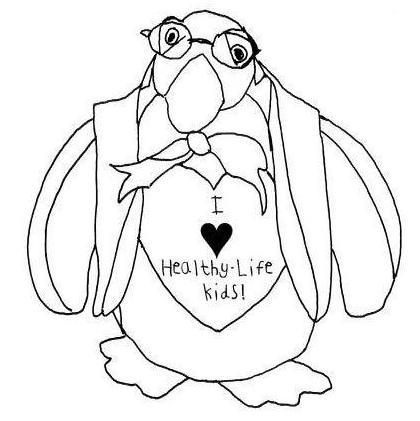
USPTO serial 77805640
I HEALTHY-LIFE KIDS
Reviewed by CopyMark Law Group
- Filing date
- Status date
- Registration date
- —
- Examiner
- WEBSTER, WILLIAM M
- Law office
- TTAB
What this means
These status codes mean the trademark application is abandoned and no longer pending. Common reasons include missing an Office Action response (600), filing without a valid basis (602), express abandonment by the applicant (604), or failure to respond to an examiner's inquiry (618). Revival may be possible in limited circumstances. If abandonment was unintentional, consult counsel about a petition to revive. Otherwise file a new application if protection is still needed.
Need help with I HEALTHY-LIFE KIDS?
If you own this trademark, we can monitor new filings and help with USPTO deadlines. If you do not, we can file a new U.S. application.
Owner
Easthampton, MA
Easthampton, MA
Attorney of record
The USPTO lists this attorney as the applicant's representative for correspondence on this application.
Michelle P. Ciotola
MICHELLE P CIOTOLA CANTOR COLBURN LLP20 CHURCH STFL 22HARTFORD, CT 06103-1221Goods and services
| Class | Description | Status | First use |
|---|---|---|---|
| 016 | A series of books and written articles in the field of basic health and nutrition principles; A series of books, written articles, handouts and worksheets in the field of basic health and nutrition principles; Address labels; Adhesive labels; Adhesive note paper; Printed advertising boards of paper or cardboard; Advertising signs of paper or cardboard; Albums for photographs; Albums for stickers; Appliqués in the form of decals; Ball point pens; Banners of paper; Bibs of paper; Blank or partially printed paper labels; Blank or partially printed postcards; Blank writing journals; Book marks; Book plates; Booklets in the field of basic health and nutrition for children and their parents; Books in the field of basic health and nutrition for children and their parents; Book-cover paper; Brochures about health and nutrition; Bumper stickers; Business cards; Calendars; Cardboard backing for binding books; Cardboard containers; Cardboard hang tags; Cardboard mailing tubes; Cardboard packaging; Cards bearing universal greetings; Catalogs in the field of health and nutrition education products; Charts in the field of basic health and nutrition for children and their parents; Children's activity books; Children's books; Children's interactive educational books; Children's storybooks; Circulars in the field of basic principles of good health and nutrition for children and their parents; Coloring books; Columns on the subject of basic principles of good health and nutrition for children and their parents; Commemorative stamp sheets; Cook books; Copybooks; Coupon books; Coupons; Covers of paper for flower pots; Crossword puzzles; Daily planners; Decals; Decorative paper centerpieces; Decorative pencil-top ornaments; Decorative stickers for helmets; Desk sets; Desk stands and holders for pens, pencils, and ink; Diaries; Drawing pads; Educational books featuring basic elementary school level principles of good health and nutrition; Educational publications, namely, educational learning cards; flash cards, activity cards, workbooks, textbooks, activity books, story books, puzzle books, printed puzzles, teacher guides, manuals, posters, and educational booklets in the field of basic principles of good health and nutrition; Educational publications, namely, books, hand-outs and workbooks in the field of basic elementary school level principles of good health and nutrition; Envelopes; Extensions and attachments for pencils; Flags and pennants of paper; Flash cards; Flip books; Folders; Fountain pens; Free-standing and wall-mounted paper and cardboard boxes for depositing a written message or prayer wishing a loved one well, for use in hospitals, elder care residences, schools, and institutions for children with special needs; General purpose plastic bags; Gift boxes; Gift cards; Graphic prints and representations; Greeting cards and postcards; Illustrations; Informational flyers featuring basic health and nutritional information; Informational letters concerning basic health and nutritional information; Leaflets about health and nutrition; Lunch bags made of textile; Magnetic boards and with character magnets sold as an integral part thereof; Motivational cards; Mounted and unmounted photographs; Mounted posters; Murals; Music sheets; Newsletters in the field of basic health an nutrition information for children and their parents; Note books; Note cards; Note pads; Note paper; Occasion cards; Packaging containers of paper; Packaging, namely, blister cards; Packing cardboard containers; Painting sets for children; Paper; Paper baby bibs; Paper badges; Paper bags; Paper bags and sacks; Paper bags for packaging; Paper banners; Paper board; Paper boxes for storing greeting cards; Paper display boxes; Paper emblems; Paper flags; Paper flower pot covers; Paper gift bags; Paper gift tags; Paper gift wrap; Paper hang tags; Paper identification tags; Paper illustration boards; Paper labels; Paper mache figurines; Paper mats; Paper name badges; Paper party bags; Paper party decorations; Paper patches for clothing; Paper pennants; Paper place mats; Paper pouches for packaging; Paper sheets for note taking; Paper stationery; Paper tags; Paper take-out cartons for food; Paperboard; Partially printed forms; Party goodie bags of paper or plastic; Party ornaments of paper; Paper patterns for making fantasy penguin characters and their associated wardrobe, namely, vests, bathrobes and slippers; Pen and pencil cases and boxes; Pen and pencil cases; Pencil boxes; Pencil cases; Pencils; Pennants of paper; Pens; Photo mats; Pictorial prints; Picture books; Picture postcards; Pictures; Place cards of paper or cardboard; Place cards; Place mats of paper; Plastic gift wrap; Plastic or paper bags for merchandising packaging; Plastic shopping bags; Postcards; Postcards and greeting cards; Postcards and picture postcards; Posters; Posters made of paper; Price tags; Printed award certificates; Printed awards; Printed calendars; Printed charts; Printed educational material, namely, teaching tiles; Printed guides for basic principles of health and nutrition for children and their families; Printed informational cards in the field of basic principles of health and nutrition for children and their parents; Printed instructional, educational, and teaching materials in the field of basic principles of health and nutrition for children and their parents; Printed lessons on basic principles of health and nutrition for children and their parents; Printed mail response cards relating to basic principles of health and nutrition for children and their parents; Printed materials, namely, press releases featuring fantasy characters and penguin characters; Printed paper labels; Printed paper signs; Printed patterns; Printed products, namely, menu boards; Printed products, namely, lists featuring important habits to achieve and maintain good health; Printed products, namely, catalogs of available merchandise in the field of basic principles of health and nutrition for children and their parents; Printed recipes sold as a component of food packaging; Printed survey answer sheets; Printed teaching materials in the field of basic principles of health and nutrition for children and their parents; Printed visuals in the nature of information graphics, and promotional materials; Rubber stamps; Ruled paper; Score charts for educational and entertainment games; Series of non-fiction books in the field of basic principles of health and nutrition for children and their parents; Sheet music; Sketch books; Sleeves for holding and protecting stamps; Stationery; Stationery boxes; Stationery writing paper and envelopes; Stencils; Stencils and patterns, being of paper and plastic, for the transferring of graphic designs to pumpkins, mini-pumpkins, gourds, and other fruits and vegetables; Stickers; Stickers and transfers; Stories in illustrated form; Story books; Table mats of paper; Three-ring binders; Trading card discs of paper or cardboard; Unmounted and mounted photographs; Unmounted posters; Wire-bound notebooks; Workbooks directed to basic principles of health and nutrition for children and their parents; Coupons and coupon books; Extensions and attachments for pencils and pens; Printed flash cards promoting health and good nutrition | ABANDONED | — |
Related trademarks
CopyMark links this record to cited §2(d) serials, the owner's other marks, Nice classes, similar mark names, and recently changed USPTO applications.
Prosecution history
| Date | Code | Event | What it means |
|---|---|---|---|
| Nov 28, 2011 | MAB4 | ABANDONMENT NOTICE MAILED - INTER PARTES DECISION | — |
| Nov 28, 2011 | ABN4 | ABANDONMENT - AFTER INTER PARTES DECISION | — |
| Nov 28, 2011 | OP.T | OPPOSITION TERMINATED NO. 999999 | — |
| Nov 28, 2011 | OP.S | OPPOSITION SUSTAINED NO. 999999 | — |
| Aug 15, 2011 | OP.I | OPPOSITION INSTITUTED NO. 999999 | — |
| Mar 14, 2011 | ETOF | EXTENSION OF TIME TO OPPOSE RECEIVED | — |
| Feb 15, 2011 | NPUB | OFFICIAL GAZETTE PUBLICATION CONFIRMATION E-MAILED | — |
| Feb 15, 2011 | PUBO | PUBLISHED FOR OPPOSITION | Your mark was published in the USPTO Official Gazette for a 30-day opposition window. During that period, third parties who believe they would be harmed can file an opposition. If no opposition is filed, prosecution usually continues toward registration or a Notice of Allowance. |
| Jan 13, 2011 | PREV | LAW OFFICE PUBLICATION REVIEW COMPLETED | — |
| Jan 12, 2011 | ALIE | ASSIGNED TO LIE | — |
| Dec 16, 2010 | CNSA | APPROVED FOR PUB - PRINCIPAL REGISTER | — |
| Dec 1, 2010 | TEME | TEAS/EMAIL CORRESPONDENCE ENTERED | — |
| Dec 1, 2010 | CRFA | CORRESPONDENCE RECEIVED IN LAW OFFICE | — |
| Dec 1, 2010 | TROA | TEAS RESPONSE TO OFFICE ACTION RECEIVED | This event means the applicant filed a response to a USPTO Office Action — typically arguments, amendments, or evidence addressing the examiner's objections. The USPTO will review the response and either allow the mark to proceed or issue another action. |
| Jun 1, 2010 | GNRN | NOTIFICATION OF NON-FINAL ACTION E-MAILED | A non-final Office Action means the USPTO examining attorney has raised at least one issue with your trademark application but has not made a final decision. You usually have three months to respond with arguments, amendments, or evidence. Missing the deadline can abandon the application. |
| Jun 1, 2010 | GNRT | NON-FINAL ACTION E-MAILED | A non-final Office Action means the USPTO examining attorney has raised at least one issue with your trademark application but has not made a final decision. You usually have three months to respond with arguments, amendments, or evidence. Missing the deadline can abandon the application. |
| Jun 1, 2010 | CNRT | NON-FINAL ACTION WRITTEN | A non-final Office Action means the USPTO examining attorney has raised at least one issue with your trademark application but has not made a final decision. You usually have three months to respond with arguments, amendments, or evidence. Missing the deadline can abandon the application. |
| May 21, 2010 | TEME | TEAS/EMAIL CORRESPONDENCE ENTERED | — |
| May 21, 2010 | CRFA | CORRESPONDENCE RECEIVED IN LAW OFFICE | — |
| May 21, 2010 | TROA | TEAS RESPONSE TO OFFICE ACTION RECEIVED | This event means the applicant filed a response to a USPTO Office Action — typically arguments, amendments, or evidence addressing the examiner's objections. The USPTO will review the response and either allow the mark to proceed or issue another action. |
| Nov 23, 2009 | GNRN | NOTIFICATION OF NON-FINAL ACTION E-MAILED | A non-final Office Action means the USPTO examining attorney has raised at least one issue with your trademark application but has not made a final decision. You usually have three months to respond with arguments, amendments, or evidence. Missing the deadline can abandon the application. |
| Nov 23, 2009 | GNRT | NON-FINAL ACTION E-MAILED | A non-final Office Action means the USPTO examining attorney has raised at least one issue with your trademark application but has not made a final decision. You usually have three months to respond with arguments, amendments, or evidence. Missing the deadline can abandon the application. |
| Nov 23, 2009 | CNRT | NON-FINAL ACTION WRITTEN | A non-final Office Action means the USPTO examining attorney has raised at least one issue with your trademark application but has not made a final decision. You usually have three months to respond with arguments, amendments, or evidence. Missing the deadline can abandon the application. |
| Nov 20, 2009 | DOCK | ASSIGNED TO EXAMINER | — |
| Aug 21, 2009 | MDSM | NOTICE OF DESIGN SEARCH CODE MAILED | — |
| Aug 20, 2009 | NWOS | NEW APPLICATION OFFICE SUPPLIED DATA ENTERED | — |
| Aug 20, 2009 | NWAP | NEW APPLICATION ENTERED | — |