
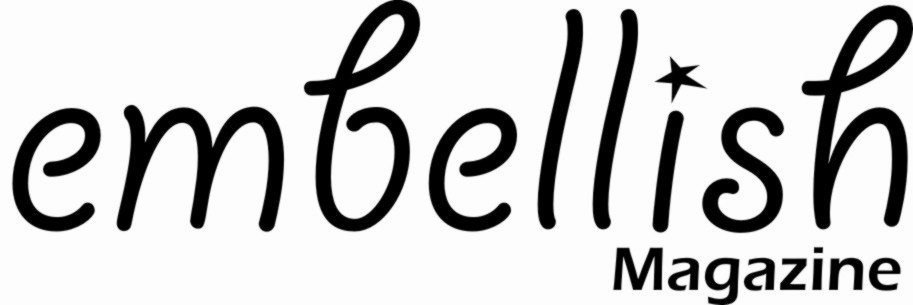
USPTO serial 77914866
EMBELLISH MAGAZINE
Reviewed by CopyMark Law Group
- Filing date
- Status date
- Registration date
- —
- Examiner
- DELANEY, ZHALEH SYBIL
- Law office
- TMO LAW OFFICE 116 - EXAMINING ATTORNEY ASSIGNED
What this means
These status codes mean the trademark application is abandoned and no longer pending. Common reasons include missing an Office Action response (600), filing without a valid basis (602), express abandonment by the applicant (604), or failure to respond to an examiner's inquiry (618). Revival may be possible in limited circumstances. If abandonment was unintentional, consult counsel about a petition to revive. Otherwise file a new application if protection is still needed.
Need help with EMBELLISH MAGAZINE?
If you own this trademark, we can monitor new filings and help with USPTO deadlines. If you do not, we can file a new U.S. application.
Owner
Lennox Head, NSW, AU
Goods and services
| Class | Description | Status | First use |
|---|---|---|---|
| 016 | Blank or partially printed paper labels; Blank or partially printed postcards; Color prints; Corrugated paper panels laminated with bleached white paper primarily for application of printed media for further use in signage applications; Digital printing paper; Dye-sublimation print paper; Embroidery design patterns; Gift sets consisting primarily of printed messages contained in a bottle, gift cards and also including stones and chocolates; Graphic prints and representations; Ink sheets for use in reproducing images in the printing industry; Laser print paper; Laser printing paper; Lithographic prints; Offset printing paper for pamphlets; Partially printed forms; Personalized written or printed messages in decorative miniature envelopes contained in a jar; Photographic prints; Pictorial prints; Plastic sheets for writing, printing, and marking; Polyester film for use as a paper substitute for dry toner xerographic imaging, namely, laser printing, color copier printing, dry toner printing, screen printing, and offset printing; Pouches specially adapted for holding printed business and personal record documents; Print engravings; Print letters and blocks; Print substrate, namely, transparent, opaque and translucent films for use with ink jet printers; Print substrate, namely, transparent, opaque, and translucent films for use with ink jet copiers and laser printers; Printed advertising boards of paper or cardboard; Printed art reproductions; Printed award certificates; Printed awards; Printed calendars; Printed certificates; Printed charts; Printed emblems; Printed forms; Printed graphs; Printed greeting cards with electronic information stored therein; Printed invitations; Printed lectures; Printed material in the nature of color samples; Printed material in the nature of decals for maintenance service and appointment reminders; Printed materials, namely, novels and series of fiction books and short stories featuring scenes and characters based on video games; Printed matter, namely, newspapers, photographs, magazines, books, printed periodicals, newsletters, and brochures all in the fields of securities, options and other financial instruments; Printed matter, namely, vinyl static cling sheets on which prayers are printed for affixation in windows and windshields; Printed novelty wine labels; Printed paper labels; Printed paper signs; Printed paper signs, namely, table tents; Printed patterns; Printed plans; Printed recipe cards; Printed seminar notes; Printed survey answer sheets; Printed tickets; Printed timetables; Printed vouchers; Printing blocks; Printing cliches; Printing fonts; Printing paper; Printing papers; Printing type; Printing types; Prints; Software programmes and data processing programmes in printed form; Supercalandered printing paper | ACTIVE | Dec 1, 2009 |
Related trademarks
CopyMark links this record to cited §2(d) serials, the owner's other marks, Nice classes, similar mark names, and recently changed USPTO applications.
Prosecution history
| Date | Code | Event | What it means |
|---|---|---|---|
| Nov 5, 2010 | MAB2 | ABANDONMENT NOTICE MAILED - FAILURE TO RESPOND | The trademark application was abandoned because a required response or document was not filed by the deadline — usually a missed Office Action response. The application is dead unless a petition to revive is granted within a limited time. |
| Nov 4, 2010 | ABN2 | ABANDONMENT - FAILURE TO RESPOND OR LATE RESPONSE | The trademark application was abandoned because a required response or document was not filed by the deadline — usually a missed Office Action response. The application is dead unless a petition to revive is granted within a limited time. |
| Apr 2, 2010 | GNRN | NOTIFICATION OF NON-FINAL ACTION E-MAILED | A non-final Office Action means the USPTO examining attorney has raised at least one issue with your trademark application but has not made a final decision. You usually have three months to respond with arguments, amendments, or evidence. Missing the deadline can abandon the application. |
| Apr 2, 2010 | GNRT | NON-FINAL ACTION E-MAILED | A non-final Office Action means the USPTO examining attorney has raised at least one issue with your trademark application but has not made a final decision. You usually have three months to respond with arguments, amendments, or evidence. Missing the deadline can abandon the application. |
| Apr 2, 2010 | CNRT | NON-FINAL ACTION WRITTEN | A non-final Office Action means the USPTO examining attorney has raised at least one issue with your trademark application but has not made a final decision. You usually have three months to respond with arguments, amendments, or evidence. Missing the deadline can abandon the application. |
| Mar 26, 2010 | DOCK | ASSIGNED TO EXAMINER | — |
| Jan 26, 2010 | MDSC | NOTICE OF DESIGN SEARCH CODE MAILED | — |
| Jan 25, 2010 | NWOS | NEW APPLICATION OFFICE SUPPLIED DATA ENTERED | — |
| Jan 22, 2010 | NWAP | NEW APPLICATION ENTERED | — |