
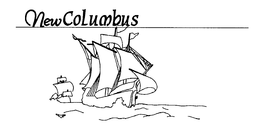
USPTO serial 78148997
NEW COLUMBUS
Reviewed by CopyMark Law Group
Status 601
- Filing date
- Status date
- Registration date
- —
- Examiner
- FAINT, MARY CATHERINE
- Law office
- TMEG LAW OFFICE 103 - DOCKET CLERK
What this means
This page summarizes the public USPTO record for this serial number, including owners, goods and services, and prosecution history.
Need help with NEW COLUMBUS?
If you own this trademark, we can monitor new filings and help with USPTO deadlines. If you do not, we can file a new U.S. application.
Current trademark owner
Monitor this mark, or talk with CopyMark about this registration.
Not the owner?
File a new U.S. trademark application, or speak with our attorneys.
Owner
Attorney of record
The USPTO lists this attorney as the applicant's representative for correspondence on this application.
Kevin S. Costanza
KEVIN S COSTANZA SEED IP LAW GROUP PLLCSTE 6300701 FIFTH AVESEATTLE, WA 98104-7092Goods and services
| Class | Description | Status | First use |
|---|---|---|---|
| 009 | telephones, telephone receivers, cordless telephones, intercoms, interphones, namely, telephones used in a small closed system of telephones; push button telephones; DTMF, Digital Tone Multifrequency, telephones; magnetically-encoded telephone calling cards; telephone exchange, namely, central unit; computer telephony software that enables telephone activities to be performed through a computer; telephone answering machines used for automated voice activated call forwarding and messaging; computer hardware and software used for telephone call-messaging and forwarding; and modems | ACTIVE | — |
| 038 | telecommunication services, namely, telephone communication services, cellular telephone communication, teletext communication, communication by computer terminal, reception and sending telegram and facsimile, radio and telephone paging services, voice mail services; rental and leasing of telephone apparatus; integrating services in the video and vocal data transmission, namely, video teleconferencing coupled with electronic transmission of data; telephonic services of exchange installed also on automatic recalls system, namely, private automatic exchange, PAX, private automatic branch exchange, PAXB, private manual exchange, PMX, private manual branch exchange, PMBX, and private branch exchange, PBX | ACTIVE | — |
Related trademarks
CopyMark links this record to cited §2(d) serials, the owner's other marks, Nice classes, similar mark names, and recently changed USPTO applications.
Prosecution history
| Date | Code | Event | What it means |
|---|---|---|---|
| Nov 3, 2004 | MAB1 | ABANDONMENT NOTICE MAILED - EXPRESS ABANDONMENT | — |
| Nov 3, 2004 | ABN1 | ABANDONMENT - EXPRESS MAILED | — |
| Nov 2, 2004 | EXAR | TEAS EXPRESS ABANDONMENT RECEIVED | — |
| Jul 1, 2004 | CFIT | CASE FILE IN TICRS | — |
| Jun 2, 2004 | EMRV | EMAIL RECEIVED | — |
| May 27, 2004 | GNRT | NON-FINAL ACTION E-MAILED | A non-final Office Action means the USPTO examining attorney has raised at least one issue with your trademark application but has not made a final decision. You usually have three months to respond with arguments, amendments, or evidence. Missing the deadline can abandon the application. |
| Apr 26, 2004 | CRFA | CORRESPONDENCE RECEIVED IN LAW OFFICE | — |
| Apr 26, 2004 | PAPER RECEIVED | — | |
| Jun 11, 2003 | GNSL | LETTER OF SUSPENSION E-MAILED | — |
| May 20, 2003 | CRFA | CORRESPONDENCE RECEIVED IN LAW OFFICE | — |
| May 20, 2003 | TROA | TEAS RESPONSE TO OFFICE ACTION RECEIVED | This event means the applicant filed a response to a USPTO Office Action — typically arguments, amendments, or evidence addressing the examiner's objections. The USPTO will review the response and either allow the mark to proceed or issue another action. |
| Feb 6, 2003 | TCCA | TEAS CHANGE OF CORRESPONDENCE RECEIVED | — |
| Jan 16, 2003 | GNRT | NON-FINAL ACTION E-MAILED | A non-final Office Action means the USPTO examining attorney has raised at least one issue with your trademark application but has not made a final decision. You usually have three months to respond with arguments, amendments, or evidence. Missing the deadline can abandon the application. |
| Jan 14, 2003 | DOCK | ASSIGNED TO EXAMINER | — |
| Dec 30, 2002 | DOCK | ASSIGNED TO EXAMINER | — |
| Dec 13, 2002 | DOCK | ASSIGNED TO EXAMINER | — |