
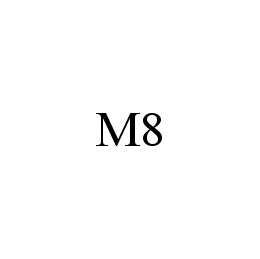
USPTO serial 78406374
M8
Reviewed by CopyMark Law Group
- Filing date
- Status date
- Registration date
- Aug 8, 2006
- Examiner
- DWYER, JOHN D
- Law office
- PUBLICATION AND ISSUE SECTION
What this means
Status 710 means the registration was cancelled because a required Section 8 declaration of continued use was not filed within the deadline (including any grace period). The federal registration is no longer active. Evaluate filing a new application if you still use the mark, or petition if cancellation was erroneous. Consult counsel on remaining common-law rights.
Need help with M8?
If you own this trademark, we can monitor new filings and help with USPTO deadlines. If you do not, we can file a new U.S. application.
Owner
Oberndorf/Neckar, DE
Oberndorf/Neckar, DE
Oberndorf/Neckar, DE
Attorney of record
The USPTO lists this attorney as the applicant's representative for correspondence on this application.
George W. Cooper
GEORGE W COOPER COOPER & KURZ170 EDEN RDSTAMFORD, CT 06907UNITED STATESGoods and services
| Class | Description | Status | First use |
|---|---|---|---|
| 008 | cutlery and side arms, namely, bayonets, fishing knives, hunting knives, side arms, namely swords, pocket knives, sport knives, folding knives, Chef's knives, kitchen knives, butcher knives, paring knives, knives of precious metal, utility knives | SECTION 8 - CANCELLED | — |
| 013 | firearms, namely, side arms, ammunition and projectiles, explosives, fireworks and covers for fire arms | SECTION 8 - CANCELLED | — |
Related trademarks
CopyMark links this record to cited §2(d) serials, the owner's other marks, Nice classes, similar mark names, and recently changed USPTO applications.
- Other trademarks owned by Heckler & Koch GmbH
- Other trademarks owned by Heckler & Koch GmbH
- Other trademarks owned by Heckler & Koch GmbH
- Other trademarks in Class 008
- Other trademarks in Class 013
- Similar marks named M8
- Recently changed USPTO trademarks
- Recently filed trademarks
- Browse all trademark records
Prosecution history
| Date | Code | Event | What it means |
|---|---|---|---|
| Mar 15, 2013 | C8.. | CANCELLED SEC. 8 (6-YR) | — |
| Aug 8, 2006 | R.PR | REGISTERED-PRINCIPAL REGISTER | Your trademark is registered on the Principal Register — the strongest form of federal trademark protection. You may use the ® symbol for the covered goods and services. Maintenance filings (Section 8 and renewals) are required to keep the registration alive. |
| May 16, 2006 | PUBO | PUBLISHED FOR OPPOSITION | Your mark was published in the USPTO Official Gazette for a 30-day opposition window. During that period, third parties who believe they would be harmed can file an opposition. If no opposition is filed, prosecution usually continues toward registration or a Notice of Allowance. |
| Apr 26, 2006 | NPUB | NOTICE OF PUBLICATION | — |
| Mar 21, 2006 | PREV | LAW OFFICE PUBLICATION REVIEW COMPLETED | — |
| Mar 17, 2006 | ALIE | ASSIGNED TO LIE | — |
| Mar 14, 2006 | CNSA | APPROVED FOR PUB - PRINCIPAL REGISTER | — |
| Mar 10, 2006 | TEME | TEAS/EMAIL CORRESPONDENCE ENTERED | — |
| Feb 24, 2006 | CRFA | CORRESPONDENCE RECEIVED IN LAW OFFICE | — |
| Feb 24, 2006 | TROA | TEAS RESPONSE TO OFFICE ACTION RECEIVED | This event means the applicant filed a response to a USPTO Office Action — typically arguments, amendments, or evidence addressing the examiner's objections. The USPTO will review the response and either allow the mark to proceed or issue another action. |
| Jan 13, 2006 | GNFR | FINAL REFUSAL E-MAILED | A final Office Action (final refusal) means the examining attorney is maintaining at least one refusal and your options are narrower. You can file a response addressing the refusal, appeal to the Trademark Trial and Appeal Board, or let the application abandon. |
| Jan 13, 2006 | CNFR | FINAL REFUSAL WRITTEN | A final Office Action (final refusal) means the examining attorney is maintaining at least one refusal and your options are narrower. You can file a response addressing the refusal, appeal to the Trademark Trial and Appeal Board, or let the application abandon. |
| Dec 15, 2005 | TEME | TEAS/EMAIL CORRESPONDENCE ENTERED | — |
| Dec 5, 2005 | CRFA | CORRESPONDENCE RECEIVED IN LAW OFFICE | — |
| Dec 5, 2005 | TROA | TEAS RESPONSE TO OFFICE ACTION RECEIVED | This event means the applicant filed a response to a USPTO Office Action — typically arguments, amendments, or evidence addressing the examiner's objections. The USPTO will review the response and either allow the mark to proceed or issue another action. |
| Aug 17, 2005 | FAXX | FAX SENT | — |
| Aug 14, 2005 | UNPR | UNRESPONSIVE/DUPLICATE PAPER RECEIVED | — |
| Aug 14, 2005 | FAXX | FAX RECEIVED | — |
| Jun 21, 2005 | GNRT | NON-FINAL ACTION E-MAILED | A non-final Office Action means the USPTO examining attorney has raised at least one issue with your trademark application but has not made a final decision. You usually have three months to respond with arguments, amendments, or evidence. Missing the deadline can abandon the application. |
| Jun 21, 2005 | CNRT | NON-FINAL ACTION WRITTEN | A non-final Office Action means the USPTO examining attorney has raised at least one issue with your trademark application but has not made a final decision. You usually have three months to respond with arguments, amendments, or evidence. Missing the deadline can abandon the application. |
| Jun 15, 2005 | ACEC | AMENDMENT FROM APPLICANT ENTERED | — |
| Jun 6, 2005 | CRFA | CORRESPONDENCE RECEIVED IN LAW OFFICE | — |
| Jun 6, 2005 | PAPER RECEIVED | — | |
| Jun 2, 2005 | ACEC | AMENDMENT FROM APPLICANT ENTERED | — |
| May 20, 2005 | CRFA | CORRESPONDENCE RECEIVED IN LAW OFFICE | — |
| May 20, 2005 | PAPER RECEIVED | — | |
| May 9, 2005 | FAXX | FAX SENT | — |
| Nov 26, 2004 | GNRT | NON-FINAL ACTION E-MAILED | A non-final Office Action means the USPTO examining attorney has raised at least one issue with your trademark application but has not made a final decision. You usually have three months to respond with arguments, amendments, or evidence. Missing the deadline can abandon the application. |
| Nov 26, 2004 | CNRT | NON-FINAL ACTION WRITTEN | A non-final Office Action means the USPTO examining attorney has raised at least one issue with your trademark application but has not made a final decision. You usually have three months to respond with arguments, amendments, or evidence. Missing the deadline can abandon the application. |
| Nov 17, 2004 | DOCK | ASSIGNED TO EXAMINER | — |
| Apr 30, 2004 | NWAP | NEW APPLICATION ENTERED | — |