
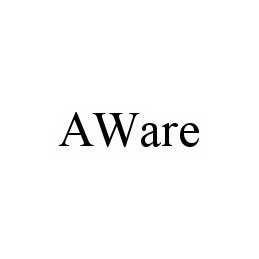
USPTO serial 78517338
AWARE
Reviewed by CopyMark Law Group
- Filing date
- Status date
- Registration date
- —
- Examiner
- ROSSMAN, MARY
- Law office
- PETITIONS OFFICE
What this means
These status codes mean the trademark application is abandoned and no longer pending. Common reasons include missing an Office Action response (600), filing without a valid basis (602), express abandonment by the applicant (604), or failure to respond to an examiner's inquiry (618). Revival may be possible in limited circumstances. If abandonment was unintentional, consult counsel about a petition to revive. Otherwise file a new application if protection is still needed.
Need help with AWARE?
If you own this trademark, we can monitor new filings and help with USPTO deadlines. If you do not, we can file a new U.S. application.
Owner
Attorney of record
The USPTO lists this attorney as the applicant's representative for correspondence on this application.
CHRISTINE M. KUTA
CHRISTINE M KUTA KUTA INTELLECTUAL PROPERTY LAW LLCPO BOX 380808CAMBRIDGE, MA 02238UNITED STATESGoods and services
| Class | Description | Status | First use |
|---|---|---|---|
| 009 | computing systems and electronic devices, not for medical purposes, comprised of hubs that contain micro-controllers, computer hardware and software, and electronically-readable pendants and cards that are to be worn on, in and near living beings' bodies, for remotely monitoring and providing physical status variables about the wearer to remote laptops, PDAs, PCs and centralized servers, such as the wearer's breathing, activity patterns, heart patterns, interbeat intervals, body temperature measurements, pulse rates, global position, activities such as sitting, walking and running, body movement acceleration, voice and sounds | ACTIVE | Oct 28, 2004 |
| 010 | computing systems and electronic devices for medical purposes comprised of hubs that contain micro-controllers, computer hardware and software, and electronically-readable pendants and cards that are to be worn on, in and near living beings' bodies, for remotely monitoring and providing physical status variables about the wearer to remote laptops, PDAs, PCs and centralized servers, such as the wearer's breathing, activity patterns, heart patterns, interbeat intervals, body temperature measurements, pulse rates, global position, activities such as sitting, walking and running, body movement and acceleration, voice and sounds | ACTIVE | Oct 28, 2004 |
Related trademarks
CopyMark links this record to cited §2(d) serials, the owner's other marks, Nice classes, similar mark names, and recently changed USPTO applications.
Prosecution history
| Date | Code | Event | What it means |
|---|---|---|---|
| Mar 24, 2010 | CORV | REVIEW OF CORRESPONDENCE COMPLETE | — |
| Jan 5, 2010 | APET | ASSIGNED TO PETITION STAFF | — |
| Dec 23, 2009 | PAPER RECEIVED | — | |
| Sep 2, 2008 | MAB2 | ABANDONMENT NOTICE MAILED - FAILURE TO RESPOND | The trademark application was abandoned because a required response or document was not filed by the deadline — usually a missed Office Action response. The application is dead unless a petition to revive is granted within a limited time. |
| Aug 29, 2008 | ABN2 | ABANDONMENT - FAILURE TO RESPOND OR LATE RESPONSE | The trademark application was abandoned because a required response or document was not filed by the deadline — usually a missed Office Action response. The application is dead unless a petition to revive is granted within a limited time. |
| Jan 24, 2008 | GNRN | NOTIFICATION OF NON-FINAL ACTION E-MAILED | A non-final Office Action means the USPTO examining attorney has raised at least one issue with your trademark application but has not made a final decision. You usually have three months to respond with arguments, amendments, or evidence. Missing the deadline can abandon the application. |
| Jan 24, 2008 | GNRT | NON-FINAL ACTION E-MAILED | A non-final Office Action means the USPTO examining attorney has raised at least one issue with your trademark application but has not made a final decision. You usually have three months to respond with arguments, amendments, or evidence. Missing the deadline can abandon the application. |
| Jan 24, 2008 | CNRT | NON-FINAL ACTION WRITTEN | A non-final Office Action means the USPTO examining attorney has raised at least one issue with your trademark application but has not made a final decision. You usually have three months to respond with arguments, amendments, or evidence. Missing the deadline can abandon the application. |
| Nov 29, 2007 | RCCK | SUSPENSION CHECKED - TO ATTORNEY FOR ACTION | — |
| May 29, 2007 | RCSC | REPORT COMPLETED SUSPENSION CHECK CASE STILL SUSPENDED | — |
| Jan 18, 2007 | CHAN | APPLICANT/CORRESPONDENCE CHANGES (NON-RESPONSIVE) ENTERED | — |
| Jan 18, 2007 | ALIE | ASSIGNED TO LIE | — |
| Dec 18, 2006 | PAPER RECEIVED | — | |
| Nov 27, 2006 | GNSL | LETTER OF SUSPENSION E-MAILED | — |
| Nov 27, 2006 | CNSL | SUSPENSION LETTER WRITTEN | — |
| Nov 8, 2006 | TEME | TEAS/EMAIL CORRESPONDENCE ENTERED | — |
| Nov 8, 2006 | CRFA | CORRESPONDENCE RECEIVED IN LAW OFFICE | — |
| Nov 8, 2006 | TROA | TEAS RESPONSE TO OFFICE ACTION RECEIVED | This event means the applicant filed a response to a USPTO Office Action — typically arguments, amendments, or evidence addressing the examiner's objections. The USPTO will review the response and either allow the mark to proceed or issue another action. |
| Aug 16, 2006 | TCCA | TEAS CHANGE OF CORRESPONDENCE RECEIVED | — |
| May 8, 2006 | CNRT | NON-FINAL ACTION MAILED | A non-final Office Action means the USPTO examining attorney has raised at least one issue with your trademark application but has not made a final decision. You usually have three months to respond with arguments, amendments, or evidence. Missing the deadline can abandon the application. |
| May 5, 2006 | CNRT | NON-FINAL ACTION WRITTEN | A non-final Office Action means the USPTO examining attorney has raised at least one issue with your trademark application but has not made a final decision. You usually have three months to respond with arguments, amendments, or evidence. Missing the deadline can abandon the application. |
| Mar 27, 2006 | ACEC | AMENDMENT FROM APPLICANT ENTERED | — |
| Mar 24, 2006 | PGRR | PETITION GRANTED - RESPONSE RECEIVED | — |
| Mar 7, 2006 | CRFA | CORRESPONDENCE RECEIVED IN LAW OFFICE | — |
| Mar 7, 2006 | PETR | PETITION TO REVIVE-RECEIVED | — |
| Mar 7, 2006 | PAPER RECEIVED | — | |
| Jan 24, 2006 | MAB2 | ABANDONMENT NOTICE MAILED - FAILURE TO RESPOND | The trademark application was abandoned because a required response or document was not filed by the deadline — usually a missed Office Action response. The application is dead unless a petition to revive is granted within a limited time. |
| Jan 23, 2006 | ABN2 | ABANDONMENT - FAILURE TO RESPOND OR LATE RESPONSE | The trademark application was abandoned because a required response or document was not filed by the deadline — usually a missed Office Action response. The application is dead unless a petition to revive is granted within a limited time. |
| Jun 27, 2005 | DOCK | ASSIGNED TO EXAMINER | — |
| Jun 27, 2005 | GNRT | NON-FINAL ACTION E-MAILED | A non-final Office Action means the USPTO examining attorney has raised at least one issue with your trademark application but has not made a final decision. You usually have three months to respond with arguments, amendments, or evidence. Missing the deadline can abandon the application. |
| Jun 27, 2005 | CNRT | NON-FINAL ACTION WRITTEN | A non-final Office Action means the USPTO examining attorney has raised at least one issue with your trademark application but has not made a final decision. You usually have three months to respond with arguments, amendments, or evidence. Missing the deadline can abandon the application. |
| Jun 21, 2005 | DOCK | ASSIGNED TO EXAMINER | — |
| Nov 22, 2004 | NWAP | NEW APPLICATION ENTERED | — |