
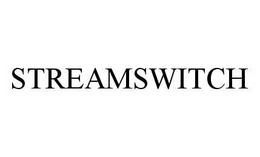
USPTO serial 78569044
STREAMSWITCH
Reviewed by CopyMark Law Group
Status 606
- Filing date
- Status date
- Registration date
- —
- Examiner
- BLOHM, LINDA
- Law office
- INTENT TO USE SECTION
What this means
This page summarizes the public USPTO record for this serial number, including owners, goods and services, and prosecution history.
Need help with STREAMSWITCH?
If you own this trademark, we can monitor new filings and help with USPTO deadlines. If you do not, we can file a new U.S. application.
Current trademark owner
Monitor this mark, or talk with CopyMark about this registration.
Not the owner?
File a new U.S. trademark application, or speak with our attorneys.
Owner
Attorney of record
The USPTO lists this attorney as the applicant's representative for correspondence on this application.
Connie L. Ellerbach, Esq.
Connie L. Ellerbach, Esq. FENWICK & WEST LLP801 CALIFORNIA STREETSILICON VALLEY CENTERMOUNTAIN VIEW, CA 94041Goods and services
| Class | Description | Status | First use |
|---|---|---|---|
| 009 | Computer hardware; computer peripherals; computers; computer operating systems; hand-held computers; mainframe-class computers; computer workstations; video displays; keyboards; computer monitors; servers; disc drives; computer data storage devices; integrated circuits; computer interface boards; modems; mouse pointing devices; mouse pads; printers and printer peripherals; printed circuit boards containing electrical components and sockets; computer processing units and computer memories; blank magnetic data carriers; audio cassette recorders; audio cassette players; compact disc players; compact disc recorders; blank computer recording discs; cash registers; calculators; computer chips; computer disk drives; computer discs; data processors; digital cameras; digital video recorders; electronic encryption units; facsimile machines; global positioning system transmitters and receivers; internet television hardware; microprocessors; microcomputers; minicomputers; motion picture cameras; optical scanners; oscilloscopes; pedometers; photocopying machines; personal digital assistants; photographic cameras; photographic projectors; slide projectors; radio pagers; radios, automatic vending machines; scanners; blank smart cards, encoded smart cards containing programming used to access computer networks, and programmable smart cards; smart card readers; telephones; telephone answering machines; television sets; television set top boxes; thermostats; video cameras; video cassette recorders; video monitors; video tape recorders; voice messaging systems comprised of computer hardware and software for use in operating voice mail and voice messaging; voting machines; web telephones; wireless data communications hardware; computer programs for testing compatibility of computer programs; computer programs for use in computer networking; computer programs for use in computer emulation; computer programs for use in electronic mail; computer programs for creating graphical interfaces; computer programs for use in database management; computer programs for document processing; computer programs for word processing; computer programs for preparing spreadsheets; computer programs for use in computer security; computer programs for use in the development of computer programs, programming languages, tool kits and compilers; computer programs for use in developing, compiling and executing other computer programs on computers, computer networks, and global communications networks; computer programs for use in navigating, browsing, transferring information, and distributing and viewing other computer programs on computers, computer networks and global communications networks; computer programs for recording, processing, receiving, reproducing, transmitting, modifying, compressing, decompressing, broadcasting, merging, and/or enhancing sound, video, images, graphics, and/or data; computer operating system programs; computer utility programs; computer programs for transmitting data and images for use with computer servers; computer telephony software; computer programs used in accessing databases; computer game programs; computer programs for the storage of data and information downloadable from global computer networks; and instructional manuals sold therewith; downloadable electronic publications in the nature of manuals, magazines and books in the fields of computing, computer networking, information technology and digital video and audio technology | ACTIVE | — |
Related trademarks
CopyMark links this record to cited §2(d) serials, the owner's other marks, Nice classes, similar mark names, and recently changed USPTO applications.
Prosecution history
| Date | Code | Event | What it means |
|---|---|---|---|
| Oct 27, 2008 | MAB6 | ABANDONMENT NOTICE MAILED - NO USE STATEMENT FILED | The intent-to-use application was abandoned because no acceptable Statement of Use (or valid extension) was filed before the Notice of Allowance deadline expired. The application is dead unless revived within a limited window. |
| Oct 27, 2008 | ABN6 | ABANDONMENT - NO USE STATEMENT FILED | The intent-to-use application was abandoned because no acceptable Statement of Use (or valid extension) was filed before the Notice of Allowance deadline expired. The application is dead unless revived within a limited window. |
| Feb 28, 2008 | EX2G | SOU EXTENSION 2 GRANTED | — |
| Feb 28, 2008 | EXT2 | SOU EXTENSION 2 FILED | — |
| Feb 28, 2008 | EEXT | SOU TEAS EXTENSION RECEIVED | The applicant requested more time to file a Statement of Use before the Notice of Allowance deadline. Each extension typically adds six months. A limited number of extensions are available for intent-to-use applications not yet in use. |
| Aug 23, 2007 | EX1G | SOU EXTENSION 1 GRANTED | — |
| Aug 23, 2007 | EXT1 | SOU EXTENSION 1 FILED | — |
| Aug 23, 2007 | EEXT | SOU TEAS EXTENSION RECEIVED | The applicant requested more time to file a Statement of Use before the Notice of Allowance deadline. Each extension typically adds six months. A limited number of extensions are available for intent-to-use applications not yet in use. |
| Mar 6, 2007 | NOAM | NOA MAILED - SOU REQUIRED FROM APPLICANT | A Notice of Allowance means your intent-to-use application cleared examination and opposition but is not registered yet. You must file a Statement of Use showing the mark in commerce, or request an extension, before the deadline — usually six months from the notice date. |
| Dec 12, 2006 | PUBO | PUBLISHED FOR OPPOSITION | Your mark was published in the USPTO Official Gazette for a 30-day opposition window. During that period, third parties who believe they would be harmed can file an opposition. If no opposition is filed, prosecution usually continues toward registration or a Notice of Allowance. |
| Nov 22, 2006 | NPUB | NOTICE OF PUBLICATION | — |
| Oct 17, 2006 | PREV | LAW OFFICE PUBLICATION REVIEW COMPLETED | — |
| Oct 16, 2006 | ALIE | ASSIGNED TO LIE | — |
| Oct 2, 2006 | ALIE | ASSIGNED TO LIE | — |
| Sep 25, 2006 | CNSA | APPROVED FOR PUB - PRINCIPAL REGISTER | — |
| Sep 25, 2006 | TEME | TEAS/EMAIL CORRESPONDENCE ENTERED | — |
| Sep 22, 2006 | CRFA | CORRESPONDENCE RECEIVED IN LAW OFFICE | — |
| Sep 22, 2006 | TROA | TEAS RESPONSE TO OFFICE ACTION RECEIVED | This event means the applicant filed a response to a USPTO Office Action — typically arguments, amendments, or evidence addressing the examiner's objections. The USPTO will review the response and either allow the mark to proceed or issue another action. |
| Apr 2, 2006 | GNFR | FINAL REFUSAL E-MAILED | A final Office Action (final refusal) means the examining attorney is maintaining at least one refusal and your options are narrower. You can file a response addressing the refusal, appeal to the Trademark Trial and Appeal Board, or let the application abandon. |
| Apr 2, 2006 | CNFR | FINAL REFUSAL WRITTEN | A final Office Action (final refusal) means the examining attorney is maintaining at least one refusal and your options are narrower. You can file a response addressing the refusal, appeal to the Trademark Trial and Appeal Board, or let the application abandon. |
| Mar 29, 2006 | TEME | TEAS/EMAIL CORRESPONDENCE ENTERED | — |
| Mar 14, 2006 | CRFA | CORRESPONDENCE RECEIVED IN LAW OFFICE | — |
| Mar 14, 2006 | TROA | TEAS RESPONSE TO OFFICE ACTION RECEIVED | This event means the applicant filed a response to a USPTO Office Action — typically arguments, amendments, or evidence addressing the examiner's objections. The USPTO will review the response and either allow the mark to proceed or issue another action. |
| Sep 14, 2005 | GNRT | NON-FINAL ACTION E-MAILED | A non-final Office Action means the USPTO examining attorney has raised at least one issue with your trademark application but has not made a final decision. You usually have three months to respond with arguments, amendments, or evidence. Missing the deadline can abandon the application. |
| Sep 14, 2005 | CNRT | NON-FINAL ACTION WRITTEN | A non-final Office Action means the USPTO examining attorney has raised at least one issue with your trademark application but has not made a final decision. You usually have three months to respond with arguments, amendments, or evidence. Missing the deadline can abandon the application. |
| Sep 13, 2005 | DOCK | ASSIGNED TO EXAMINER | — |
| Feb 28, 2005 | NWAP | NEW APPLICATION ENTERED | — |